Archives: Services

Solar Panel Cleaning and Nano Coating

Solar Panel Cleaning Services

Dirty panels reduce performance, energy yield, and financial return. Our professional cleaning service restores efficiency safely and effectively.

Benefits of Solar Panel Cleaning

  • Increased energy generation and ROI
  • Removal of performance‑reducing contaminants
  • Prevention of long‑term surface damage
  • Improved system lifespan
  • Maintained warranty compliance

Types of Dirt & Contamination Removed

  • Dust and airborne pollution
  • Bird droppings
  • Moss, algae, and lichen
  • Pollen and organic debris
  • Traffic film and industrial fallout
  • Salt deposits in coastal locations

We use non‑abrasive, purified water systems designed specifically for solar PV surfaces.

Nano‑Coating Protection for Solar Panels

Enhance long‑term cleanliness and efficiency with advanced hydrophobic nano‑coating technology.

Advantages of Nano‑Coating

  • Repels water, dirt, and contaminants
  • Reduces cleaning frequency and maintenance costs
  • Improves light transmission through glass
  • Helps maintain peak efficiency for longer
  • Extends overall panel lifespan

Supports long‑term ROI protection

solar panel cleaning services with nano-coating protection
cleaned solar panels with nano-coating

Suitable Commercial Building Types

OUR SERVICES ARE DESIGNED FOR:

  • Warehouses and distribution centres
  • Factories and manufacturing plants
  • Retail parks and shopping centres
  • Office buildings and business parks
  • Hospitals and healthcare facilities
  • Schools, colleges, and universities
  • Agricultural buildings and barns
  • Leisure centres and sports facilities
  • Data centres
  • Public sector buildings

Pricing Guide (Typical Commercial Ranges)

Prices vary by roof size, access, and system scale.

  • Commercial roof thermal survey: from £495
  • Drone solar PV thermal inspection: from £395
  • Solar panel cleaning: from £6–£12 per panel equivalent
  • Nano‑coating application: from £8–£15 per panel equivalent

Request a tailored quotation for accurate project pricing.

Case Study Example

Large Distribution Warehouse – Midlands, UK

  • 4,500 m² flat roof surveyed before 800 kW solar install
  • Thermal imaging revealed extensive trapped moisture in insulation
  • Targeted repairs completed before PV installation

Result: avoided six‑figure future panel removal costs and protected warranty compliance.

Solar Panel Cleaning Nano-Coating

Frequently Asked Questions

What is nano coating?

A microscopic protective layer that repels dirt and water.

How long does nano coating last?

Typically several years depending on environment and maintenance.

Why scan a roof before installing solar panels?

To identify hidden defects that could fail after installation and require costly panel removal.

Is thermal imaging non destructive?

Yes, surveys are completely non‑invasive and safe for occupied buildings.

How long does a survey take?

Most commercial roofs are completed within a few hours, depending on size.

Will this protect my solar warranty?

Yes, proving roof condition before installation helps safeguard guarantees.

How often should solar panels be inspected?

Typically annually, or after extreme weather events.

Advanced Thermal Imaging for Roof & Panel Inspections

Protect Your Solar Investment from the Ground Up with Advanced Thermal Imaging

Investing in solar power is a smart move for sustainability and long-term savings. But what about the foundation supporting your solar panels? A compromised roof can undermine your entire investment, leading to costly repairs and system downtime. That’s why we offer comprehensive thermal imaging services, ensuring your solar project is built on a solid foundation.

Common Roof Defects We Identify

  • Trapped moisture within flat roof insulation
  • Failed waterproof membranes
  • Delamination in built‑up roofing systems
  • Ponding water and poor drainage areas
  • Thermal bridging and insulation gaps
  • Mechanical damage and punctures
  • Degraded flashing and edge details
  • Early‑stage leaks invisible to the naked eye

Outcome: A clear, evidence‑based condition report allowing repairs to be completed before solar installation, protecting warranties and long‑term ROI.

Solar Panel Thermal Imaging Inspections (Drone‑Based)

Once installed, solar panels must operate efficiently to deliver expected financial returns. Our aerial thermal inspections quickly scan entire solar arrays with minimal disruption.

Defects We Detect in Solar PV Systems

  • Hot spots caused by cell damage or manufacturing faults
  • Micro‑cracks and broken cells
  • Faulty bypass diodes
  • String failures and disconnected modules
  • Soiling and shading losses
  • PID (Potential Induced Degradation)
  • Junction box overheating
  • Cable and connector faults
  • Inverter‑related thermal anomalies


Preventing Fire Risk with Thermal Imaging

Thermal imaging acts as an early-warning system for solar safety by detecting “hot spots”—localised areas of high resistance caused by cracked cells, faulty wiring, or failing bypass diodes.

Since these electrical defects generate significant heat before they ever become visible to the naked eye, thermography allows you to:

  • Prevent Arcing: Identify loose connections and failing junction boxes that could spark a fire.
  • Stop Thermal Runaway: Catch overheating cells before they melt the panel’s backsheet or surrounding roofing material.
  • Actionable Maintenance: Transition from reactive repairs to proactive prevention, ensuring the system stays within safe operating temperatures.

In short, thermal scanning transforms invisible electrical stress into a clear visual map, allowing you to neutralise fire hazards before they ignite.

7
8

STAGE-1

PRE-SOLAR INSTALLATION ROOF ASSESSMENT: UNVEILING HIDDEN ISSUES

“Imagine the cost and headache of removing your entire solar array for roof repairs! We help you avoid this”

Before a single solar panel is installed, we deploy our state-of-the-art, high-resolution thermal imaging drone. This advanced technology allows us to conduct a thorough visual and infrared (IR) inspection of your roof. We meticulously analyse the data to identify:

Compromised Roof Membranes:

Saturated areas and hidden weaknesses that could lead to future leaks.

Waterproofing Defects:

Early detection of potential water intrusion points, preventing costly damage.

Structural Integrity:

A comprehensive overview of your roof’s condition, ensuring it can handle the weight and installation process.

WHY DO WE USE THERMOGRAPHY:

Simply put, is shows us what the naked eye can’t see. During the daytime, any moisture that has penetrated the roof system will heat up. After sunset, the surrounding areas that are dry, will cool down quickly whilst the water will retain its heat and start to radiate. The method shows up clearly the areas of roof that are holding water to assist in leak tracking to the penetration points for general saturation analysis.

We always recommend follow up core samples are taken to confirm diagnosis.

STAGE-2

PHOTOGRAMMETRY WITH AREAS OF SATURATION MEASURED.

Standards & Compliance

All inspection reports are produced in accordance with:

  • IEC 62446 inspection and testing standards
  • Insurance and asset‑management reporting expectations

We have been CAA registered since 2015 with an unblemished flight safety record, ensuring safe, compliant aerial operations on commercial sites.

STAGE-3

POST-INSTALLATION INSPECTION: ENSURING QUALITY AND ACCOUNTABILITY

Following the solar panel installation, we conduct another thermal imaging inspection. This crucial step allows us to:

Identify Installation Damage:

Detect any damage caused to the roof during the installation process.

Identify Faulty Solar Cells:

Detect hot spots and failing cells that can lead to reduced energy production and string failures.

Provide Evidence for Conflict Resolution:

Our detailed report serves as an objective record, vital for resolving any disputes with installers.

ONGOING INSPECTIONS- REGULAR SOLAR PANEL PERFORMANCE ANALYSIS AND ROOF CONDITION: MAXIMISING EFFICIENCY

Following the solar panel installation, we conduct another thermal imaging inspection. This crucial step allows us to:

  • Identify Failed Solar Cells: Our detailed report serves as an objective record, vital for resolving any disputes with installers.
  • Monitor System Performance: Our detailed report serves as an objective record, vital for resolving any disputes with installers.

Our detailed thermal inspections and reporting are in accordance with IEC 62446-3 standards. It is suitable for comprehensive identification of critical anomalies on solar panels and cells.

Damaged Roof Post Installation

ANOMALY TYPES AND ANOMALY REVIEW

The efficient operation and longevity of solar energy systems require regular monitoring and maintenance. In this process, the detection of various anomalies that may occur in solar panels plays a critical role. Anomalies can reduce the efficiency of solar panels and lead to losses in energy production. MapperX is an advanced software that detects these anomalies using thermal and RGB photographs with the support of artificial intelligence.

Cell Anomaly:

Cell anomalies in solar panels cause inefficiency or failure. Thermal imaging detects temperature differences, highlighting performance issues.

Multi-Cell Anomaly:

Multiple cell anomalies are failures across several cells, often due to connection issues or defects. Thermal inspection reveals overheating, which can significantly reduce panel energy production.

Diode Problems:

Diodes in solar panels allow current flow in one direction. Thermal images show overheating when diodes fail, causing energy production losses by hindering panel efficiency.

Multi-Diode Problems:

Diodes in solar panels allow current flow in one direction. Thermal images show overheating when diodes fail, causing energy production losses by hindering panel efficiency.

Module Anomalies:

Module anomalies affect entire solar panel modules, often due to defects, assembly issues, or environmental factors. Thermal imaging reveals temperature differences between modules.

Multi-Cell Anomaly:

Multiple cell anomalies are failures across several cells, often due to connection issues or defects. Thermal inspection reveals overheating, which can significantly reduce panel energy production.

MAXIMISE RETURN ON INVESTMENT:

PROACTIVE MAINTENANCE ENSURES YOUR SOLAR PANELS OPERATE AT PEAK PERFORMANCE, MAXIMISING YOUR ENERGY SAVINGS.

WHY CHOOSE OUR THERMAL IMAGING SERVICES?

State-of-the-Art Technology:

We utilise high-resolution thermal imaging drones for accurate and detailed inspections.

Expert Analysis:

Our ITC Level 2 experienced surveyors interpret the data to provide clear and actionable reports.

Preventative Approach:

We help you avoid costly repairs and maximise the lifespan of your solar investment.

 Peace of Mind:

Gain confidence knowing your solar project is built on a solid foundation and performing at its best.

Frequently Asked Questions

Why scan a roof before installing solar panels?

To identify hidden defects that could fail after installation and require costly panel removal.

Is thermal imaging non destructive?

Yes, surveys are completely non‑invasive and safe for occupied buildings.

How long does a survey take?

Most commercial roofs are completed within a few hours, depending on size.

Do you use drones for every inspection?

Drones are used where safe and appropriate to maximise coverage and efficiency.

Are your pilots certified?

Yes, we are CAA registered with a perfect safety record since 2015.

What standard are solar inspections completed to?

IEC 62446 inspection and testing standards.

Can you find leaks that are not visible?

Yes, thermal imaging detects trapped moisture and insulation failure invisible to the eye.

Will this protect my solar warranty?

Yes, proving roof condition before installation helps safeguard guarantees.

How often should solar panels be inspected?

Typically annually, or after extreme weather events.

Service Overview

Thermal Imaging Defect Analysis allows you to Act on Independent Advice – Not on What a Contractor Wants to Sell You
Whether making repairs or refurbishments your decision should be based on facts –
Visual Perspectives uses the latest infra-red technology to accurately measure areas of moisture, leaks and energy loss without mess, disruption or scaffolding.
The thermal images provide hard data – free from the assumption or bias that you risk with a traditional building survey.

Commercial Building Envelope Assessments

Surveying commercial properties quickly and cost effectively can be a challenge. Most are in continual operation meaning access to certain areas can be problematic. A Thermographic Survey can be the perfect solution to determine any regions of weakness in the waterproofing and insulation of a commercial property. Thermal surveying is a form of non-destructive testing (NDT) and can therefore be carried out without any risk to health and safety, staff, or equipment.

This is an economic targeted approach to locate defected areas quickly, visually and can be used as a guide to save time and money when a more intrusive inspection is instructed.

We specialise in:

  • Full Envelope Heatloss/Energy Loss Assessment
  • Building Condition
  • Damp and Water Ingress
Significant Heatloss
Heatloss and poor cavity fill
Commercial Internal Ingress
Commercial Cold Store
Heatloss Through Curtain Doors
Damp and Heatloss
Damp and Heatloss
High Rise EWI Failure

Commercial Roof (Water Ingress)

Before imageAfter image

Surveying dangerous unsafe roofs or areas of asbestos can be problematic. Cherry pickers can be used but when a detailed survey is required sometimes they can’t do the job.

Visual Perspectives offer the best quality full radiometric thermographic surveys and analysis, whether for roofs, elevations or the whole building envelope internally and externally to allow you to ‘see’ and quantify the building’s defects.

Building Defects: Flat roof leak detection, poor detailing, missing or damaged insulation, delaminating render, moisture tracking, all easily identifiable.

We have full Civil Aviation Authority permissions to operate drones for commercial aerial work – are fully insured – and are experts in gathering aerial images using remote controlled multi-rotor aerial systems, also known as UAV, Drones. We process and edit in-house using the latest commercially licensed post-production applications.

We provide national coverage offering a responsive and personalised service.

We are market leaders in Aerial thermography. We offer an entirely new and unique perspective.  We can get closer, are more manoeuvrable and go where traditional aircraft can’t.

Flat Roof Failure
(Saturated Insulation)

Before imageAfter image

IMPROVE YOUR HOUSING STOCK AND MAXIMISE YOUR BUDGET

Failed and Inconsistent Cavity Fill

T14

Failed and Wet External Wall Insulation

EWI-thermal

We provide the quickest and most effective method for identifying performance issues in buildings. From air leakage and poor cavity insulation to cold rooms, missing insulation, and damp – our team of ITC Level 2 Thermographers give you actionable insight into how your buildings are really performing. This approach assists you in targeting the properties with actual identifiable defects as opposed to spreadsheet data so streamlining your maintenance budget where its needed most…Quick, Reactive and Affordable.

Our team can complete large stock surveys in a short amount of time and with minimum disruption to the residents. We take your stock list and prioritise the properties into the most efficient survey route.

Once completed, our in-house Level 2 analyst will deliver valuable insight for retrofitting and energy savings. Tailored for non-building professionals, our detailed reports will identify:

·       Air leakage

·       Poor fixtures and fittings

·       Inconsistent or damaged/wet insulation

·       Damp and mould

·       External Wall Insulation water ingress.

Heatloss through Walls and Windows

IR (1)
IR (22)

Thermal Heatloss Housing Stock Surveys

housing stock thermal imaging surveys

Is your facility running too hot?

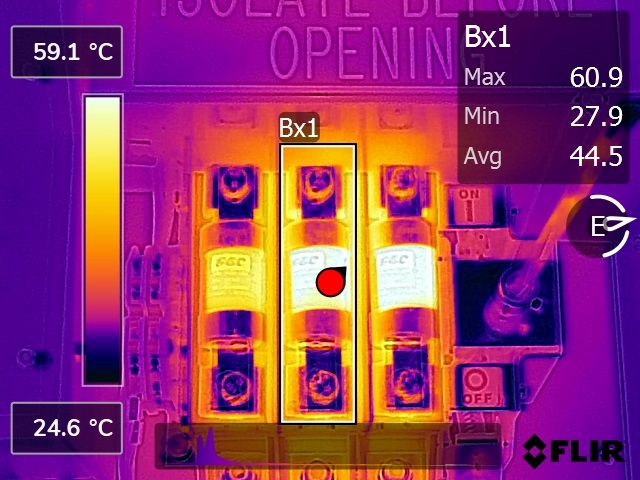
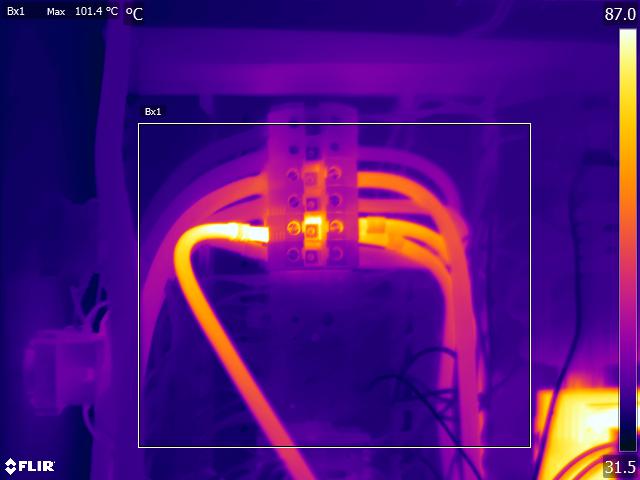
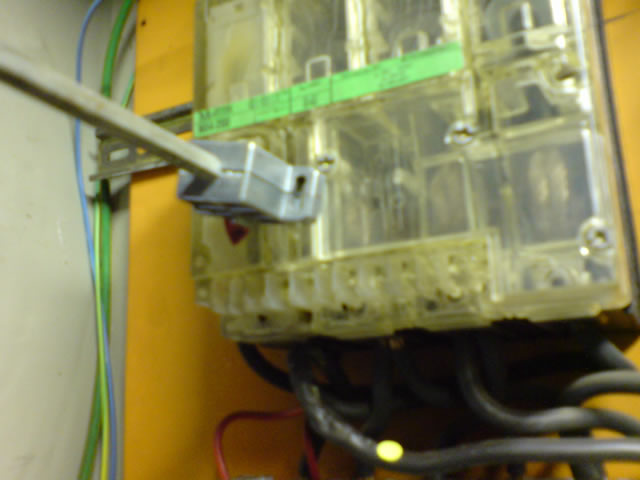
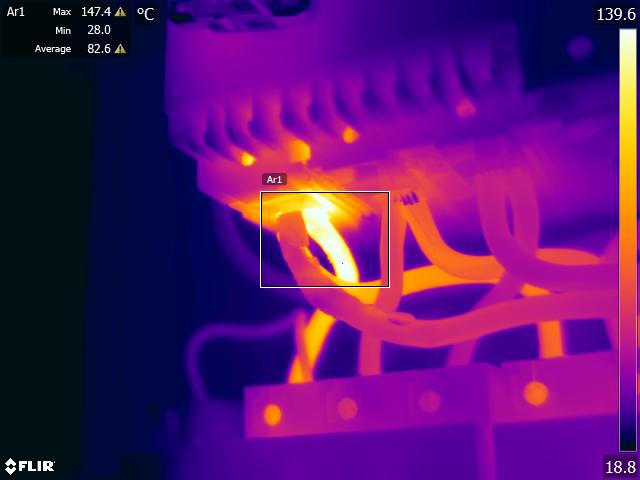
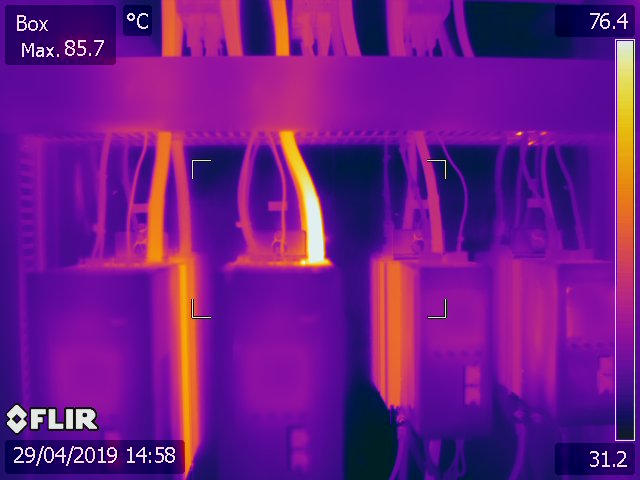
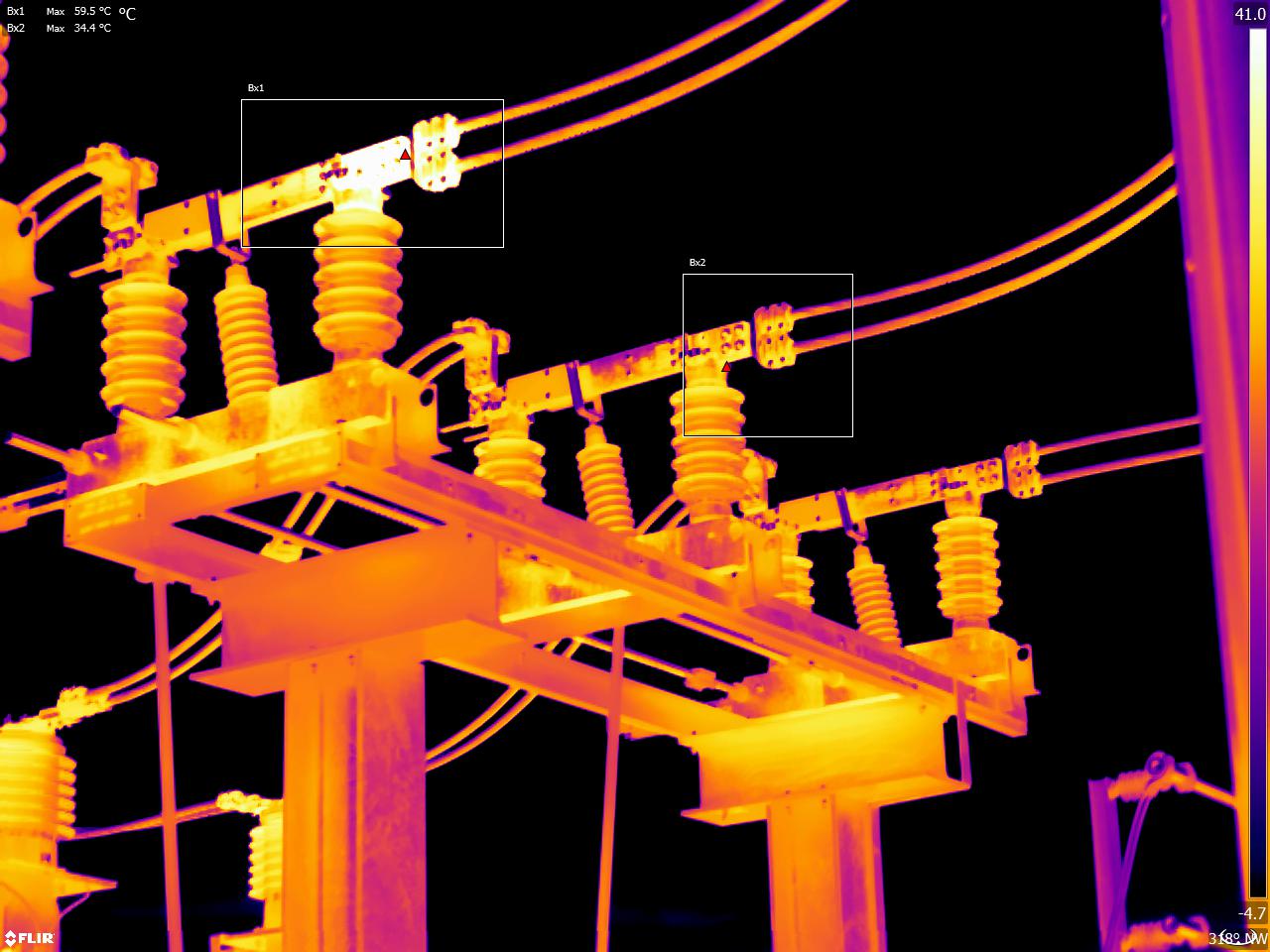
Electrical inspections can often be slow and only carried out during downtime or when a failure occurs. Many insurance companies now insist on an annual thermal inspection for compliance. Visual Perspectives can provide a cost-effective solution whereby we provide a suitable report and information to allow electricians and engineers to carry out repairs.

Companies who practice infrared predictive maintenance regularly check the temperature of critical equipment, allowing them to track operating conditions over time and quickly identify unusual readings for further inspection.

Integrating thermography into your maintenance schedule

Before imageAfter image

By monitoring equipment performance and scheduling maintenance when needed, we can reduce the likelihood of unplanned downtime due to equipment failure, spend less on “reactive” maintenance fees and equipment repair costs, extend the lifespan of machine assets, and further maximise maintenance and production.

Heat is often an early symptom of equipment damage or malfunction, making it a key performance parameter monitored in predictive maintenance programmes.

Infrared thermography cameras are the first line of defence in a predictive maintenance program.

Visual Perspectives can quickly measure and compare heat signatures for each piece of equipment on the inspection route, without disrupting operations.

Before imageAfter image

Need to safely and quickly check the condition of a roof? We can help.

Surveying a roof conventionally using platforms or cherry pickers can be costly and a breach of the working at height regulations. The modern method of roof inspection utilises drones, which can provide exceptional data that you need from ground level.

Visual Perspectives work alongside building surveyors to undertake detailed surveys and provide high quality photos, videos, and reports. Our drone operators are certified to CAA regulations and carry £5 million insurance to put your mind at rest.

With over 1,500 surveying assignments under our belt, including thermal imaging, topographical surveys3D scans and models, and more, you can trust our team to pay attention to every detail of your project.

Before imageAfter image

What Are The Benefits Of Using Drones For Roof Inspections Compared To Traditional Methods?

While traditional roof inspection methods have been the standard for many years, drones are becoming a more efficient, safe, cost-effective, and accurate option for rooftop inspections. Some of the benefits of utilising inspection drones are listed below.

Visual Perspectives Drone Surveys provide a safe and efficient way to inspect rooftops, reducing the need for scaffolding, rope access, or other equipment associated with traditional methods that can be costly and time-consuming to set up.

As a result, Visual Perspectives Drone Surveys eliminate the need for people to be on the roof or work from elevated roof platforms, which can be dangerous…and instead access the data they need with their feet firmly on the ground.

Visual Perspectives Drone Surveys provide access to areas of a roof that would otherwise be difficult or impossible to reach with traditional methods, such as steep pitches or high elevations, or features such as skylights and chimneys.

This enables our inspectors to conduct a more robust and thorough search.

Visual Perspectives Drone Surveys can conduct a roof inspection quickly, reducing the time it takes to complete a job. They can cover a large area in a shorter amount of time than traditional methods and are much quicker than erecting scaffolding or scaling the building using rope access to conduct a manual inspection.

Visual Perspectives Drone Surveys can save time and money by providing a more efficient and accurate assessment of the roof’s condition. They can also reduce the need for scaffolding or other equipment, which can be costly and time-consuming to set up.

Visual Perspectives Drone Surveys can quickly and easily capture high-resolution images and videos, allowing for detailed inspections of the roof and its components.

This can provide a more accurate and detailed assessment of the roof’s condition, and also offer a different and more complete perspective of the roof in one wide-angle shot.

For instance, this high-res image shows areas of this roof which have been damaged in a storm. This sort of record is beneficial for assessing the extent of the repairs and for submitting insurance claims.

Drone Site and Building Mapping

The Technique

Thanks to greater accuracy in drone navigation systems, computing performance and onboard photographic sensors, aerial photogrammetry by drone is highly performant and enables precision drone mapping, whatever the size and configuration of the terrain.

Easier and cheaper than using imagery from a manned aircraft, drone photogrammetry provides professional-grade material for aerial surveys and inspections, enabling centimeter precision scaling, and measurement of distances, surface areas, and volumes.

Drone mapping from photogrammetry also allows us to easily create 3D models that can be rotated over 360 degrees on all axis to achieve a unique point of view of the photographed buildings, artwork, structures, quarries, bridges, roads, etc…

​Visual Perspectives frequently uses aerial photogrammetry to gain higher zooming capabilities for surveyors in need of high-precision imaging of the inspected assets. Many industry sectors are using drone photogrammetry, such as:
  • Construction
  • Agriculture
  • Landscaping
  • Roofing
  • Insurance claims
  • Solar
  • Mining
  • Energy
  • Telecommunications

2D Drone Mapping Survey

To get a high-definition aerial picture of the area, allowing us to zoom in to cm scale details, we fly the drone at a low altitude (40m in the example below) following a pre-defined path, taking automatically pictures of the zone. This is the definition of photogrammetry. The application then reconstructs the whole area, providing an ultra-high resolution scalable picture available in GeoTIFF, jpeg, and pdf, las, xyz, dxf/shp, obj, rcp.
Before imageAfter image