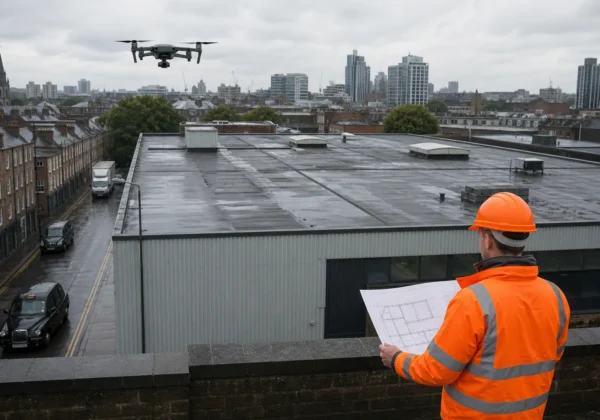
Dirty panels can lose output, but cleaning them on a fixed schedule can waste money when rain has already removed the soiling. Professional solar panel cleaning works best when you first check the system’s condition, then set clear safety controls and agree how the results will be checked.
We analyzed 76 comments and questions from YouTube, Reddit and Quora about professional solar panel cleaning and found that 14% mentioned the effect on energy output.
Step 1: Confirm whether cleaning is needed
Start with evidence, not a calendar reminder. Rain removes much of the loose dust from many pitched arrays, so a light film alone may not justify a visit. Flat roofs can hold more debris, while bird fouling or a patch of stubborn dirt may remain after rain.
Ask your facilities or energy team to check the inverter data before requesting a clean. Compare recent generation with a suitable baseline, such as the same period in the previous year. Account for changes in weather, shading, system downtime or building use before linking a fall in output to soiling.
Then arrange a visual check from a safe position. Record where dirt sits and whether it affects a whole row or only a few modules. Bird fouling in one area may call for a targeted clean, not work across the full roof. For help setting an inspection interval, see our guidance on how often commercial solar panels may need cleaning.
Ask the contractor to separate cleaning from fault diagnosis. A clean can remove surface dirt, but it cannot repair a damaged module or explain every fall in generation. Published service descriptions may also treat pre-clean inspection as a separate task. Confirm whether your proposed scope includes a visual check before work starts.
For a large estate, record the reason for each site visit. That gives the procurement team a clear basis for approving the work and helps you avoid routine cleaning where it adds little value.
Step 2: Plan access, risk controls and contractor scope
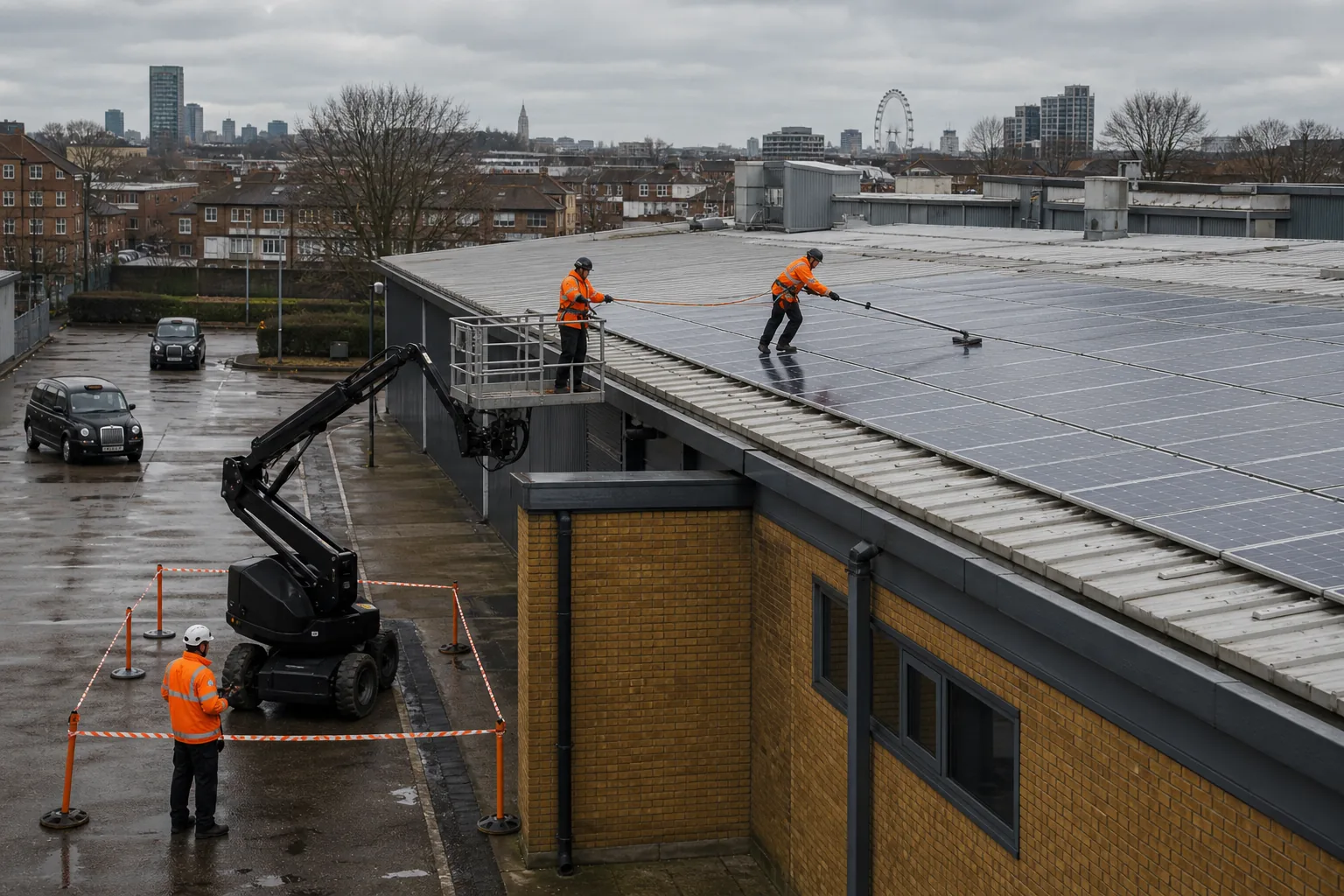
Agree how the crew will reach the array before you book a date. Share roof plans, access points and known hazards, such as fragile rooflights, roof edges or areas where people work below. Tell the site contact about deliveries, school hours or clinical activity that could affect the work area.
Ask for a site-specific risk assessment and method statement. Check who controls the work area and how the team will keep people away from falling objects or overspray. A water-fed pole may let a crew clean some panels from the ground, but it won’t suit every roof or array layout. The safe method depends on reach, obstacles and site conditions.
Roof work requires suitable measures to prevent falls. Ask how the contractor will manage this risk on your site.
Put the scope in writing. State which roof areas are included, how the crew will protect nearby equipment and what happens if they find damage. Agree whether the price covers access equipment, water supply, waste handling and a record of completed areas. Procurement teams should request evidence of relevant training and insurance before authorising access.
Visual Perspectives Limited provides solar panel cleaning and managed drone-based inspections across the UK. A drone survey can help assess roof condition without placing an inspector on the array, but it is a separate activity from cleaning. Decide whether you need cleaning alone or an independent visual or thermal inspection as well.
Step 3: Select a cleaning method suited to the array
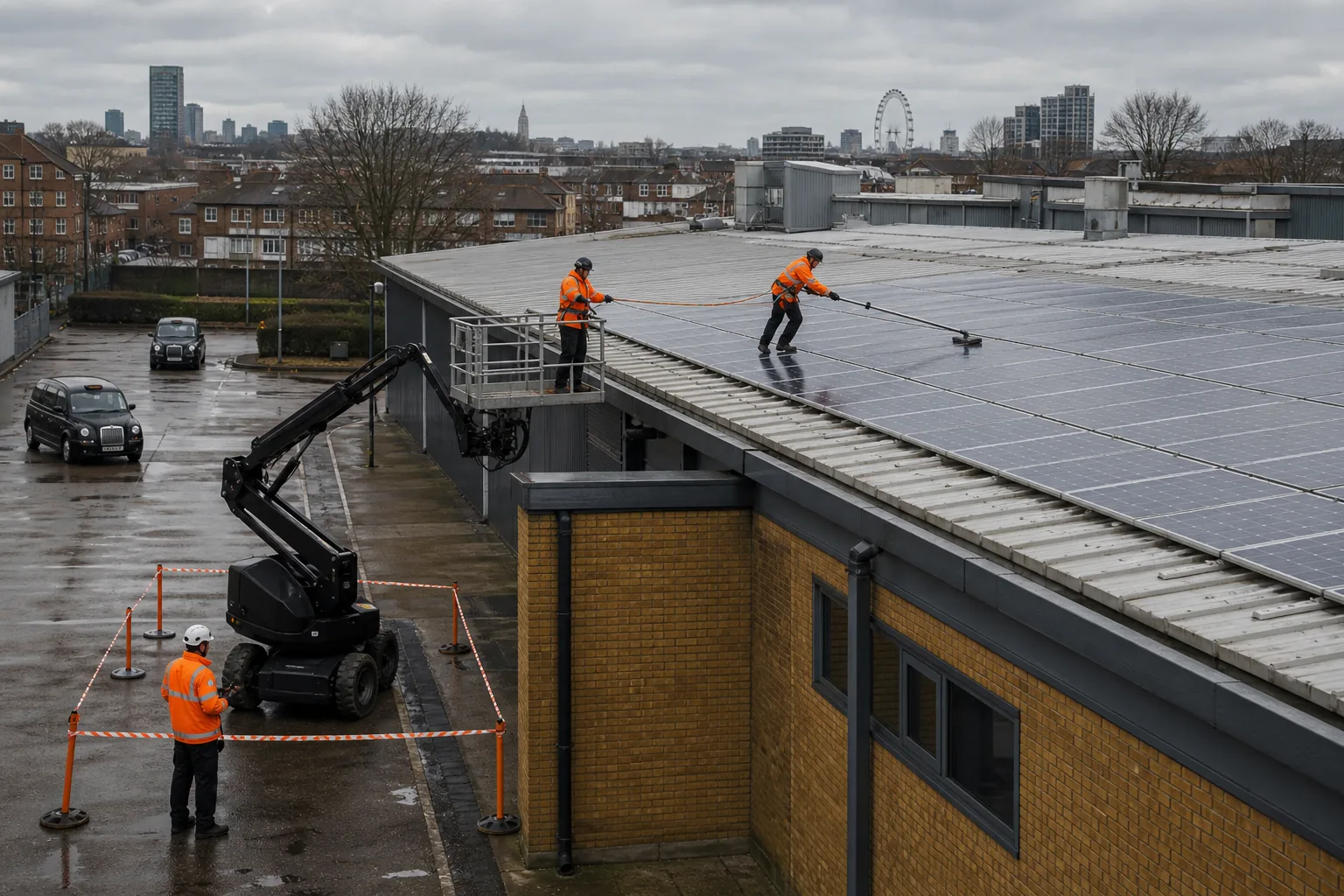
Choose a method that fits the roof, the level of soiling and the manufacturer’s care instructions. For routine surface dirt, contractors commonly use deionised or other suitably purified water with a soft brush. Deionised water has had dissolved mineral ions removed, which helps reduce dried water marks on the glass.
Ask what the contractor means by pure water and how the crew checks water quality. A water-quality check can show the level of dissolved material in the water. Agree the quality they will use and how they will respond if readings are outside their stated range. This is more useful than a vague promise to use filtered water.
Set limits on tools and cleaning agents. Abrasive cleaning materials can scratch glass or coatings, while a squeegee can drag trapped grit across a panel. Detergents and other chemicals may leave residue or conflict with product care guidance. Unless the panel maker specifies otherwise, include a written instruction to use purified water and a soft brush, not abrasive tools or routine detergents.
Ask how the method will avoid forceful water jets near seals, cables or electrical fittings. A brush-and-rinse approach should be gentle. The crew should not stand or walk on modules. For more detail on methods for commercial roofs, see our page on the cleaning approach for commercial solar roofs.
Timing matters, too. Schedule the work when panels are cool, such as early in the day, rather than rinsing hot glass with cold water. That also gives the team more time to spot missed patches before the work area is handed back. If a stain does not lift with the agreed method, ask the crew to stop and report it instead of applying a stronger chemical without approval.
Match the method to the installation, not the latest piece of equipment. A drone-assisted wash, a water-fed pole or another approach still needs a clear plan for inspection, access and safe control of the work area.
Step 4: Carry out the clean safely and consistently
Before the first panel is cleaned, the site lead and contractor should confirm the work area, access route and stop-work process. Keep the crew away from fragile surfaces unless the agreed system provides safe access. Never treat the panels as a walkway.
Ask the team to inspect the array first. They should note visible cracks, loose parts, heavy deposits or other changes that could affect the cleaning plan. Photographing a concern from a safe position can help the asset manager compare it with earlier records. If the crew spots a possible electrical or structural fault, pause that part of the job and refer it for assessment.
Once the site is cleared, work in a consistent sequence across each agreed zone. Wet the surface with purified water, loosen dirt with a clean soft brush and rinse as needed so debris does not dry back onto the glass. The crew should keep brushes free of grit and rinse them when needed. Use the same pattern for each roof area so no section is overlooked.
Do not rush a clean in direct heat. Water can dry before the crew has rinsed away loosened dirt, leaving marks that are hard to assess until the surface is dry. Working when panels are cooler makes the process easier to control. The site lead should also check that hoses and other equipment do not block walkways or create trip risks.
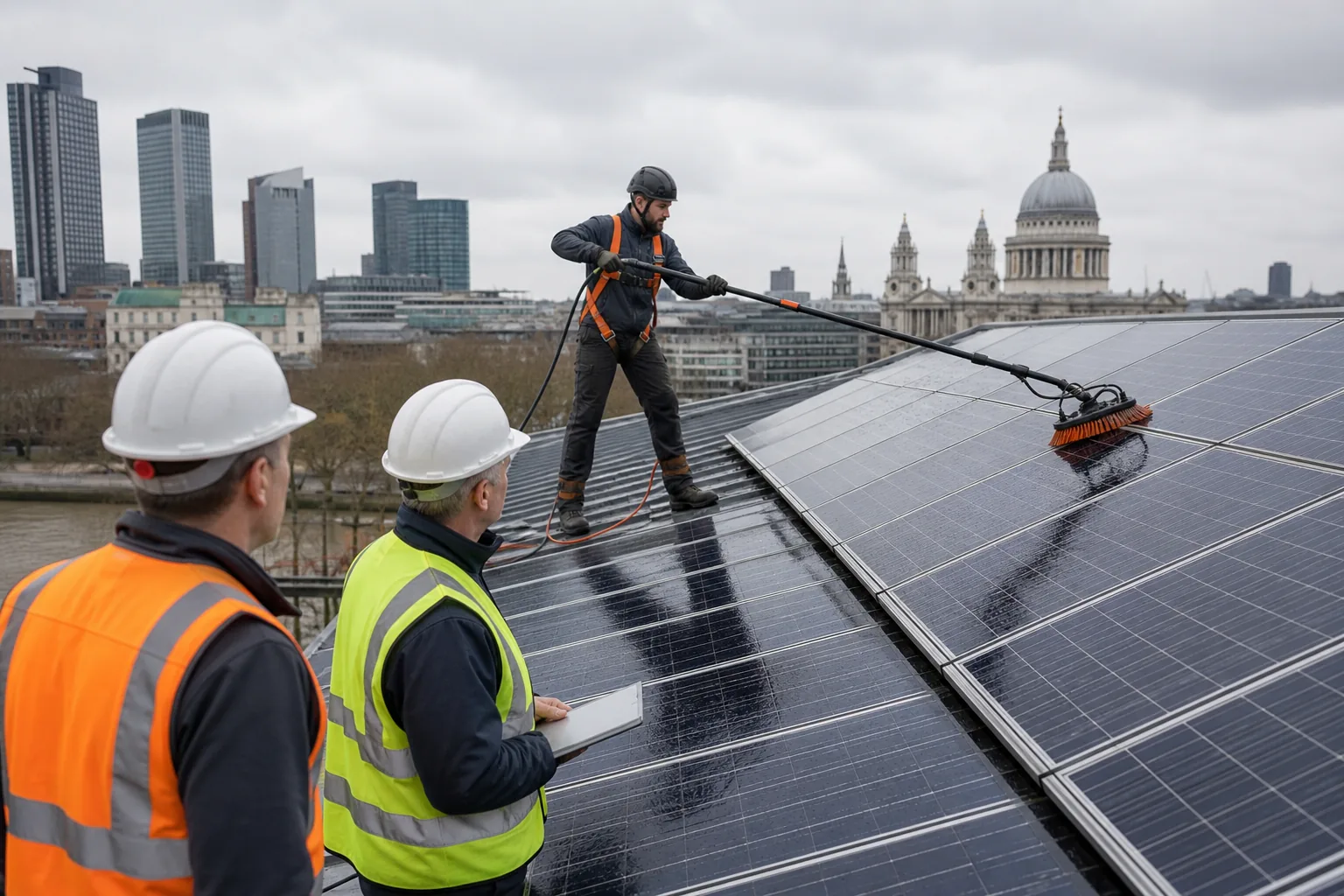
Keep a simple record as work progresses: note the roof zone completed, any panels excluded and any concerns raised. If weather changes or a safety control fails, stop and review the plan before restarting. A clean is complete only when the agreed areas have been treated and the site lead accepts the handback.
Step 5: Check the result and document the work
Do a post-clean check before the contractor leaves. From a safe position, confirm that the agreed areas look clean and that the team has not left visible residue, loose equipment or waste behind. Record any panel the crew could not clean and the reason it was excluded.
Ask for a short service record that names the date, site and areas completed. It should note the cleaning method and water type, along with any access limits or damage observed. Before-and-after images can help confirm coverage, but they do not replace a technical inspection of the PV system.
Compare generation data after the clean, but do not expect an instant, fixed increase. Output changes with sunlight, cloud, temperature and system faults. Use a suitable comparison period and review the inverter data with those factors in mind. If generation remains below expectation, investigate the system rather than arranging repeat cleaning by default.
Keep cleaning records with maintenance logs and previous inspection reports. They help your team see whether soiling recurs in a particular roof area and whether cleaning frequency needs to change. If a separate inspection is needed, Visual Perspectives Limited carries out drone roof and façade surveys, including thermal imaging of solar PV systems. Thermal images can show temperature patterns that a standard visual clean cannot diagnose.
Define the handover in your purchase order: who receives the report, how quickly it is due and who will review any defects. A named owner prevents findings from sitting in an inbox while the next maintenance visit is planned.
For procurement teams, ask contractors to confirm their safety controls and qualifications in the tender response. Published service information can vary in how clearly it connects cleaning with inspection. Make that distinction explicit in your specification so the cleaning crew is not assumed to be carrying out a full condition survey.
Frequently asked questions
How often should commercial solar panels be cleaned?
There is no single cleaning interval that fits every site. Check the roof condition and generation data, then consider local sources of dirt such as bird activity or nearby works. Pitched panels may receive useful rain wash, while flat roofs can hold more debris. Set a review interval and change it when site evidence supports a different approach.
What water should a contractor use to clean solar panels?
For routine cleaning, specify deionised or suitably purified water and ask how the crew checks its quality. A soft brush can help loosen dirt. Avoid abrasive tools and routine detergents unless the panel manufacturer gives different care instructions. Agree the water specification before work starts, particularly across a large estate with several contractors.
Can solar panels be cleaned when they are hot?
It is better to schedule cleaning when the panels are cool. Early-day work can reduce the chance that water will dry too quickly and makes it easier to spot missed areas. Avoid rinsing hot glass with cold water. If the weather changes or the panels heat up during the job, the crew should reassess the method and timing.
Does cleaning include a solar panel inspection?
Not automatically. A cleaning crew may make a visual check as part of its work, but that is different from a detailed condition or thermal inspection. Put the inspection scope in writing if you need one. Thermal imaging can identify temperature patterns that are not visible during a standard clean, but it requires a separate inspection plan and report.
Conclusion
For a UK estate, approve cleaning when condition checks or generation records point to soiling, then set the access plan and method in writing. Ask for a post-clean record and review output before booking repeat work. If you need independent evidence of roof or PV condition, speak with Visual Perspectives Limited about a drone or thermal inspection.