Commercial owners lose money when hidden heat loss goes unchecked. A cavity wall insulation survey can spot those leaks before they turn into big repairs. In this list we break down the most trusted providers that use drones, thermal imaging and IEC 62446‑compliant reports. You’ll see what each service does, who it helps and why it matters for your building.
1. Visual Perspectives , Drone roof inspections, façade surveys, thermal imaging for commercial buildings
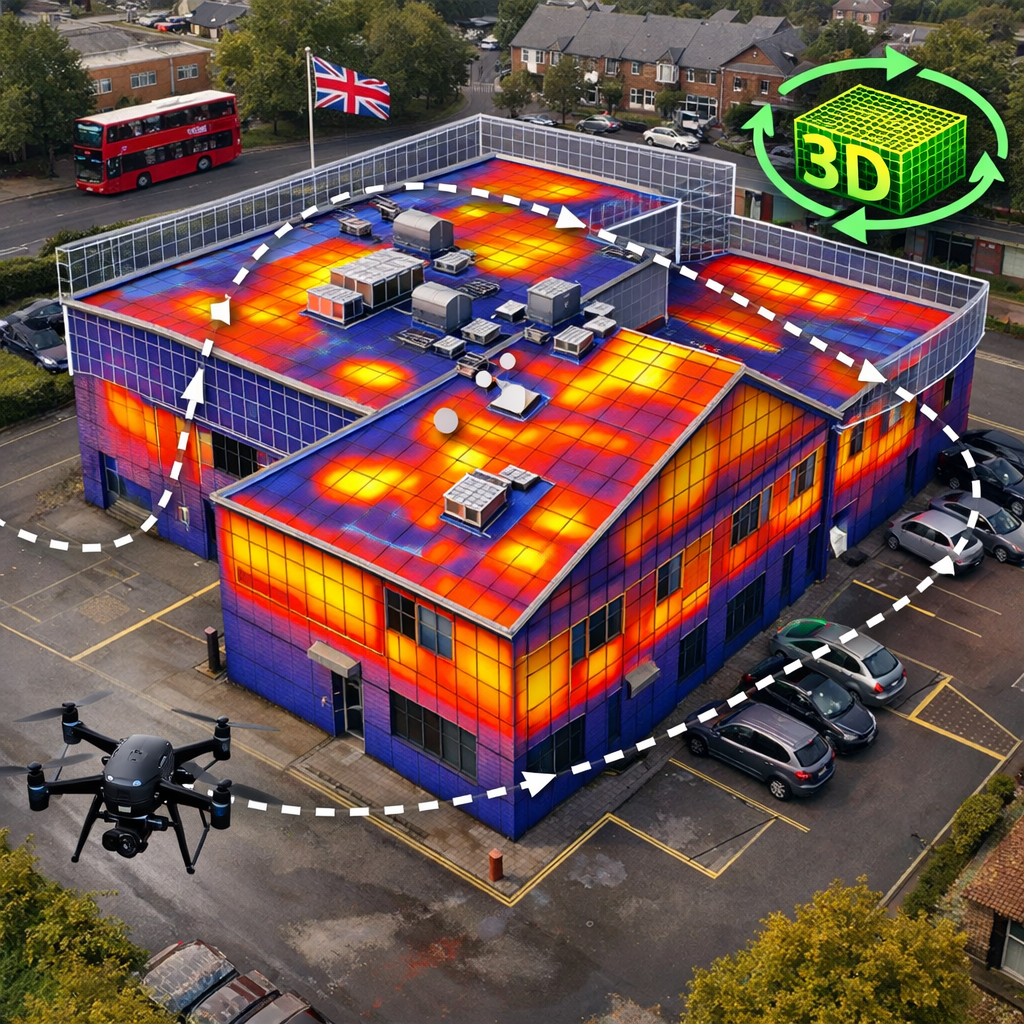
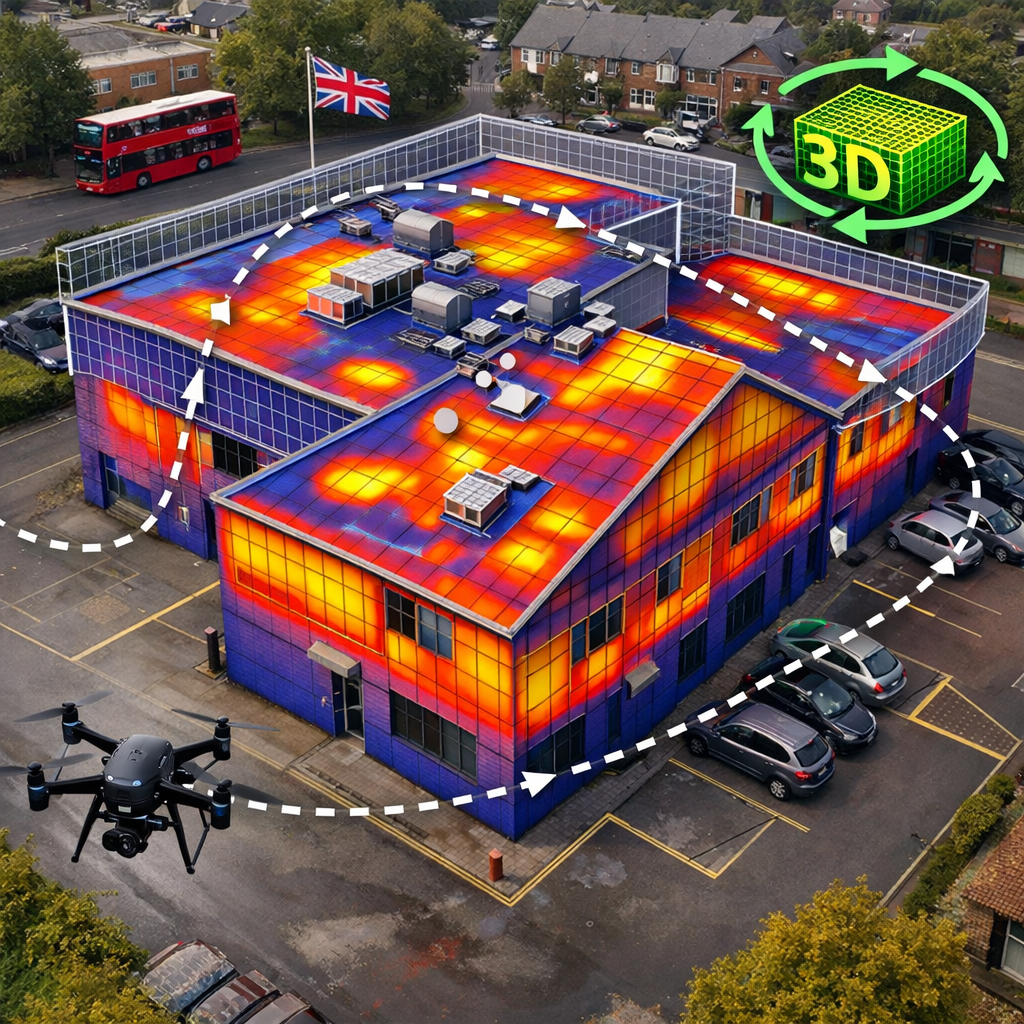
We start with the firm that set the bar for fast, precise, and detailed surveys. Visual Perspectives flies drones over your roof, captures high‑resolution photos and runs thermal cameras to spot cold spots. The data lands in a 3‑D model you can explore on a tablet. That way you see exactly where the cavity wall lets heat slip out.
The company also runs façade surveys. That means the drone can look at walls that are hard to reach from the ground. You get a full picture of cracks, moisture stains and any insulation gaps.
Thermal imaging isn’t just a pretty picture. It follows ITC Level 1 & 2 standards, meaning the cameras are calibrated for accurate temperature readings. When you pair that with IEC 62446‑compliant reporting, you meet the same rules used for solar PV checks.
Because the drones are CAA‑approved and the firm carries £5 million insurance, you avoid the risk of accidents on busy sites. The team also handles all the paperwork, so you stay compliant with building regs.
Imagine you run a university campus with dozens of flat roofs. A Visual Perspectives survey can be done in a single day, saving weeks of scaffolding work.
Our Services | Thermography and Drone Inspection
Bottom line:If you need a trustworthy, all‑in‑one survey that covers roof, façade and thermal data, Visual Perspectives is the top pick.
2. SkyScan UK , Cavity wall insulation survey via drone and thermal imaging for commercial assets
SkyScan UK focuses on large commercial estates. Their drones carry dual‑sensor rigs: a RGB camera for detailed photos and a long‑wave infrared sensor for heat detection. The company prides itself on quick turn‑around , most reports are ready within 48 hours.
What sets SkyScan apart is the integration of GIS data. They layer your building’s footprint onto the thermal map, so you can see loss per square metre. That helps facilities managers prioritize fixes that give the biggest energy savings.
Their reports follow IEC 62446 standards, which is a plus for owners who also have solar arrays. The same compliance language works for both PV and cavity wall checks.
SkyScan’s field crew also runs on‑site inspections when a drone can’t reach a tight alley. They then merge the ground photos with the aerial data for a smooth report.
Clients love the clear action items. Each report ends with a ranked list of repairs, cost estimates and projected energy savings.
Bottom line:Choose SkyScan when you need fast, data‑rich reports that tie directly into your asset‑management software.
3. Aerial Insight Ltd , 3D mapping & thermal diagnostics for decarbonisation and heat loss detection
Aerial Insight builds a full 3‑D point cloud of your building. The drone flies a tight grid, stitching together millions of points into a model you can rotate. On top of that, a calibrated thermal camera scans the walls for cold bridges.
The 3‑D model lets you measure cavity depth, wall thickness and any gaps that might hide insulation. When you pair that with thermal data, you get a cause‑and‑effect view: a gap shows up as a cold spot on the heat map.
Decarbonisation teams love this because the model can be fed into energy‑simulation software. You can predict how a retrofit will cut CO₂ emissions before you spend a pound.
They also offer a “heat‑loss index” that scores each wall segment from 1 to 10. Higher scores flag urgent repairs.
All work follows IEC 62446 and the team holds ITC Level 2 thermography certification. That means the temperature readings meet the same strict standards used by solar PV inspectors.
Thermal Imaging Roof Guide – Visual Perspectives
Clients have reported that the 3‑D view shortens the design phase for retrofit projects. One facilities manager told us the model saved three weeks of planning time.
“Seeing the exact shape of the wall and the heat‑loss spots together changed how we approached the retrofit.”
Bottom line:Aerial Insight gives you a visual and thermal deep‑dive that’s perfect for large‑scale decarbonisation programmes.
4. Precision Thermography Partners , IEC 62446 solar PV thermography in building surveys
Precision Thermography Partners started in the solar sector but now offers full cavity‑wall surveys. Their drones carry a high‑resolution thermal camera that meets IEC 62446, the same standard used for PV panels.
Their approach blends solar PV thermography with building‑envelope diagnostics. That means you get a single report that covers both roof‑mounted solar arrays and the surrounding walls.
They use a proprietary algorithm to filter out sun glare and wind‑induced temperature spikes, giving you a clean heat‑loss picture even on a sunny day.
Because they already work with solar installers, they know how to coordinate drone flights around live PV systems safely. No need for extra permits.
Their reports include an IEC 62446 compliance checklist, a defect map and a cost‑benefit analysis for both solar and wall insulation upgrades.
Clients in the public sector appreciate the single‑source data, which simplifies tender submissions for government‑backed retrofit programmes.
Bottom line:Pick Precision Thermography if you have solar PV on your roof and need a unified inspection.
5. GreenGrid Inspectors , Integrated building diagnostics for asset management and risk reduction
GreenGrid focuses on risk‑averse owners who run large portfolios. Their drones capture high‑detail RGB images, generate orthophotos and run thermal scans in a single flight.
The company feeds the data straight into asset‑management platforms like FM:Systems or Archibus. That lets you track insulation performance over years, spot trends and schedule maintenance before a defect becomes a claim.
They also provide a “risk score” for each wall section, based on heat‑loss severity, moisture detection and visual crack grading.
All surveys are IEC 62446‑aligned and the thermographers hold ITC Level 1 certification. The reports are fully searchable PDFs with clickable hotspots.
Building Defect Thermography – Visual Perspectives
Insurance adjusters like GreenGrid because the data reduces uncertainty in loss assessments. A recent case study showed a 15 % drop in claim payouts after owners switched to their survey service.
GreenGrid also offers a “no‑disruption” guarantee , the drones fly high enough to stay clear of rooftop equipment, so you avoid downtime.
Bottom line:Use GreenGrid when you need integrated diagnostics that plug directly into your FM software.
Conclusion
Choosing the right cavity wall insulation survey provider can save you money, time and headaches. Visual Perspectives leads with a fully compliant, fast and detailed service that covers roof, façade and thermal data in one go. SkyScan UK brings GIS‑enhanced maps for quick ROI calculations, while Aerial Insight’s 3‑D models help large‑scale decarbonisation projects. Precision Thermography Partners is the go‑to for owners with solar PV, and GreenGrid gives you a risk‑focused dashboard that plugs into asset‑management tools.
All five firms meet IEC 62446 standards and hold ITC thermography qualifications, but they each shine in different use cases. Think about the size of your portfolio, whether you need solar integration, and how you plan to act on the data. Then pick the service that aligns with your workflow.
When you partner with a provider that blends drone agility, high‑resolution 3‑D mapping and certified thermal imaging, you get a clear view of what the naked eye can’t see. That means fewer surprise repairs, lower energy bills and a smoother path to decarbonisation.
Take the next step today: request a free pilot survey from Visual Perspectives and see the benefits for yourself.
FAQ
What does a cavity wall insulation survey actually measure?
A cavity wall survey looks for gaps, moisture and missing insulation inside the wall cavity. Using thermal imaging, the drone captures temperature differences that reveal cold bridges where heat escapes. The final report shows exact locations, severity ratings and suggested remediation steps, so you know where to apply fix‑it measures.
Why is IEC 62446 compliance important for commercial surveys?
IEC 62446 sets the testing and reporting standards for photovoltaic and thermal inspections. When a survey follows this standard, you get consistent, trustworthy data that meets industry‑wide quality checks. It also helps you satisfy insurance and regulatory requirements, especially for large public or commercial projects.
Can a drone survey replace a traditional on‑site inspection?
In many cases, yes. Drones reach high or hard‑to‑access areas without scaffolding, cutting down on labour costs and disruption. However, if a wall has severe damage that needs physical probing, a follow‑up ground inspection might still be needed. The drone report will tell you when that’s the case.
How often should a commercial building get a cavity wall insulation survey?
Most owners schedule a survey every 3‑5 years, or after major roof work. If you have a high‑energy‑use building, an annual check can catch early signs of heat loss and keep energy bills in check. Regular surveys also feed data into long‑term asset‑management plans.
What are the cost benefits of using thermal imaging?
Thermal imaging pinpoints the exact spots where insulation is missing or wet. Fixing those spots can cut heating bills by 10‑20 % on average, cost is usually a fraction of the savings you’ll see over the next decade.
Do these providers work across the whole United Kingdom?
Yes. All five firms have crews and licensing that cover England, Scotland, Wales and Northern Ireland. They comply with CAA regulations and local health‑and‑safety rules, so you can trust them on any commercial site in the UK.
How do I know which provider fits my project best?
Start by listing your priorities: speed, GIS data, solar PV integration or asset‑management integration. Match those needs to the strengths highlighted in each section above. For a one‑stop, fully compliant service, Visual Perspectives is the safe bet. For GIS‑heavy data, look at SkyScan. For 3‑D modelling, choose Aerial Insight.
Is the data from these surveys easy to understand?
All providers deliver reports that blend colour‑coded thermal maps with plain‑language summaries. Most include a ranked list of repairs and cost estimates. Some, like GreenGrid, even link the data directly into FM software dashboards for real‑time monitoring.