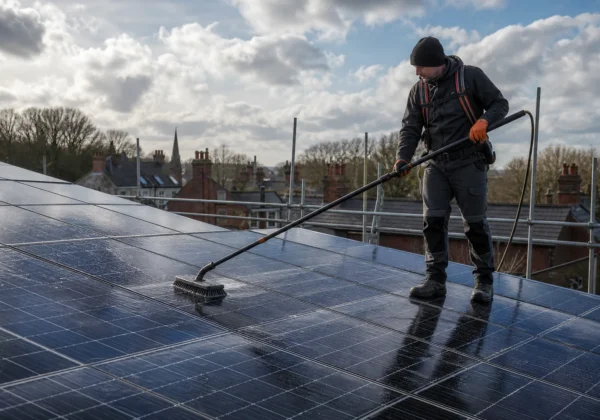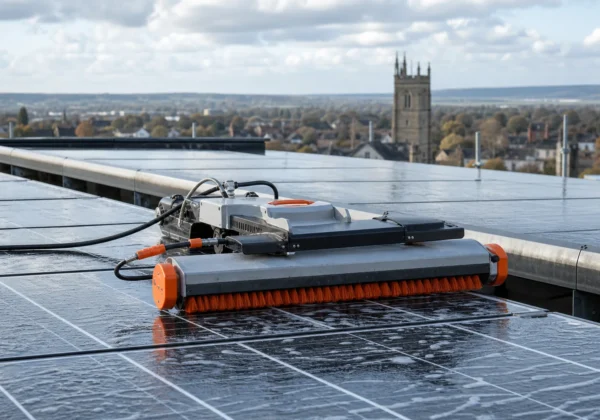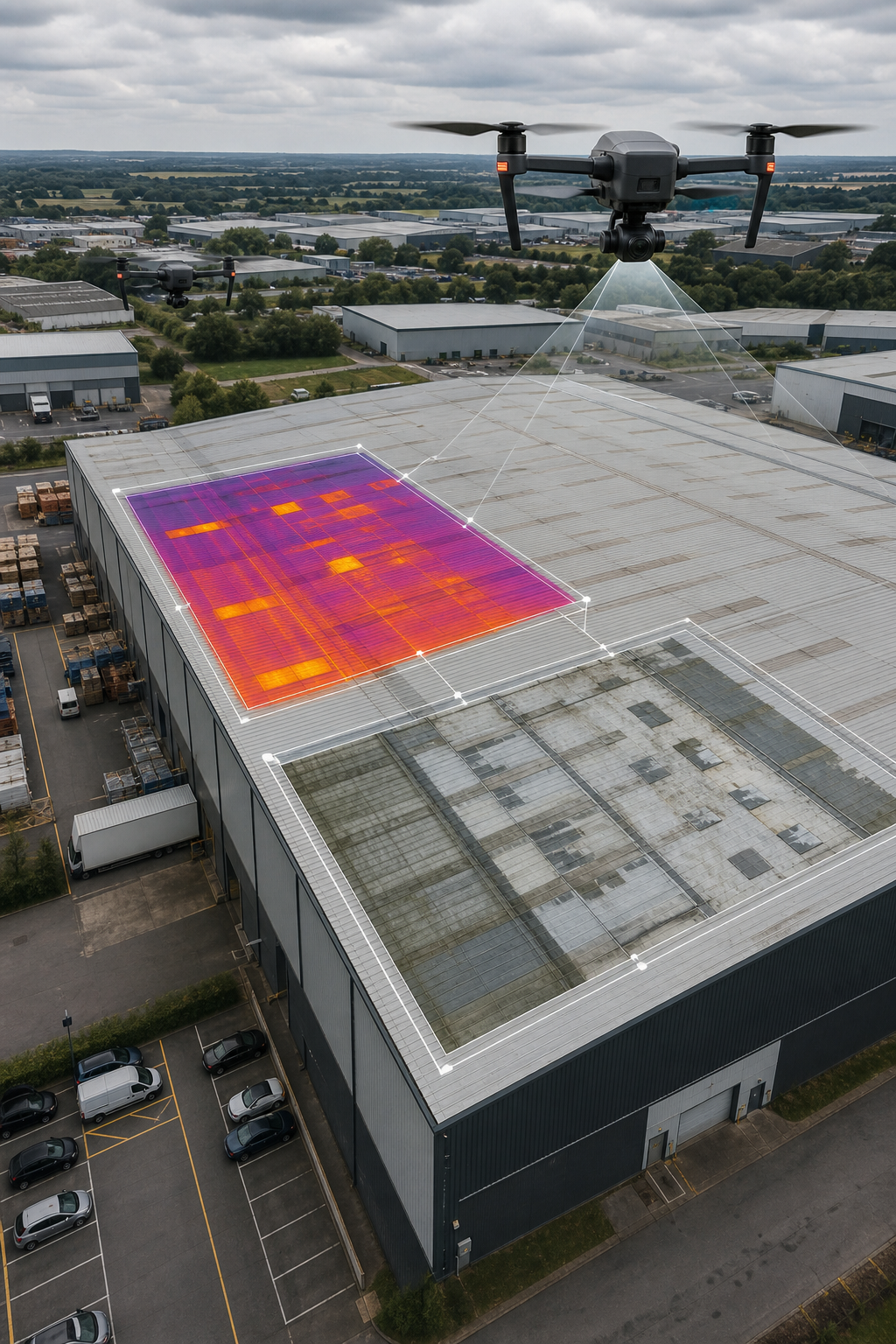
Need a roof check but can’t spare a crew on a ladder? A drone roof inspection can scan the whole surface in minutes, catch hidden leaks and give you a full report without a single foot on the roof. Below is a short list of the best commercial drone roof inspection services in the UK and a quick checklist to help you pick the right partner.
1. Visual Perspectives Limited (Our Top Pick) , UK‑wide drone roof & façade diagnostics
Visual Perspectives provides managed drone‑based aerial inspections, specialising in roof and façade surveys across the United Kingdom. The team uses high‑resolution 3D mapping, thermal imaging and IEC 62446‑compliant solar PV reports, all backed by a £5 million public‑liability policy and CAA‑authorised pilots.
Who it’s best for: building surveyors, asset managers, facilities teams and solar installers who need a single provider that can cover the whole inspection workflow.
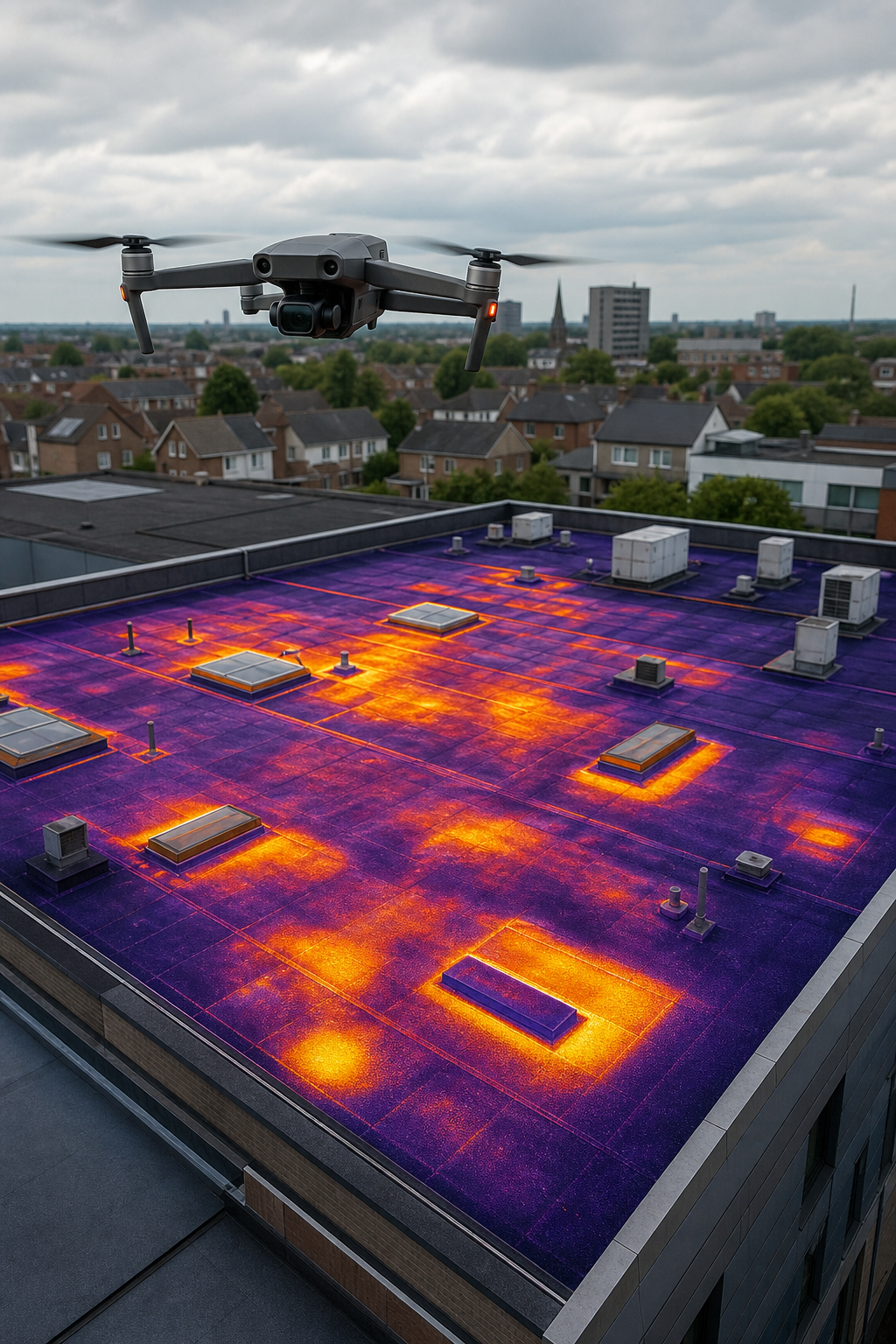
The service delivers a fast‑turnaround, cloud‑based report that tags every defect with GPS coordinates, shows heat‑loss maps and flags under‑membrane saturation before a PV system is installed. That helps prevent costly solar‑fire claims and supports decarbonisation plans. You’ll also get a clear audit trail that insurers accept for claim evidence.
One limitation: the company focuses on commercial and public‑sector roofs, so small residential jobs fall outside their scope.
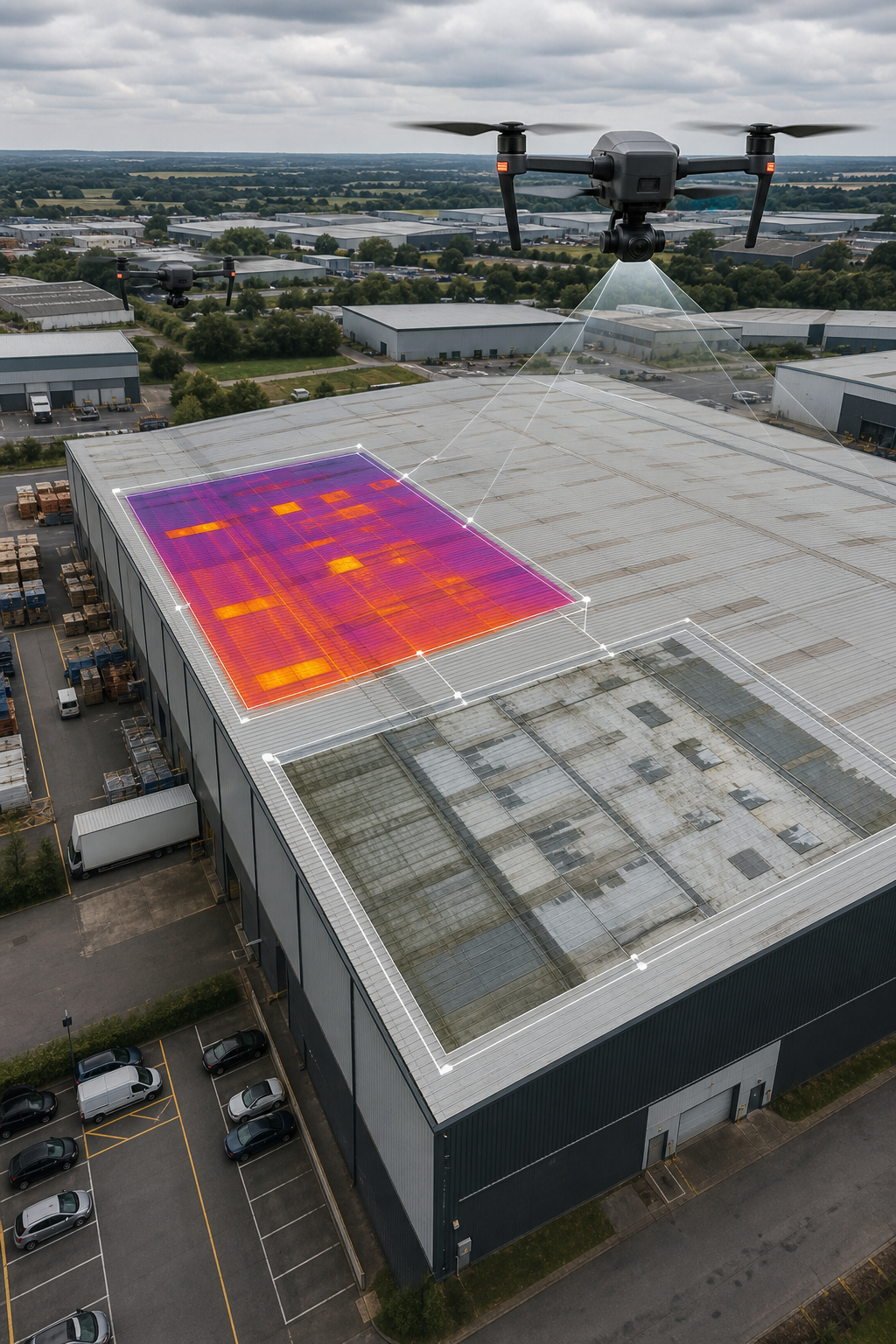
The data capture steps are explained in plain language.
2. Solar Surveys Ltd , Specialist commercial roof inspections with high liability coverage
Solar Surveys offers high‑resolution drone aerial inspections paired with engineer‑reviewed condition reports. Their pilots hold BDF and BMFA accreditations, and the firm carries £25 million public‑liability cover.
Best for: owners of flat‑roofed commercial assets, logistics centres and existing solar PV sites that need a rapid, detailed condition assessment.
The company maps surface defects, checks fixings, evaluates drainage and runs a solar‑panel health check in a single flight. Reports are delivered within 48 hours, making it easy to feed data into maintenance plans or insurance claims. The engineers flag any under‑membrane saturation that could lead solar‑fire risk before a new PV array goes live.
A caveat: the service is geared toward larger roof footprints; very small or highly complex roof geometries may need a bespoke quote.
The typical workflow you’ll receive from Solar Surveys walks through the steps of a commercial building drone roof inspection.
3. Drone Roof Inspection Provider – Visual + thermal rapid condition assessments
Drone‑based services blend high‑resolution visual imagery with optional thermal imaging overlays to give a quick‑look condition report. This approach is popular with schools, councils and housing associations that need to minimise disruption.
Who benefits: public‑sector estates that cannot shut down for scaffold‑based surveys and need a fast safety check before any major works.
The drone captures cracks, damaged flashings and heat‑loss spots in under two hours. Because the data is collected from the air, there’s no need for ladders or scaffolding, which cuts labour costs dramatically. Providers often offer a hybrid approach: a drone scan first, then a targeted manual inspection only where the drone flags serious issues.
Limitation: the service does not include core sampling, so any moisture‑intrusion tests must be done separately.
Modern drones can achieve centimetre‑level accuracy, which underpins the precision of these inspections.
4. Aerially.ai , AI‑driven defect detection and 3‑D modelling
Aerially.ai uses 20‑50 MP RGB cameras and thermal imaging sensors to capture every square foot of a roof. Their AI engine tags defects, measures them and adds GPS coordinates, then spits out a PE‑certified report within 24 hours.
Ideal for: firms that need fast insurance‑claim documentation or want to automate defect classification across many sites.
Key strengths include AI‑based crack detection, pond‑water mapping and a 3‑D model that lets engineers measure slopes without returning to the site. The company also offers a free assessment, so you can before committing.
Watch out for: AI can produce false positives on unusual roof textures, so a quick visual sanity check is recommended.
5. Full View Limited , Cost‑effective thermal roof surveys
Full View uses state‑of‑the‑art DJI drones with interchangeable thermal cameras to deliver fast, affordable roof surveys. Their reports include orthomosaics, 3‑D digital twins and a heat‑loss map that points out insulation gaps.
Best for: property owners and insurers who need a clear, inexpensive snapshot of roof health across a portfolio.
The team keeps costs low by using a single‑pilot model and avoiding any on‑site scaffolding. They also provide a transparent workflow: you get raw images, a processed report and a short video walk‑through, all within a few days.
One drawback: they do not perform structural calculations, so you’ll still need a separate engineer sign‑off for major repair decisions.
6. Energy Robotics , Drone inspections for industrial tanks and large roofs
Energy Robotics focuses on massive tank‑roof and industrial‑plant inspections. Their autonomous drones fly BVLOS (beyond visual line of sight) missions, capture high‑resolution colour and thermal data, and upload the results straight to a cloud portal.
Target audience: oil & gas terminals, large‑scale manufacturing sites and utilities that need to monitor hard‑to‑reach roof areas without sending staff up ladders.
The solution reduces a typical 8‑hour manual inspection to a 30‑minute flight, cutting labour risk and delivering data that AI analyses for water‑level detection, seal integrity and corrosion hot‑spots.
Limitation: the service is specialised for large, flat‑top tanks and may be overkill for standard commercial roofs.
7. Korial , Automated AI analysis for commercial roofs
Korial provides a fully automated workflow that combines drone capture with AI‑driven defect mapping. Their platform ingests RGB and thermal images, then outputs a defect map with severity ratings.
Great for: asset managers who need to run regular inspections across many sites and want the data automatically fed into their maintenance management system.
The AI model can recognise over 20 defect types, from cracked flashings to moisture pockets, and it highlights areas that need urgent attention. Korial also integrates with existing GIS tools, so you can layer roof data on top of your asset maps.
Potential downside: the AI engine works best on clear‑day flights; heavy rain or low‑light conditions can reduce detection accuracy.
8. Solar Thermography , Expert PV thermography compliant with IEC 62446
Solar Thermography specialises in IEC 62446‑3:2017‑compliant thermal surveys for solar PV arrays. Their certified Level 3 thermographers use drone‑mounted infrared cameras to spot hot‑spots, bypassed bypass diodes and thermal mismatch.
Best for: solar EPCs, O&M teams and insurers who need a standards‑aligned report that satisfies warranty and insurance requirements.
The process includes a pre‑flight environmental check, a radiometric thermal capture and a detailed report that lists each anomaly with temperature differentials. The company can also add string‑level electrical testing for deeper diagnostics.
Note: the service focuses on PV panels; it does not provide a full roof‑structure assessment.
9. HireDronePilot , Panel‑level thermal mapping for solar PV arrays
HireDronePilot offers panel‑level radiometric thermal mapping, delivering georeferenced thermal ortho‑images that pinpoint defective modules. Their reports are formatted for insurance, warranty and O&M teams.
Ideal for: solar farm owners who need a quick, high‑resolution heat map to schedule maintenance before performance drops.
The company captures both visual and thermal data, then overlays the thermal layer onto a GIS‑ready map. The result is a clear visual of hot‑spots and a ranked list of panels that need replacement.
Limitation: pricing is quote‑based, so cost can vary widely depending on array size.
How to Choose the Right Commercial Drone Roof Inspection Service
Use this short checklist to match your project needs with the right provider.
- Confirm certification: look for CAA authorisation, ITC Level 1 & 2 thermography and IEC 62446 compliance.
- Check insurance limits: commercial projects usually need at least £5 million public‑liability coverage.
- Match data depth: do you need a simple visual map, a full 3‑D model or panel‑level thermal diagnostics?
- Consider turnaround time: urgent claim work may need a 24‑hour delivery promise.
- Ask about data formats: GIS‑compatible files, PDF reports and raw images help integrate with existing asset‑management tools.
How much does a commercial drone roof inspection cost?
The price varies with roof size, complexity and data depth. A basic visual survey starts at a few hundred pounds, while a full thermal‑plus‑3D package is priced higher and varies by project. Most providers quote after a site walk‑over.
Are drone inspections covered by insurance?
Yes, most insurers accept drone‑generated reports as evidence for claims, provided the provider holds adequate public‑liability insurance and follows recognised standards like IEC 62446.
Do I need a licence to run a drone inspection?
In the UK, the pilot must hold a CAA‑approved Permission for Commercial Operations (PfCO) or its successor under the UK‑UAS regulatory framework. The client does not need a licence, just a qualified service partner.
Can drones detect water under a flat roof membrane?
Thermal imaging can spot temperature differences that indicate trapped moisture or ponding. When a drone captures radiometric data, the resulting heat‑loss map reveals hidden water before it causes structural damage.
What is IEC 62446 and why does it matter?
IEC 62446 defines testing, documentation and maintenance procedures for grid‑connected PV systems. A compliant inspection guarantees that your solar array meets international safety and performance standards, which is essential for warranty validation and insurance.
Choosing the right partner means you get accurate data, fast reports and peace of mind for compliance and safety.
Conclusion
Visual Perspectives leads the pack with CAA‑approved pilots, ITC‑Level 1 & 2 thermography, IEC 62446‑compliant reporting and £5 million insurance , a combo few rivals match. Contact them today to schedule a free, no‑obligation assessment and see how quickly you can secure a safe, compliant roof inspection.