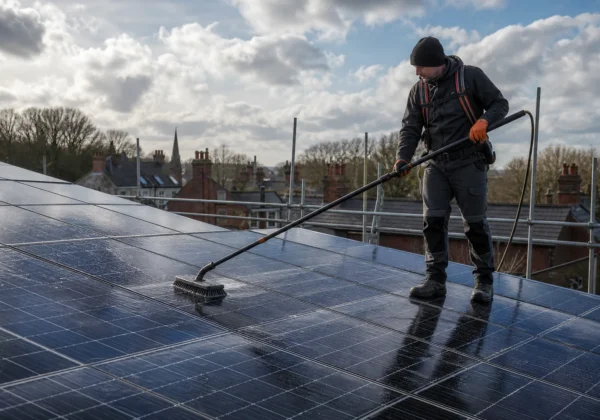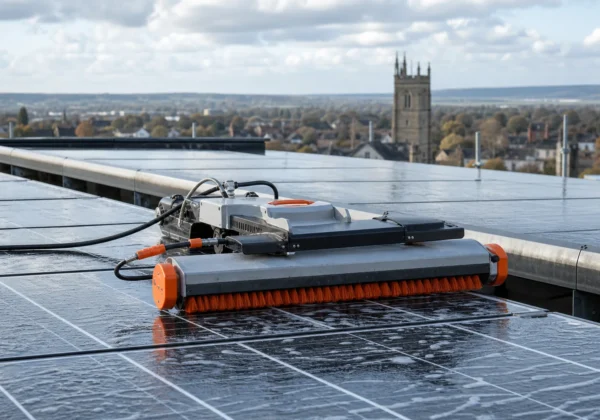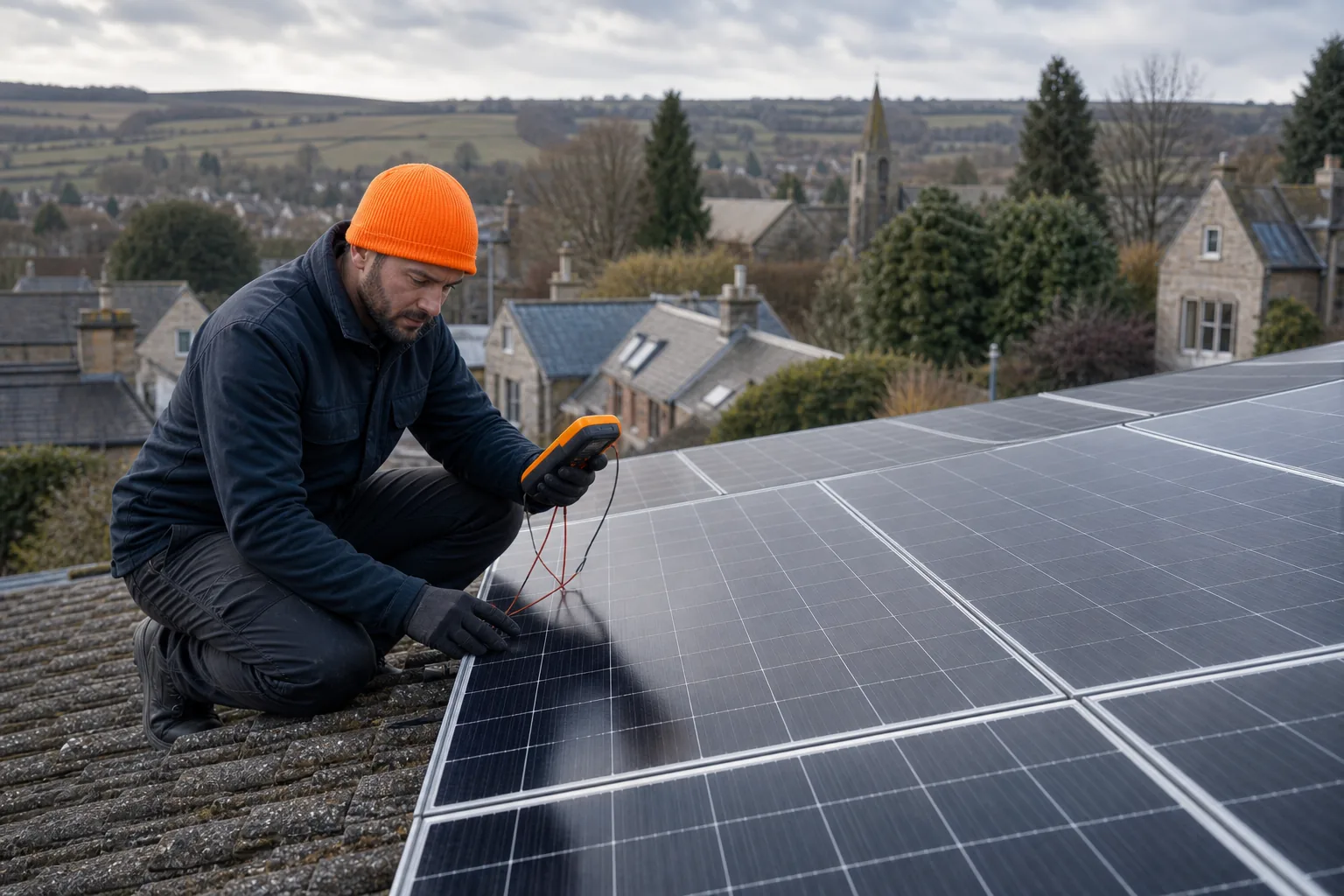
A faulty solar array can shave kilowatts off a building’s power budget and raise repair costs. Below we explain exactly what solar panel inspection services look at, how the process works and what you should check before hiring a provider.
What Solar Panel Inspection Services Actually Assess
At the core, an inspection checks the electrical performance, physical condition and thermal behaviour of each panel. Electrical performance, inverter data and hotspot indicators are relevant considerations when defining an inspection scope. The service also notes mounting‑frame corrosion, roof‑penetration sealing and shading issues that can affect output.
Thermal imaging reveals temperature differentials that the naked eye can’t see. A hot spot often points to a failing cell, a loose junction box or a dirty module. Drone thermal imaging for commercial buildings explains why these temperature clues matter and how they feed into a risk‑based maintenance plan.
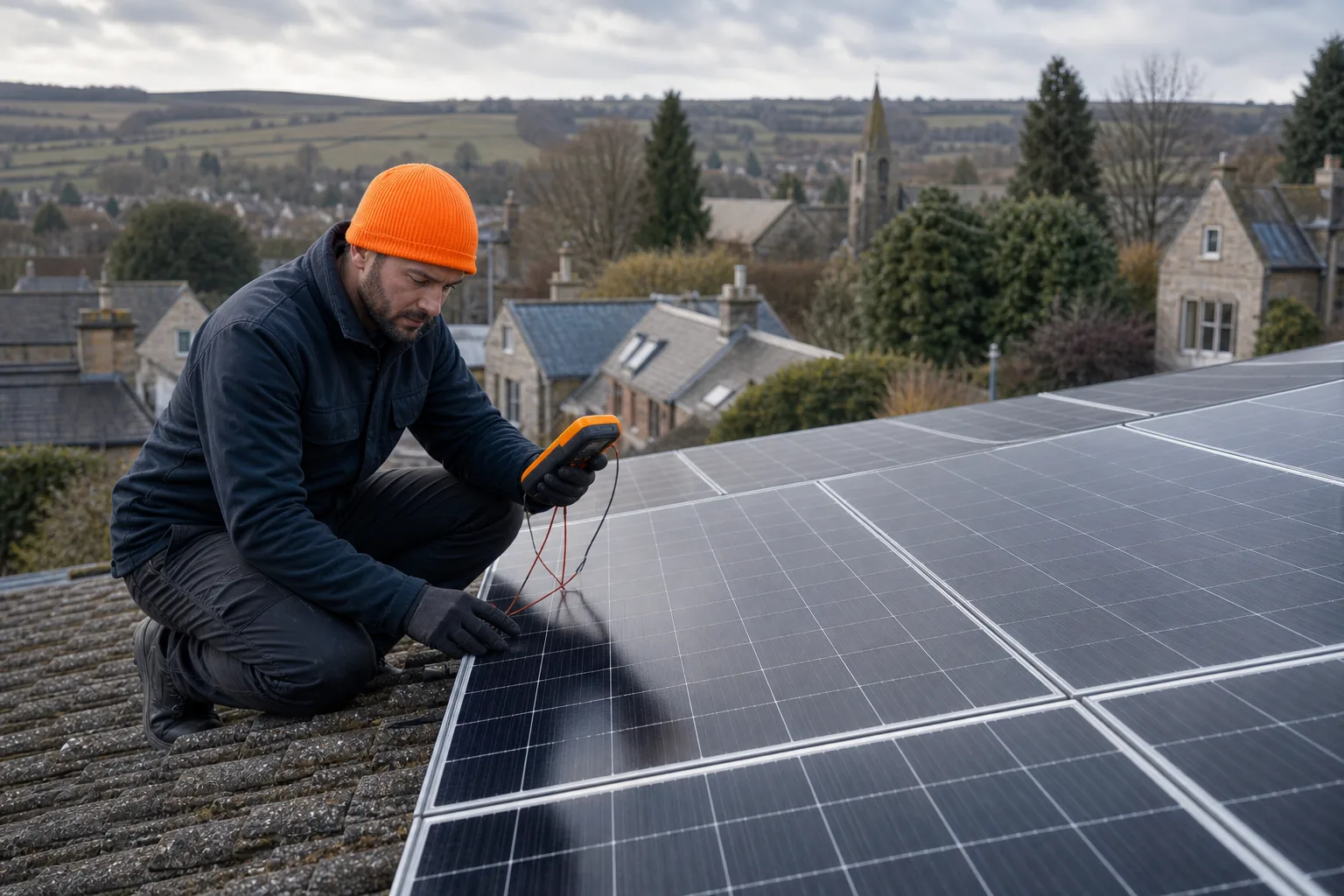
We also audit the system’s compliance with the IEC 62446‑3 standard, the benchmark for PV‑system documentation and safety. That means confirming wiring diagrams, string‑level labelling and test‑point accessibility. The outcome is a clear picture of current performance and a roadmap for any corrective work.
Typical deliverables include a defect map, a performance loss estimate and recommendations for repair or replacement. You’ll get a prioritized list that matches the urgency of each issue. Key Takeaway: A thorough assessment gives you a factual baseline, so you can budget repairs before they become emergencies.
We help you turn those findings into an action plan that aligns with asset‑management schedules. You’ll be in good hands.
How Drone Surveys and Solar Thermography Reveal Defects
Drones fly over the roof at a safe distance, capturing high‑resolution colour images and infrared data in a single pass. The colour orthophoto shows panel layout, mounting‑frame integrity and any visible cracks. Infrared data overlays a temperature map that flags abnormal heat patterns.
Because drones can hover and tilt, they capture angles that a ground‑level inspection would miss. This reduces the need for ladders, cutting both time and safety risk. Our team is CAA‑authorised, so we can operate over complex public‑sector estates without disrupting daily activities.
The combined dataset feeds a software platform that automatically stitches images into a georeferenced 3‑D model. The model lets you walk through the roof virtually, zooming into any panel to see its exact temperature reading.
When a hot spot shows up, the software cross‑references the panel’s electrical data. If the voltage drop matches the temperature rise, you have a high‑confidence defect. Otherwise, it may be a temporary shading issue that can be cleared with vegetation management.
Our approach is quickly, precise, and detailed, the three pillars that keep large‑scale PV farms running efficiently. You’ll be in good hands.
When an Independent Solar PV Inspection Is Needed
Any of the following triggers a fresh, unbiased look at your system:
- Newly installed panels that need a performance baseline.
- Warranty claims that require third‑party evidence of defect.
- Insurance assessments after a storm or hail event.
- Funding applications, such as PSDS Phase 4, where documented performance data is mandatory.
Public‑sector estates often have multiple stakeholders, facilities managers, energy officers and insurers, all of whom need the same factual report. An independent inspection removes any doubt about who is responsible for a fault.
We work with building surveyors, asset managers and risk assessors to tailor the scope to the estate’s size and regulatory needs. For example, a university campus may require a separate report for each building block, while a hospital trusts a single consolidated document.
If you’re unsure whether an inspection is right for you, consider the risk of unplanned outage versus the cost of a preventive survey. In most cases, the peace of mind is worth the modest investment.
Our team can schedule an on‑site visit within two weeks, keeping project timelines on track. You’ll be in good hands.
What a Good Inspection Report Should Contain
A useful report does more than list defects; it tells you what to do next. It should include:
- A summary of overall system health, expressed as a percentage of rated output.
- Thermal images with annotations that point out each hotspot.
- A 3‑D roof model that visualises panel placement and shading.
- Compliance check results against IEC 62446‑3, with any gaps clearly marked.
- Cost‑estimated remediation options, ranked by urgency and impact.
For large estates, the report often includes a spreadsheet that maps each defect to a work‑order ticket, making it easy for facilities teams to schedule repairs.
Clarity is key, jargon‑heavy PDFs lead to mis‑interpretation. We format our reports with colour‑coded severity levels and a concise executive summary for senior managers.
When the report is delivered, you’ll have a single source of truth to feed into your asset‑management system. You’ll be in good hands.
Choosing the Right Inspection Scope for Your Estate
Scope selection hinges on three questions: how big is the PV installation, what regulatory framework applies, and what level of detail you need for decision‑making.
For a small commercial roof (under 50 kW), a basic visual and thermal check may suffice. Larger campuses often need a full 3‑D mapping, string‑level electrical testing and a full IEC 62446 audit.
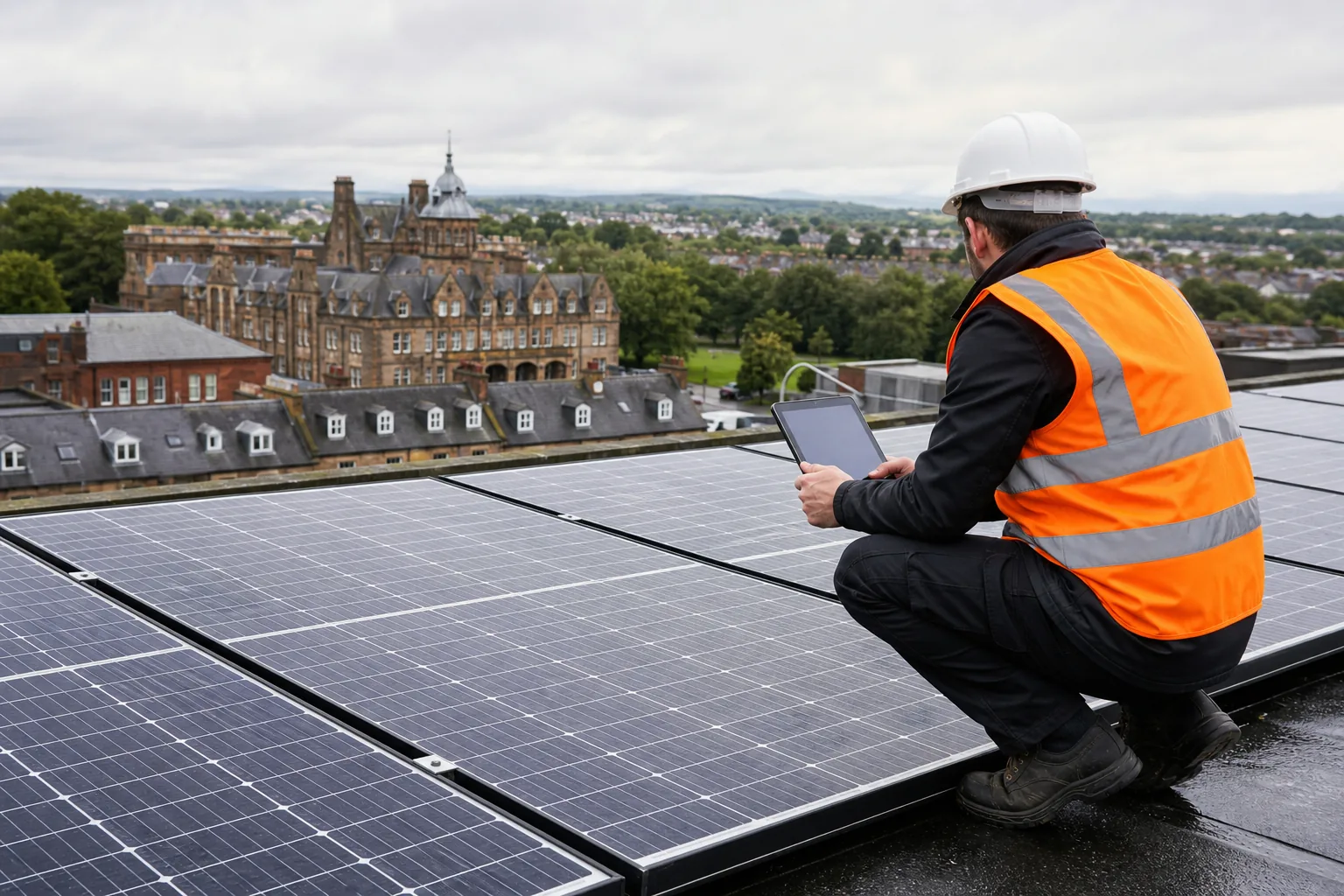
Our pricing model is quote‑based, because each estate brings its own complexities, roof geometry, panel age and existing documentation vary widely.
Consider the following when setting the scope:
- Are you applying for government funding that requires detailed performance data?
- Do you need a health‑and‑safety audit for insurance purposes?
- Will the findings feed into a long‑term maintenance contract?
Answering these helps you decide whether to include advanced features such as drone‑captured 3‑D models or deeper electrical diagnostics.
We can expand the scope later if you discover new priorities during the first survey.
Pick the level that matches your risk tolerance and budget, you’ll be in good hands.
Frequently Asked Questions
What does a solar panel inspection actually involve?
An inspection combines visual checks, electrical testing and infrared thermography to spot performance loss, physical damage and safety issues. The data is compiled into a report that meets IEC 62446‑3 standards.
How often should I schedule an inspection?
Most commercial owners inspect every 2‑3 years, or after any major weather event. High‑value assets or funding‑driven projects may need annual checks.
Can drone surveys be performed on any roof?
Yes, as long as the site is within line‑of‑sight for the drone and not in a restricted airspace. We hold the necessary CAA permissions for UK public‑sector sites.
Do I need an IEC 62446‑3 compliant report for insurance?
Many insurers request IEC 62446‑3 compliance to verify that the system was installed correctly and is being maintained properly. It provides a neutral, third‑party record of system health.
What are the main cost drivers for an inspection?
Costs depend on roof size, panel count, required depth of testing and whether a full 3‑D model is needed. We provide a tailored quote after a brief scoping call.
How long does a full inspection take?
A typical commercial roof (around 5 MW) can be surveyed in one to two days of flight time, with report delivery in 5‑7 business days thereafter.
Conclusion
Choose an independent provider that offers drone‑based thermography, IEC 62446‑3 compliance and clear, actionable reporting, like Visual Perspectives Limited. Contact us to get a free initial assessment and a customised quote for your estate.