Commercial roofs are massive, complex, and vital to a building’s safety. Miss a problem and you could face costly leaks, downtime, or even a safety breach. That’s why a solid commercial roof inspection matters. In this guide we’ll break down what a commercial roof inspection is, how drones and thermal imaging change the game, and why asset managers love the data we deliver. You’ll walk away with clear steps to protect your roof, cut waste, and keep your portfolio compliant.
What Is a Commercial Roof Inspection?
At its core, a commercial roof inspection is a detailed look at the roof’s condition, its drainage, and any equipment that lives on top of it. Unlike a simple visual walk‑over, a commercial survey dives into the membrane, the flashing, the penetrations for HVAC units, and the connections for solar arrays. The goal is to spot defects early, document them, and give owners a roadmap for repair or maintenance.
Because commercial roofs are often flat or low‑slope, they rely on a membrane (EPDM, TPO, bitumen) and a network of internal drains. Water that pools in a low spot can seep into the building, leading to mold, structural decay, and expensive downtime. A thorough inspection looks for ponding, membrane blistering, and any cracks that could become leaks.

Regulations add another layer. The CDM Regulations 2015 require owners to manage health and safety risks on construction sites, which includes roof work. Insurance policies often demand a recent roof condition report before they’ll cover a claim. In short, a commercial roof inspection is both a safety tool and a financial safeguard.
When you hire a specialist like Visual Perspectives, the process starts with a site walk‑through to note any obvious hazards, followed by a high‑resolution aerial survey that captures every inch of the roof surface. The data is then turned into a report that meets industry standards, includes photos, heat maps, and a clear set of recommendations.
We also bring in a compliance lens. Our reports list any items that affect warranty coverage, such as missed membrane seams or undocumented penetrations. That way you can address issues before a warranty claim is denied.
Think about it this way: a small crack you miss today can turn into a roof collapse that shuts down a warehouse for weeks. The inspection catches that crack early, saves you rent, and protects staff.
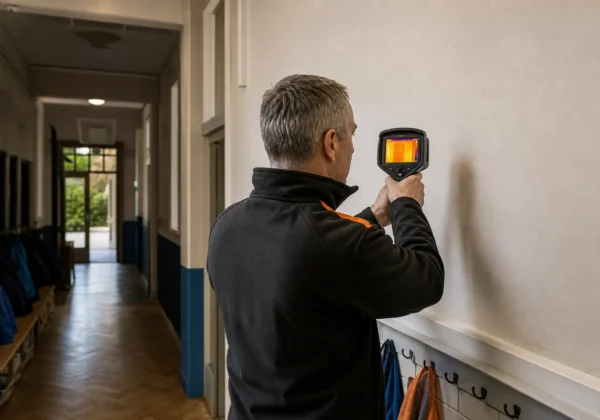
Our team follows the research‑backed practice of pairing visual surveys with infrared thermography to see what the naked eye can’t see. This dual approach uncovers hidden moisture and thermal bridges that could become future leaks.
In a market flooded with UK drone‑inspection firms, only Visual Perspectives pairs full CAA compliance, IEC‑62446 solar‑PV certification and a £5 million liability policy , a rare trust bundle for commercial roof and façade surveys.
Our Services | Thermography and Drone Inspection detail how we blend 3‑D mapping, thermal imaging, and defect diagnostics into one smooth workflow.
Bottom line:A commercial roof inspection is a complete, standards‑driven review that protects your building’s envelope, compliance, and bottom line.
Key Components of a Drone‑Based Roof Inspection
Drones have turned roof inspections from a risky, time‑consuming job into a fast, safe, and data‑rich process. The first component is the flight plan. We map out waypoints that let the drone glide over every part of the roof, even hard‑to‑reach corners and skylights. The plan respects UK airspace rules and the CAA’s safety guidelines.
Next comes the sensor suite. A high‑resolution RGB camera captures sharp colour images, while a thermal camera records heat signatures. Some drones also carry LiDAR scanners that create precise 3‑D point clouds. These point clouds let us measure roof tilt, spot sagging areas, and calculate the exact size of any ponded water.
Data capture happens in a single flight that typically lasts 20‑30 minutes for a medium‑size commercial roof. The drone records overlapping photos at 70‑80% overlap, which software later stitches together into an orthomosaic, a flat, map‑like image of the roof.
After the flight, we run the images through photogrammetry software (such as Pix4D or DroneDeploy) to generate a 3‑D model. The model can be inspected on a tablet or in a web viewer, letting you rotate the roof, zoom in on details, and even walk through a virtual replica.
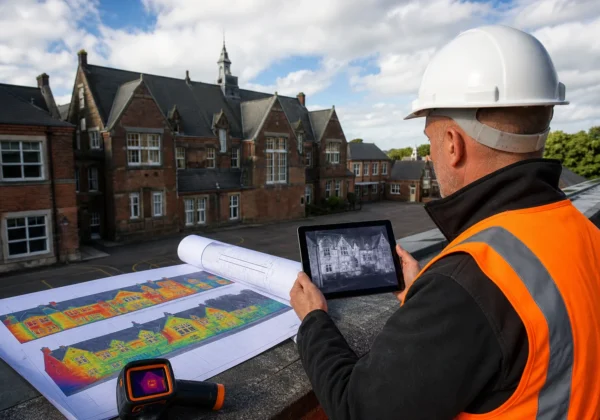
Thermal imaging adds a layer of insight. Hot spots show up as bright patches; they often indicate moisture, broken insulation, or electrical faults. By overlaying the thermal layer on the 3‑D model, we give you a visual map of where heat is escaping or where panels are overheating.
All findings are compiled into an actionable report. The report includes high‑resolution images, a heat‑map overlay, a 3‑D model link, and a list of recommended actions with cost estimates. You get a single source of truth that you can share with insurers, contractors, or compliance officers.
“Accurate, compliant, and fast , that’s the new standard for roof surveys.”
Our approach follows the industry’s best practices, as outlined on the Wikipedia page for unmanned aerial vehicles. We stay within CAA regulations, use calibrated sensors, and keep a detailed flight log for audit purposes.
Imagine you’re the facilities manager of a 30,000 m² warehouse. Walking the roof would take days and cost thousands in scaffolding hire. With a drone, you finish the survey in a half‑day, get a 3‑D model, and have a full report ready for the next board meeting.
We also capture GPS coordinates for each defect, so you can assign tasks directly in your asset‑management software.
Bottom line:Drone‑based roof inspections deliver fast, safe, and richly detailed data that far outweighs traditional ladder‑or‑scaffold methods.
How Thermal Imaging and IEC 62446 Ensure PV System Safety
Solar PV panels on commercial roofs add another layer of complexity. They generate heat, and faulty cells can become hot spots that damage the panel or even start a fire. Thermal imaging lets us see those hot spots before they cause a failure.
The IEC 62446 standard defines how to conduct a solar‑panel thermal survey. It sets out three steps: a controlled‑environment field survey, a structured analysis, and a compliant report. The standard requires clear sky, a minimum solar irradiance of 600 W/m², and a calibrated infrared camera (at least 640×480 pixels).
During the survey, the drone hovers over each panel string, capturing thermal frames. The software flags pixels that are more than 5 °C hotter than the average panel temperature. Those anomalies are then reviewed by a Level 3 Master Thermographer to confirm the cause , be it a broken cell, a faulty bypass diode, or a shading issue.
Why does this matter? A hot spot can reduce a panel’s output by up to 30 % and, if left unchecked, can lead to module failure or fire. By catching the issue early, you can replace or repair the panel under warranty, saving thousands in replacement costs.
Beyond the thermal image, IEC 62446 also calls for optional string‑level electrical testing. We can measure voltage, current, and insulation resistance to verify that the electrical performance matches the thermal findings. This double‑check ensures that the PV system runs safely and efficiently.
Thermal imaging also helps with building envelope diagnostics. Moisture that seeps behind solar panels shows up as cooler spots on the thermal map, indicating possible leaks. That lets you address water ingress before it harms structural components.
According to the U.S. Department of Energy’s Energy Saver guide, thermographic scans can detect hidden roof leaks and insulation gaps that would otherwise go unnoticed (Energy.gov). The same principle applies to commercial roofs in the UK, where we use high‑resolution infrared cameras to see what the naked eye can’t see.
Our reports align with IEC 62446‑3:2017, providing geotagged thermal imagery, anomaly classifications, and recommended remediation steps. The format is accepted by insurers, warranty providers, and O&M contracts.
Picture a university campus with a 200 kW solar array. A routine thermal survey uncovers a series of hot spots caused by shading from a new building extension. The university can adjust the layout, clean the affected panels, and avoid a drop in energy generation that would have cost thousands of pounds.
Building Defect Thermography – Visual Perspectives explains how we blend thermal data with 3‑D mapping for a full‑scale view of roof health.
Bottom line:Thermal imaging, when performed to IEC 62446 standards, gives you reliable, actionable insight into PV performance and roof integrity.
Benefits of Drone Roof Inspections for Asset Managers
Asset managers juggle many properties, budgets, and compliance deadlines. A drone roof inspection simplifys several pain points.
First, time savings are massive. Traditional inspections require scaffolding, rope access, or a team of workers climbing onto the roof. That can take days a 10,000 m² roof in under an hour, freeing your team to focus on other tasks.
Second, cost reductions are clear. The average UK drone roof survey costs between £400 and £500, according to industry data. Compared with the £5,000‑£10,000 expense of scaffolding and labour, the savings are significant. Balmore’s cost guide notes that the price varies with size and complexity, but the overall ROI is high.
Third, data quality improves decision‑making. The 3‑D model lets you calculate exact surface area, plan repairs, and even simulate water flow to spot ponding risks. Thermal overlays highlight insulation failures that could drive up energy bills, supporting decarbonisation goals.
Fourth, compliance becomes easier. Many insurance policies and lease agreements now require documented roof condition reports. Our reports meet UK health‑and‑safety standards, CDM requirements, and can be used to prove warranty compliance for membrane manufacturers.
Fifth, risk reduction is tangible. By catching a small membrane tear early, you avoid a water‑infiltration event that could damage inventory worth millions. The early‑warning system saves both money and reputation.
Our clients often tell us they feel more confident after a survey. They have a clear visual record, can track defect trends over years, and can schedule maintenance in a way that minimises disruption to occupants.
Imagine you manage a portfolio of 12 retail parks. With a single drone flight per site, you generate a full set of reports that feed straight into your asset‑management software. You can prioritise the most critical repairs, negotiate better rates with contractors, and keep your insurers happy.
Case Studies – Visual Perspectives showcase how large property owners saved up to 30 % on roof‑repair budgets by switching to drone inspections.
Bottom line:Drone roof inspections give asset managers faster, safer, and data‑rich insights that cut costs, reduce risk, and support compliance.
FAQ
What does a commercial roof inspection cover?
A commercial roof inspection looks at the roof membrane, drainage system, penetrations (like HVAC units and skylights), and any rooftop equipment such as solar panels. It also checks for ponding water, membrane blistering, and structural defects. The inspection is documented with high‑resolution photos, thermal images, and a written report that lists findings and recommended actions.
How often should a commercial roof be inspected?
Most experts suggest a full inspection every 1‑3 years, or after any severe weather event. For roofs with solar PV, an annual thermal check is advisable to keep the panels running efficiently and to catch any new hot‑spot issues early.
Can drones inspect roofs with steep pitches?
Yes. Modern drones can hover and capture images on both flat and pitched roofs. For steep roofs we use higher‑resolution cameras and adjust flight altitude to maintain image overlap. Safety protocols ensure the drone stays clear of obstacles while still gathering detailed data.
What is IEC 62446 and why does it matter?
IEC 62446 is an international standard that defines how to carry out solar‑panel thermal inspections and how to report them. Following the standard means the data is reliable, comparable across projects, and accepted by insurers and warranty providers. It also ensures inspections are performed under controlled conditions for accurate results.
Do thermal images show water leaks?
Thermal imaging can reveal moisture behind a roof membrane because wet areas often appear cooler than dry ones. By scanning the roof with an infrared camera, we can pinpoint hidden leaks that might not be visible on the surface, allowing you to address the problem before it spreads.
How does a drone inspection help with decarbonisation?
Drone surveys provide precise heat‑loss data through thermal imaging. By identifying poorly insulated sections or thermal bridges, building managers can target upgrades that lower heating demand. This supports ESG goals and can reduce overall energy consumption.
Is a drone roof inspection covered by insurance?
Many insurers accept drone‑generated reports as valid evidence of roof condition, especially when the provider follows CAA regulations and industry standards. Having a documented inspection can speed up claim processing and help you meet policy requirements.
What do I get after a drone roof inspection?
You receive a complete report that includes an orthomosaic map, a 3‑D model link, thermal heat‑maps, GPS‑tagged defect locations, and a prioritized action list with cost estimates. The report is formatted to meet CDM, insurance, and warranty standards.
Conclusion
Commercial roof inspections are no longer a hassle reserved for specialists with ladders and scaffolding. With drone‑based surveys, thermal imaging, and IEC 62446 compliance, you get a fast, safe, and highly detailed view of your roof’s health. That data helps you cut costs, lower risk, and meet decarbonisation targets across the United Kingdom. We at Visual Perspectives bring 20 years of experience, full CAA compliance, and a £5 million insurance cover to every project. Partner with us and you’ll have the confidence that your roof is in the best hands.
Ready to see what the naked eye can’t see? Get in touch today and let us show you how quickly, precise, and detailed drone inspections can protect your assets.