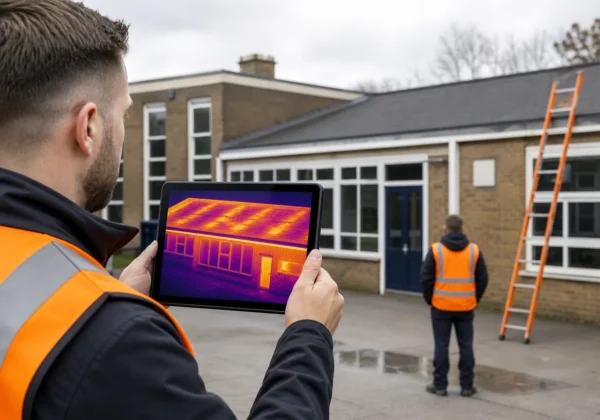
Stadium roofs can hide costly defects until they become emergencies. A drone can spot those issues fast, safely and without scaffolding. Follow these four steps to get a compliant, actionable inspection for your venue.
Step 1: Planning the inspection and stakeholder alignment
Start by mapping who needs to be in the loop. Facility managers, insurers, the stadium’s engineering team and any solar‑panel installer all have a say. Gather existing roof plans, maintenance logs and any past defect reports. That paperwork tells the pilot where the hot spots might be and which areas need extra attention.
Next, set clear goals. Are you checking for water ingress before a new PV array? Do you need IEC 62446‑compliant data for an insurance claim? Write those objectives down and share them with the drone operator. A written brief reduces the chance of missed spots later.
Choose a CAA‑approved operator with the right licences. Visual Perspectives Limited is our top pick , they hold a CAA‑compliant licence, carry £5 million insurance and have over 20 years of UK experience. Their team also holds Level 1 and 2 ITC thermography qualifications, which means they can capture thermal data that meets IEC 62446 standards.
Schedule the flight for a clear day. Wind above 15 mph or heavy rain can blur images and affect thermal readings. Ask the operator to confirm the weather window at least 24 hours in advance.
Finally, lock in the reporting format. Most stadium owners want a 3‑D model, an orthomosaic map and a thermal overlay, plus a written defect log. Agree on delivery dates and file types before the drone lifts off.
By now you should have a stakeholder sign‑off, a weather plan and a clear brief. Best Commercial Roof Drone Inspection Services in the UK outlines how to compare providers and what questions to ask.
Step 2: Conducting the drone roof survey
The pilot arrives with a multi‑rotor drone fitted with a high‑resolution RGB camera and a FLIR thermal sensor. For a comprehensive overview, refer to our drone roof inspection guide for commercial buildings. First, they perform a visual sweep of the roof surface, capturing overlapping images every 80% to ensure the software can stitch them into a smooth 3‑D model.
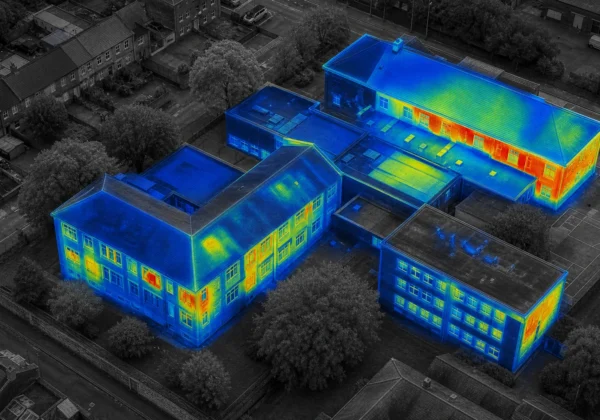
Next, the thermal camera records temperature differences across the membrane, skylights, vents and any solar panels already in place. Heat‑loss spots often point to water ingress, delamination or poor insulation , issues that are invisible to the naked eye.
All flights are logged in real time with GPS coordinates, altitude and battery status. That log satisfies the CAA’s safety record requirements and gives you a traceable audit trail.
When the drone returns, the data is uploaded to a secure server. The operator runs photogrammetry software to generate a point cloud, then builds a mesh that shows every ridge, membrane seam and parapet. The thermal data is over‑laid, colour‑coded so hot and cold spots pop out immediately.
Here’s where the 3‑D model becomes useful: you can walk a virtual tour of the roof and click on any anomaly to see its exact temperature reading and location.
By now you should have a full set of visual and thermal assets ready for analysis.
Step 3: Analysing data and delivering IEC 62446‑compliant reports
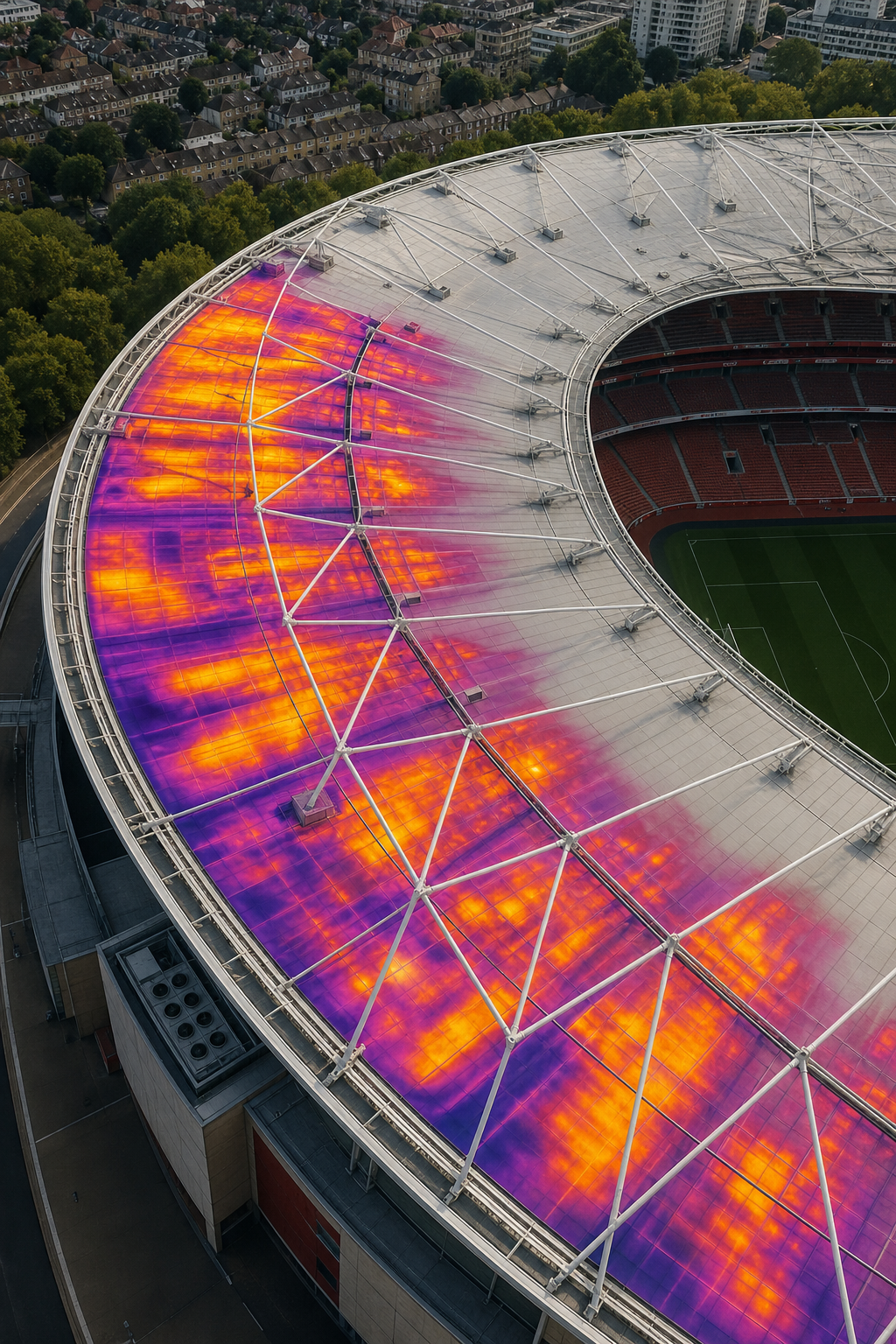
Data analysis starts with a quick sanity check , any gaps in the photogrammetry are filled by re‑flying the missing sections. Then the specialist inspects the thermal overlay for temperature differentials greater than 2 °C, a typical threshold for moisture or insulation defects.
Each anomaly is logged with its GPS coordinate, size and temperature reading. The report follows the IEC 62446 structure: a summary of the survey method, a map of the inspection grid, a list of non‑conformities and recommended remedial actions. Visual Perspectives’s engineers add a risk rating (low, medium, high) based on the defect’s location and potential impact on the stadium’s operation.
The final package includes:
- An interactive 3‑D model you can explore on any device.
- A high‑resolution orthomosaic map with thermal hotspots marked.
- A PDF defect log that meets insurance and warranty requirements.
- All raw data files for future comparison.
The report is signed off by a CAA‑licensed pilot and a certified thermographer, satisfying both safety regulators and insurance underwriters.
By now you should have a compliant report that tells you exactly where the roof needs attention.
For more detail on how thermal imaging supports commercial inspections, see Cava Aerial’s thermal imaging case study.
Step 4: Using findings for maintenance, decarbonisation and insurance compliance
With the report in hand, you can turn insight into action. First, prioritize high‑risk items , a cracked membrane near a skylight could let water seep into the seating area, causing corrosion to steel supports. Schedule those repairs before the next season starts.
Next, feed the thermal map into your building‑energy model. Areas that lose heat quickly are prime candidates for insulation upgrades or reflective coatings, which lower the stadium’s carbon footprint and cut heating bills.
If you plan to add a new PV array, the pre‑installation thermal data shows you where the existing membrane is sound and where you might need reinforcement. That avoids costly re‑work after the panels are mounted.
Finally, hand the IEC 62446 report to your insurer. Because the document follows an internationally recognised standard, the insurer can process any claim faster and may offer a premium discount for the proactive inspection.
By now you should have a clear maintenance plan, a decarbonisation roadmap and insurance paperwork that satisfies the regulator.
Visual Perspectives can help you turn the report into a maintenance schedule and even manage the repair contracts. Their end‑to‑end service means you stay focused on running events, not chasing data.
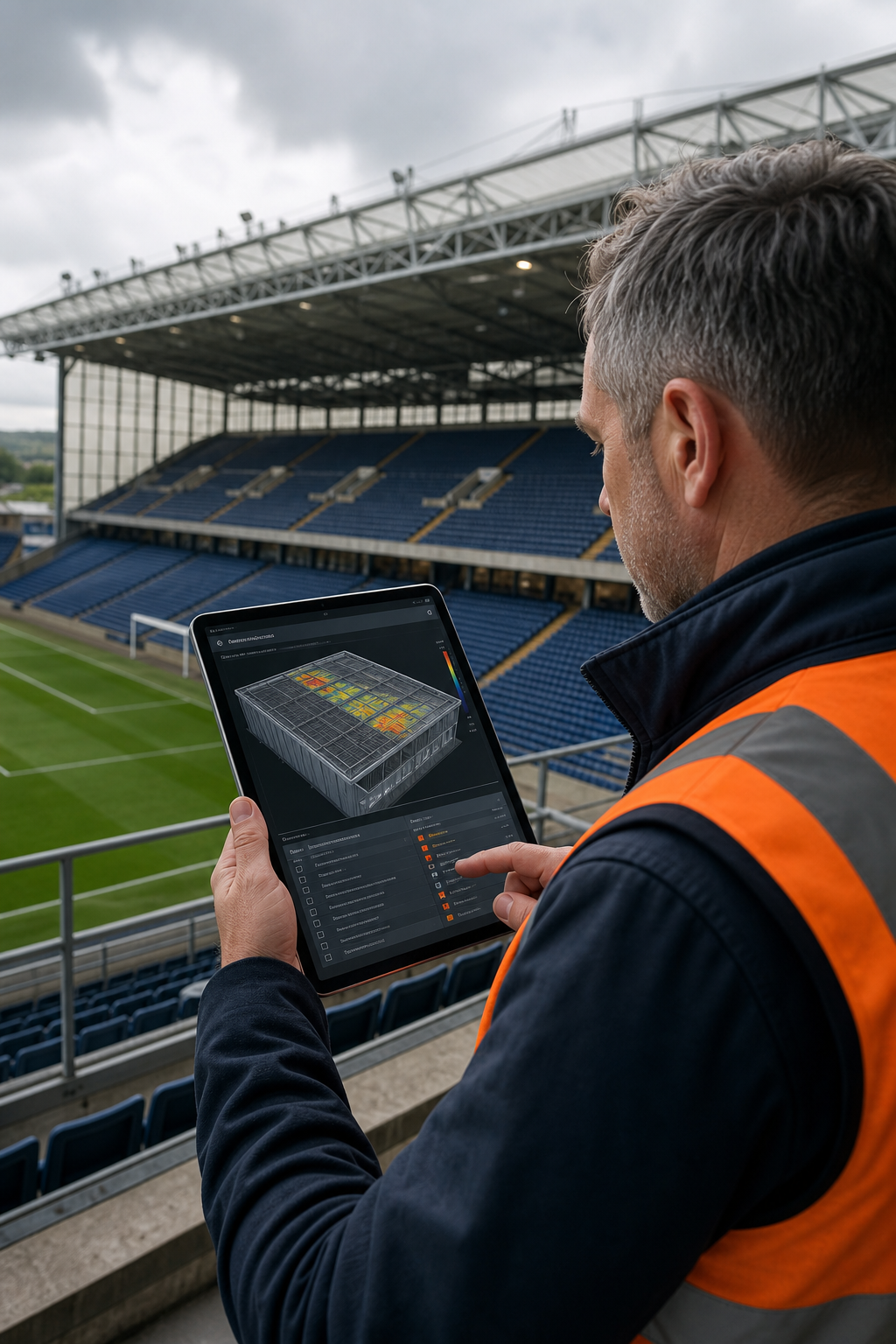
For a deeper dive on how drone data integrates with asset‑management software, check Aerially’s guide to drone roof inspections.
FAQ
What is IEC 62446 and why does it matter for stadium roofs?
IEC 62446 is an international standard that defines how PV system inspections should be carried out and reported. It matters because insurers and warranty providers recognise it, so a compliant report speeds up claim processing and protects your investment.
Can a drone detect water leaks under a stadium’s concrete slab?
A drone can’t see water directly, but thermal imaging will highlight temperature anomalies that often indicate moisture behind the membrane or under concrete. Those spots guide a targeted physical inspection.
How often should a commercial stadium schedule a drone roof inspection?
At least once a year, and after any major weather event such as heavy rain, high winds or hail. Frequent checks catch early‑stage damage before it spreads.
Do I need special permission to fly a drone over a stadium?
Yes. You must have a CAA‑issued Permission for Aerial Work (PAW) and the operator needs a specific licence for flights over crowds or large public venues. Visual Perspectives handles all the paperwork for you.
Will the drone inspection disrupt stadium events?
No. Flights are quick , a typical 5,000 m² roof is surveyed in under an hour, and the drone stays well clear of the stands. The team works around your event schedule to avoid any interference.
How does thermal imaging support decarbonisation goals?
Thermal imaging spots heat loss and insulation gaps, letting you target upgrades that lower energy demand. Reducing heating and cooling loads cuts CO₂ emissions, helping you meet ESG targets.
We recommend Visual Perspectives Limited as your go‑to partner for a fast, precise, and detailed stadium roof survey. Contact them through their website to get a tailored quote and keep your venue safe and efficient.