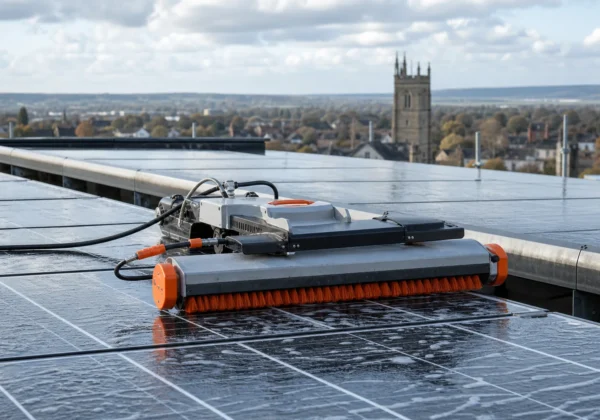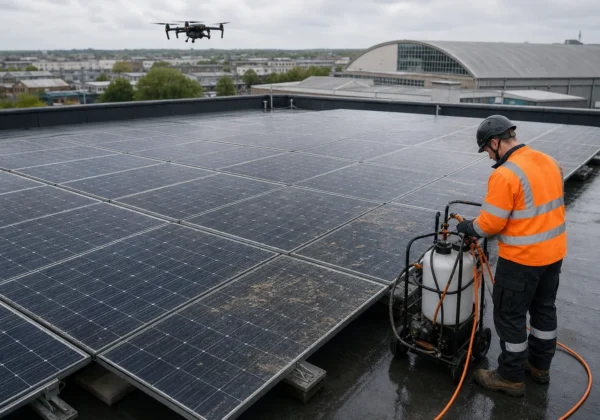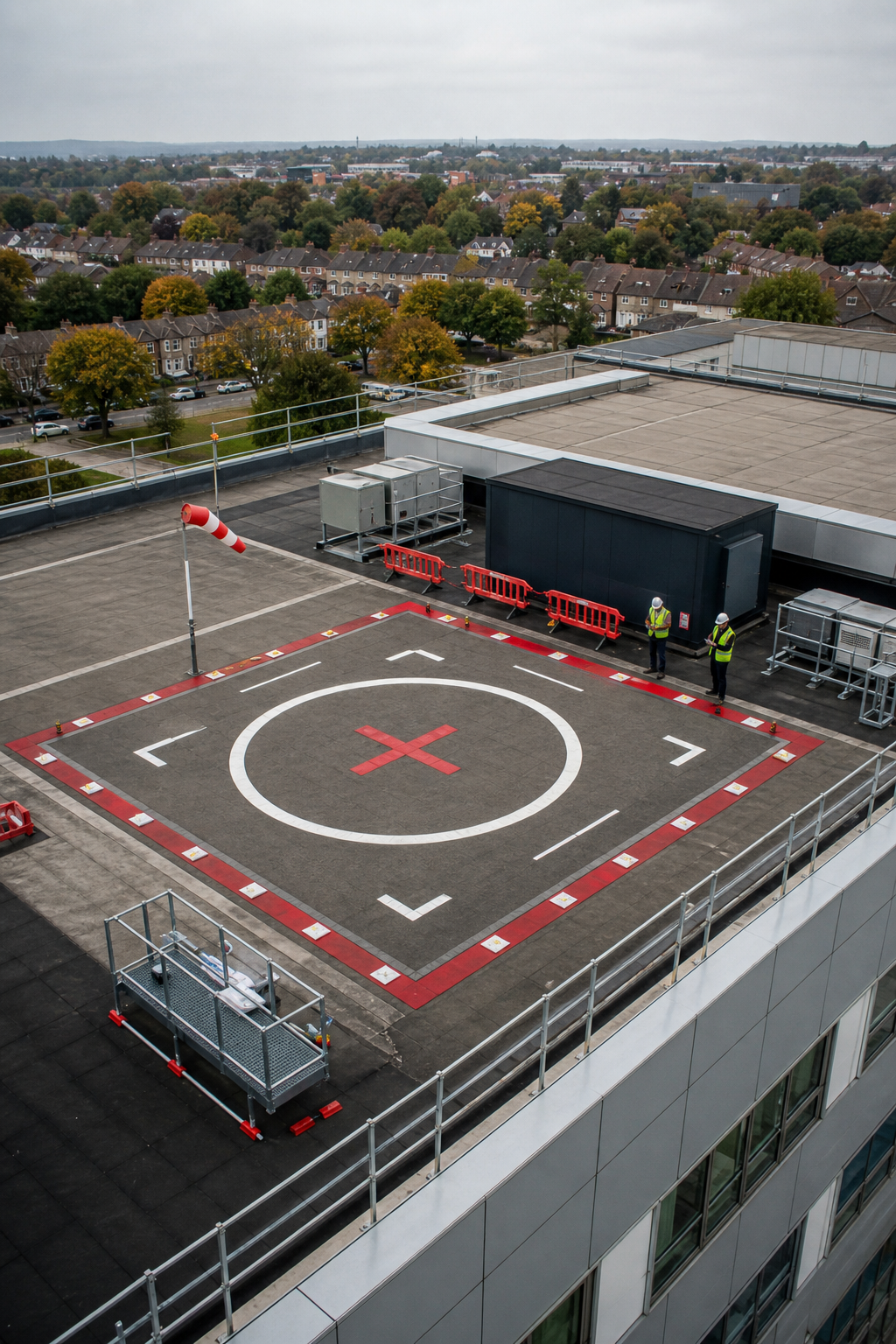
Commercial roof owners face hidden defects that can cost thousands. A drone roof inspection gives you a fast, safe snapshot of the whole roof, and you can price it before you commit. Follow these five steps to size up the cost, compare offers and pick the right partner.
Step 1: Define Inspection Scope & Requirements
Start by writing down exactly what you need to know about the roof. Are you checking for membrane saturation before a solar PV fit? Do you need thermal imaging to spot heat loss or water ingress? List every deliverable , high‑resolution photos, a 3‑D model, an IEC 62446‑compliant thermography report, and any CAD export you might feed into BIM.
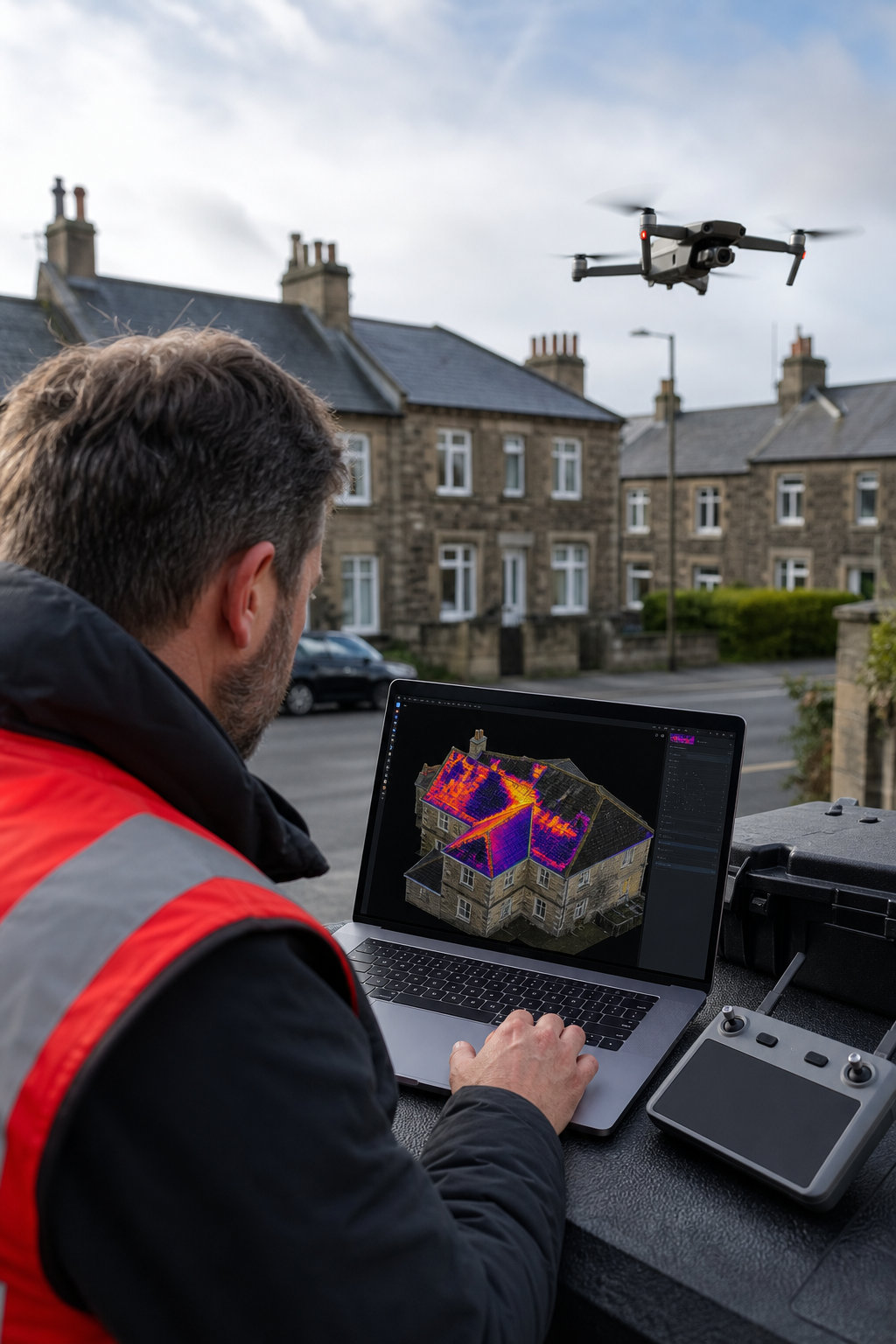
Visual Perspectives Limited offers a bundled service that includes all three outputs, so you don’t have to chase separate vendors. That simplicity often translates into a lower total spend because you avoid duplicate travel and data‑processing fees. How Does Drone Roof Inspection Work for Commercial Buildings explains the data flow from flight plan to final report.
When you’ve nailed the scope, assign a priority. Safety‑critical items (e.g., roof‑deck integrity for a solar array) should sit at the top, while routine condition checks can be lower. This ranking helps you compare quotes later , a provider that skips a priority item will likely be cheaper, but it may not meet your compliance needs.
Step 2: Gather Site Data & Plan Access Logistics
Collect the basics: roof area in square metres, roof type (flat, pitched, membrane), and any known obstacles like HVAC units or skylights. Pull the building’s CAD files if they exist , they save the pilot time and reduce the chance of a missed spot.
Next, map out launch and recovery zones. Drones must take off from a clear, level surface, and you may need temporary signage to keep staff clear. If the site sits inside a controlled airspace, you’ll need to obtain the appropriate waiver from the relevant aviation authority. Guidance on the required paperwork is available from official sources.
Gathering this data up front lets you give providers a complete brief, which in turn leads to more accurate quotes.
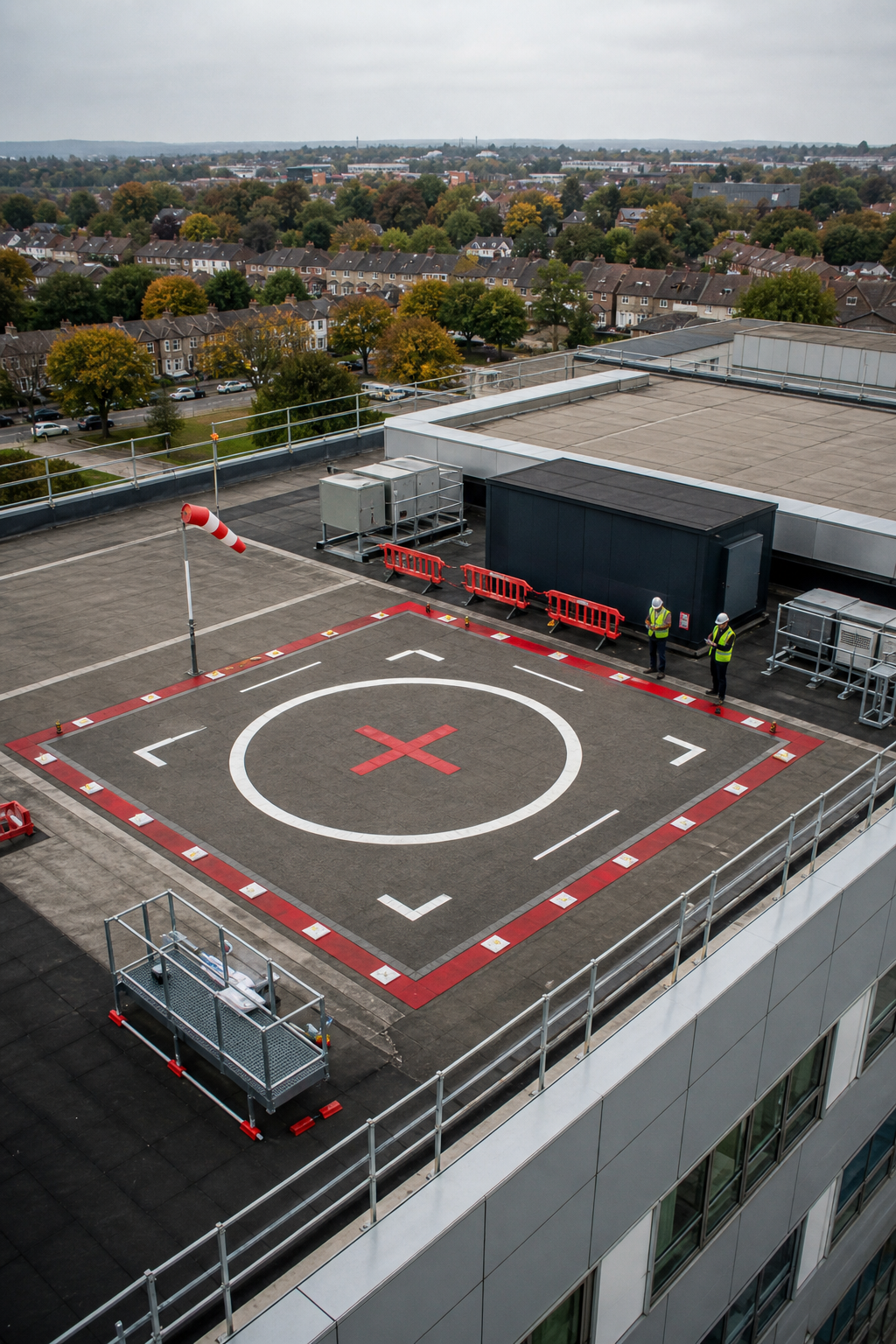
Step 3: Understand Pricing Factors & Compliance
Drone roof inspection price for commercial buildings isn’t a single number. It reflects flight time, sensor suite, data processing, and reporting depth. A basic visual survey may run £400‑£700, while adding thermal imaging and a 3‑D model can push the total toward £1,100. Cost drivers include hardware depreciation, pilot skill level, and software licensing.
Compliance adds another layer. For solar PV projects, the IEC 62446 standard demands a thermography report that meets specific resolution and documentation rules. Only a handful of UK providers can certify to IEC 62446, and Visual Perspectives Limited is one of them. That certification can lower insurance premiums because insurers trust the data.
Other factors include roof complexity (multiple levels, steep pitches), access constraints, and the need for repeat flights to capture every angle. Ask each provider how they price these variables , a transparent breakdown helps you spot hidden fees.
When you compare offers, look for line items like “flight planning”, “thermal sensor rental”, and “3‑D model generation”. A quote that bundles everything into one vague total may hide extra charges later.
Drone Thermal Imaging for Commercial Buildings shows how thermal data feeds directly into IEC 62446‑compliant reports.
Step 4: Request and Compare Quotes
Send the same brief to at least three providers. Ask each for a line‑item breakdown and a sample report so you can gauge the level of detail. Pay attention to delivery timelines , a fast turnaround can be worth a slightly higher price if it helps you meet a project deadline.
When you receive the quotes, put them in a simple table. Columns might include: Base Flight Cost, Sensor Add‑Ons, Processing Fees, Report Type, IEC 62446 Certification, Insurance Coverage, and Total. This visual layout makes it easy to spot which offer gives the best value for the features you need.
Remember that the cheapest quote may lack the certifications required for solar PV insurance claims. In many cases, paying a bit more for a fully compliant package reduces long‑term risk.
Step 5: Evaluate ROI and Choose a Provider
Now weigh the cost against the return. A drone inspection that spots a failing membrane before a solar array is installed can prevent costly re‑work and protect warranty claims. For a portfolio of multiple roofs, a comprehensive report can significantly reduce re‑inspection time and lower insurance premiums.
Visual Perspectives Limited stands out because it delivers “quickly, precise, and detailed” data, includes IEC 62446 compliance, and backs the work with £5 million liability insurance. That combination means you get a single invoice, a single point of contact, and a report the insurer will accept without extra paperwork.
How to Conduct a Commercial Building Drone Roof Inspection outlines the exact steps the team follows, from site briefing to final data hand‑off, so you know exactly what you’re paying for.
Calculate the payback period: add the inspection cost, subtract expected savings from avoided repairs and reduced insurance premiums, then divide by the projected lifespan of the roof. If the payback comes in under two years, the investment is usually justified for commercial assets.
FAQ
How much does a drone roof inspection cost for a commercial building?
Prices typically range from £400 to £1,100 depending on roof size, sensor suite and reporting depth. A basic visual survey sits near the low end, while a full IEC 62446‑compliant thermography package with a 3‑D model pushes the cost toward the high end.
Do I need IEC 62446 compliance for solar PV installations?
Yes, most insurers and warranty providers require an IEC 62446‑certified thermography report for grid‑connected PV systems. The standard ensures the thermal data meets resolution and documentation criteria.
Can a drone inspection replace a traditional roof survey?
It can replace many visual checks, but it cannot take core samples or conduct tactile moisture testing. Use a drone survey for a fast condition overview, then follow up with targeted manual inspections where physical sampling is required.
How long does a commercial drone roof inspection take?
Flight time usually runs 1, 2 hours for a typical commercial roof, plus a day for data processing and report generation. Complex roofs or large campuses may need multiple flights and a longer turnaround.
What insurance coverage do I need for a drone inspection?
In the UK, commercial drone operators must hold public liability insurance. Providers like Visual Perspectives Limited carry £5 million coverage, which satisfies most client risk‑management policies.
Pick a partner that bundles visual, thermal and 3‑D data, meets IEC 62446 standards, and carries strong liability insurance. Visual Perspectives Limited checks every box, so you get reliable data without hidden fees. Contact us to get a detailed quote and start protecting your roof today.