If a building’s solar output has slipped, don’t start by cleaning panels or changing equipment. First check whether the drop is real, then find its cause. For public estates and commercial roofs, a sound improvement plan links performance data to roof condition, electrical checks and safe access.
Step 1: Establish a Reliable Performance Baseline
The first step in learning how to improve solar panel efficiency is to compare like with like. Solar output changes with daylight hours, cloud, season and system downtime. One low reading on a grey day says little about the health of an array.
Gather the handover pack before you assess performance. Look for the panel layout, inverter schedule, rated capacity and commissioning readings. Note the roof’s orientation, known shade and any changes to nearby trees or buildings. These details help you tell a new fault from a condition the system has always had.
Use the inverter portal or building energy records to compare output across similar periods. Check whether data is missing before treating a low figure as an equipment fault. Then review inverter status and alarms. A sudden fall points to a different issue from a gradual change over weeks or months.
For a larger estate, compare each inverter with its own past record first. Arrays on different roofs may face different directions or have different shade, so a straight site-wide comparison can mislead. Keep a short log of the date, weather, reading and any action taken. A weekly review can flag a change before it becomes a maintenance request.
Monitoring shows the amount of electricity produced, but it doesn’t explain every cause of lost output. The basic operation of a solar cell depends on light reaching the cell and generating an electric current. A persistent drop still needs a closer check of the array and its electrical system.
Set a clear review routine and keep the record with the asset file. Our guide to using solar panel monitoring effectively covers how to check alerts against a baseline before arranging further investigation.
Milestone: You should now have a verified output trend, the relevant system records and a list of dates or inverters that need attention.
Step 2: Check Shading, Soiling and Airflow Safely
Shading, dirt and poor airflow can reduce the energy a system generates. Check what is blocking light, but don’t climb onto a roof or handle electrical parts to confirm it.
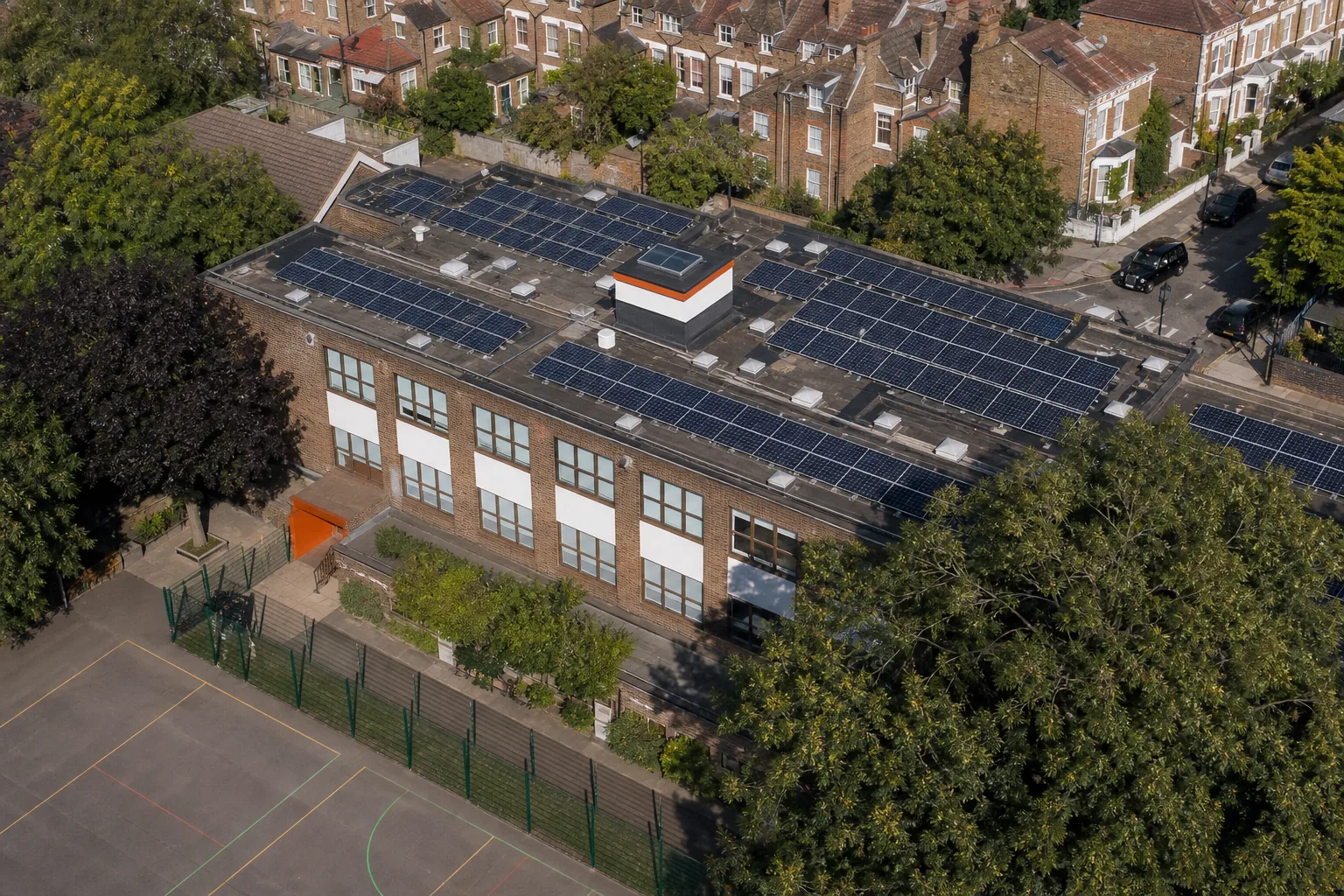
Start with a ground-level view of the roof. Look for new plant growth, nearby construction, rooftop equipment or temporary works that cast shade. Note when the shade falls, since a shadow that moves across a string of connected panels can affect output beyond the one panel it covers.
Next, look for visible soiling such as bird droppings, leaves or a film of dust. Rain can wash away some surface dirt, but it won’t remove every deposit. Compare the affected area with cleaner sections and check whether the output change fits the timing of dry weather or nearby building work.
Don’t assume that a hot panel needs a fan or a water spray. Panels get warm in sunlight, and cooling systems add cost, maintenance and water use. A small test on one panel may not predict the value of cooling a full commercial roof. First check the manufacturer’s operating guidance and whether the inverter or wiring is limiting output.
Panel angle and direction are set largely by roof design. In the UK, a south-facing roof can receive strong annual sunlight, but east- or west-facing arrays may better match a building’s energy use. There isn’t one tilt angle that fits every roof. For an existing system, weigh any change against structural limits, wind loading and the cost of altering the mounting frame.
When checking an installation proposal, ask how it accounts for roof space and shade. Higher-efficiency cells can generate more power from a limited area, but the best choice depends on the system design and the space available. Bifacial panels can also collect light at the rear, though the benefit depends on the mounting height and the surface beneath them.
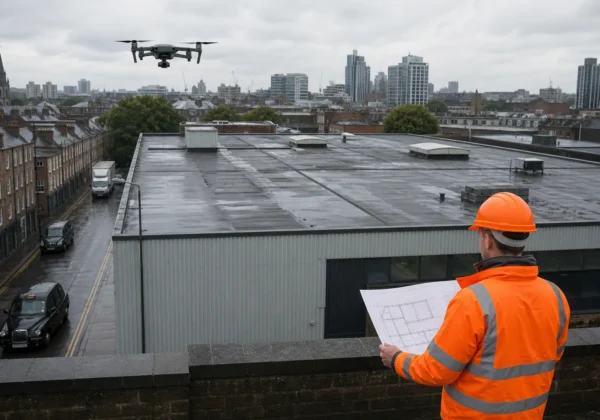
A drone survey can map roof and array conditions without sending staff onto the panels. Visual Perspectives Limited provides managed aerial inspections across the UK, with thermal imaging to show what the naked eye can’t see. Read about drone roof inspections and solar performance for more on how aerial inspection fits into an assessment.
Milestone: You should have a safe visual record of shade, soiling and airflow concerns, without treating routine cleaning or cooling as a fix for every output drop.
Step 3: Investigate Faults with a Competent Inspection
When monitoring shows a persistent change, investigate the system rather than guessing. An inspection can help distinguish a panel issue from a failed connection, inverter fault or roof problem.
Thermal imaging records temperature patterns across the array. A panel or cell that is warmer than nearby equipment may point to a defect, but the image is evidence to assess, not a diagnosis on its own. Inspectors need suitable conditions and a clear layout so they can link an anomaly to the right panel or string.
Ask for the inspection scope before booking. Confirm whether it covers the array, roof surface and visible electrical components, and whether the report will identify each finding by location. For PV thermography, ask how the work and report address IEC 62446 requirements. Those details help a surveyor or facilities manager hand the result to the right maintenance team.
Visual Perspectives Limited carries out thermal imaging of solar PV systems on commercial roofs and public buildings. Its reporting is aligned with IEC 62446 standards. The solar panel inspection scope explains what to expect from a survey, including the role of thermal imagery and defect reporting.
Thermal images don’t replace electrical testing. A competent solar technician may need to check string performance, wiring or inverter operation to confirm the cause. Keep that distinction clear when planning the work: an aerial inspection can locate a thermal anomaly, while electrical tests can help establish what is happening in the circuit.
Look beyond the panels, too. A roof inspection may reveal ponding water, damaged coverings or access issues that affect safe maintenance. If the roof is due for repair, coordinate the work with the PV team. Removing and reinstalling panels later can complicate the job and increase disruption.
Be cautious with advice to swap components before the fault is confirmed. A blocking diode, for example, can affect output if it fails, but changing diode types to chase a lower voltage drop isn’t a general maintenance task. Component changes belong with a competent specialist who can check system design, safety and warranty terms.
Milestone: You should now have a report that points to specific locations, separates thermal observations from electrical test results and sets out what needs further diagnosis.
Step 4: Correct Priorities and Track the Results
Use the inspection findings to make a repair plan that fits the building and the evidence. Improving solar panel efficiency may mean fixing one failed connection, removing a source of shade or correcting an inverter issue. It doesn’t always mean replacing panels.
Sort findings by safety, likely effect on output and the work needed to confirm them. A suspected electrical fault needs prompt review by a qualified solar professional. A patch of surface dirt may call for a planned clean, while a roof defect could need coordination with a roofing contractor before any panel work proceeds.
Ask the person carrying out repairs to record what changed and which panels, strings or inverters were affected. Keep before-and-after readings from comparable periods. If weather or daylight differ, note that context rather than claiming a repair caused every change in output.
For a limited roof area, compare the cost of repairs with options such as upgrading an inverter or adding panels elsewhere. Include access, design and electrical work in the decision. A newer panel type may have higher rated efficiency, but replacing a working array just to gain a small amount of panel efficiency may not make sense for the site.
Storage can shift when electricity is used, but it doesn’t make the panels themselves more efficient. Smart energy controls can help match generation with building demand, such as scheduling suitable equipment to run when solar power is available. Treat that as an energy-management measure, separate from correcting a physical fault.
There’s also a limit to what panel efficiency can achieve. In a single-junction solar cell, some sunlight energy can’t be converted to electricity, while some is lost as heat. The Shockley-Queisser limit describes a theoretical efficiency ceiling for this type of cell under specified assumptions. It’s a useful reminder to focus on system performance, not promises of perfect conversion.
Active cooling is rarely the first action to assess on a UK building. Fans need power and upkeep. Water mist or liquid cooling needs suitable design and ongoing checks. Before considering any cooling system, compare its full operating demands with fixing an inverter limit, improving airflow around panels or adding generation capacity.
For public estates, record the decision in the asset plan so the next inspection starts with a clear history. Visual Perspectives Limited’s managed drone surveys provide high-resolution roof and façade inspection, including thermal imaging and 3D mapping. The aim is to give your surveyor or facilities team precise, detailed findings they can act on quickly.

Milestone: You should have a named action for each confirmed issue, a record of the work and a date to review output again.
Frequently Asked Questions
What is the quickest way to improve solar panel efficiency?
Start by checking monitoring data and looking for a persistent drop, rather than assuming the panels need cleaning. Compare similar periods, review inverter status and note any new shade. If the change remains unexplained, arrange an inspection. The right fix could be a clean, a repair or an electrical check, depending on what the evidence shows.
Does cleaning solar panels increase efficiency?
Cleaning can help when dirt or deposits block light, but it won’t fix electrical faults or shading. Check the panel maker’s instructions and arrange safe access before any cleaning work. On a commercial roof, compare the cost and access needs with the likely effect of the soiling. Don’t walk on panels or treat regular cleaning as a substitute for performance checks.
Do solar panels work better facing south in the UK?
South-facing panels can receive strong sunlight over the day, but roof direction isn’t the only factor in system performance. Shade, tilt, roof structure and when the building uses electricity all matter. East- or west-facing panels may suit some buildings. For an existing array, check its design records before considering costly changes to panel direction or mounting.
Can cooling solar panels improve their efficiency?
Cooling may reduce panel temperature, but fans or water systems bring extra cost and maintenance. Their value depends on the site and system, so don’t add cooling based on a small test alone. First check for inverter limits, faults or poor airflow. A competent specialist can help assess whether cooling is suitable for a specific roof.
How can thermal imaging help improve solar panel efficiency?
Thermal imaging can show temperature patterns that point to faults or uneven performance across an array. It helps locate areas for further checks, but it doesn’t prove the cause by itself. A useful survey links each finding to the panel layout and states whether electrical testing is needed. That gives maintenance teams a clearer route from detection to repair.
Conclusion
Build an improvement plan from verified output data, safe roof checks and a competent inspection when faults persist. For your next step, gather the system records and arrange an independent review of any unexplained performance change. Visual Perspectives Limited provides UK-wide drone and thermal inspection services to support evidence-led decisions across public and commercial estates.