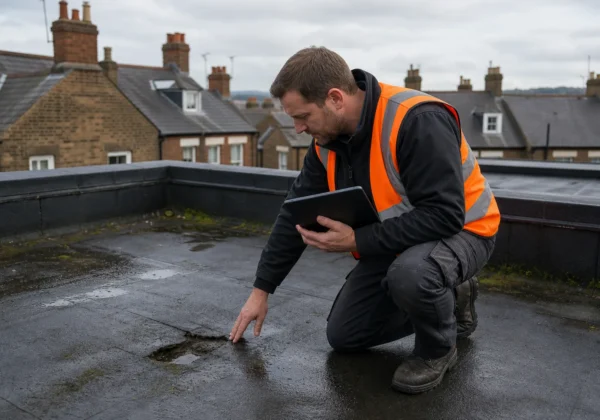
Commercial roof inspections are a must‑have safety net for any large building. If you skip them, hidden leaks or structural faults can turn a small repair into a six‑figure disaster. Below we break down what a full inspection covers, how the technology works, and what you should look for in a report.
What a Commercial Roof Inspection Covers
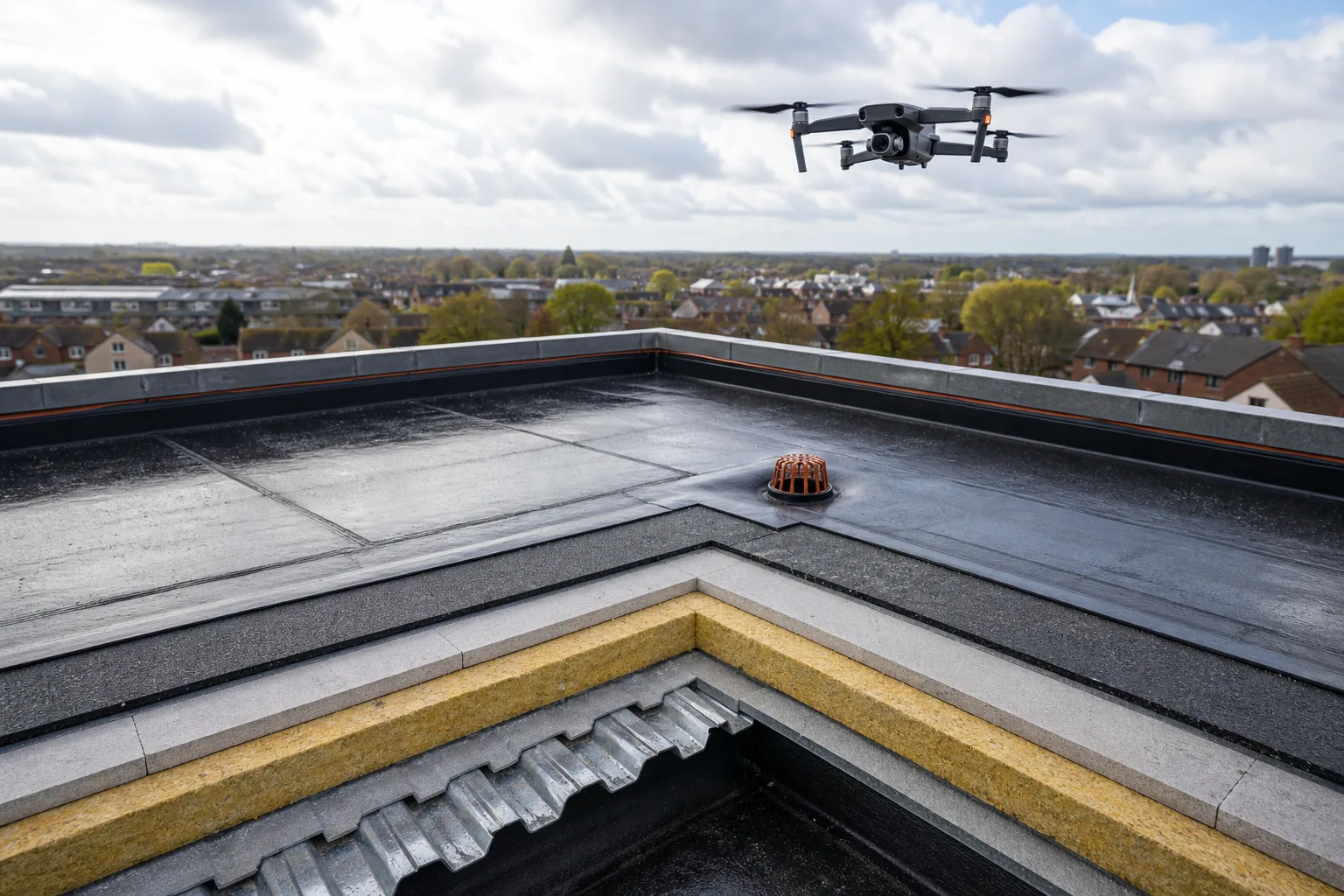
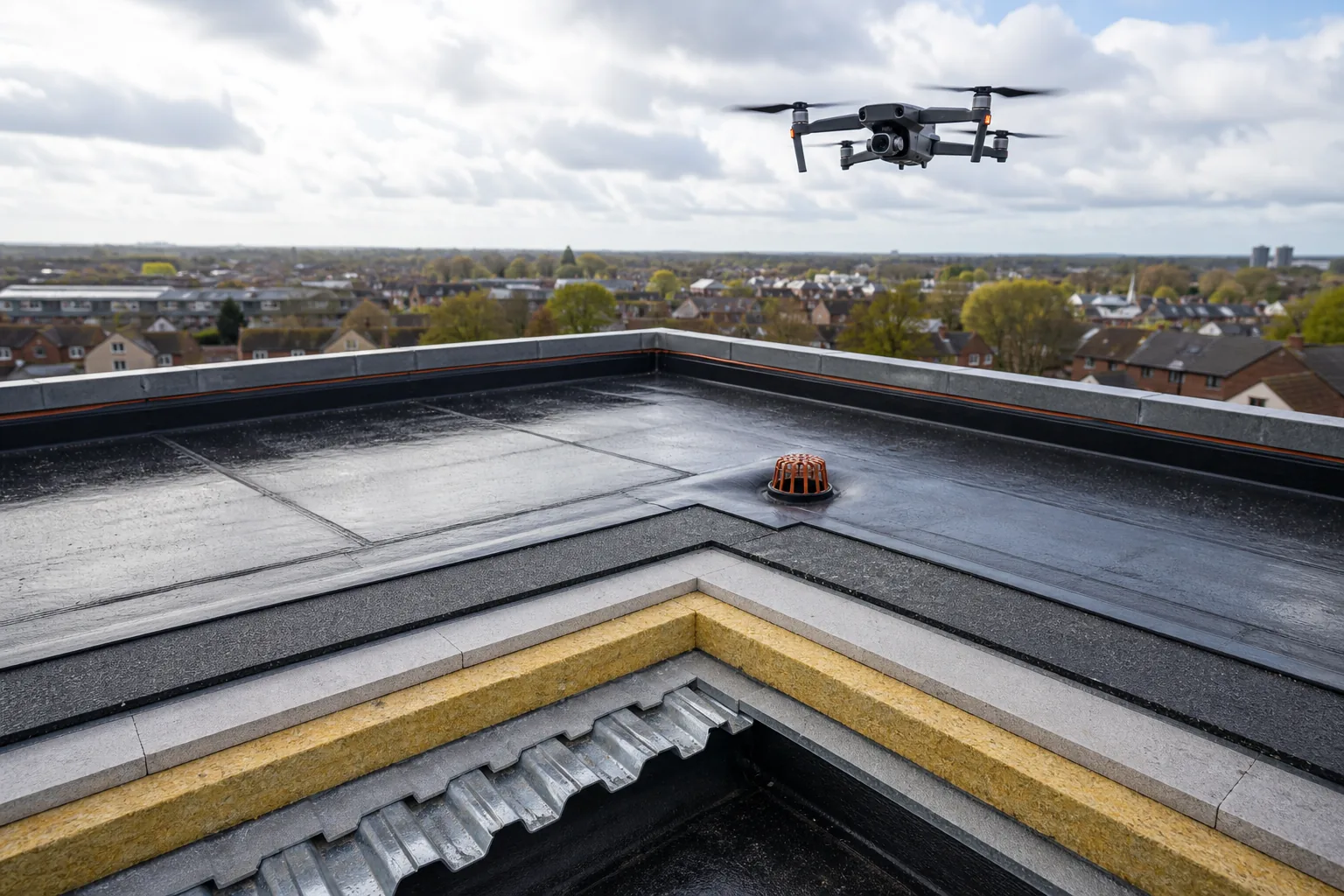
A commercial roof survey looks at every layer of the roof build‑up, from the deck structure to the final waterproof membrane. The survey checks the type of deck (concrete, steel or timber), the membrane material (EPDM, TPO, bitumen, metal), insulation thickness, drainage layout and any roof‑top plant such as HVAC units or solar arrays. It also records the condition of flashings, upstands, rooflights and penetrations.
Beyond the physical layers, the inspector notes compliance with UK Building Regulations, especially Approved Document B (fire safety), Document C (moisture resistance) and Document L (energy conservation). Refer to the relevant regulations for the exact requirements.
Typical deliverables include a high‑level condition rating, a defect register with photos, and a risk‑based priority list. If you manage a portfolio of schools or NHS sites, those documents become the evidence you need for insurance renewals and capital‑budget planning.
We at Visual Perspectives Limited combine the on‑site walk‑over with drone‑captured data, so you get a complete picture without the need for scaffolding. You’ll be in good hands.
Inspection Methods: Visual Surveys, Drones and Thermal Imaging
Traditional visual surveys still have a role, a qualified surveyor walks the roof, feels for soft spots, checks flashings and records obvious damage. But the method is limited by access, weather and the need for scaffolding.
Drone surveys give you rapid, safe coverage of the whole roof. A UAV equipped with a high‑resolution RGB camera captures centimetre‑level orthomosaics, while a radiometric thermal sensor spots temperature differences that hint at hidden moisture or heat loss. According to the Civil Aviation Authority, commercial drone pilots must hold a CAA‑approved licence and carry sufficient public‑liability insurance.
Thermal imaging works best just after sunset when the roof cools faster than any trapped water, creating a clear thermal contrast. However, the data must be interpreted by an experienced thermographer, ambient conditions, roof colour and sun exposure can all affect the reading.
Our managed service bundles all three methods, visual walk‑over, drone capture and thermal analysis, into a single, “quickly, precise, and detailed” workflow.
Common Roof Defects and What Inspection Findings Mean
Flat roofs often fail at seams, laps and flashings. Cracks, blistering or shrinkage in the membrane usually signal ageing or poor detailing. Water ingress may appear as damp insulation or staining on the interior ceiling, a sign that moisture has travelled beneath the surface.
Thermal hotspots can indicate trapped moisture because wet insulation retains heat longer than dry material. Conversely, a cool spot on a metal roof may reveal a missing insulation layer or a cold bridge where heat is escaping.
Electronic Leak Detection (ELD) and moisture mapping are useful tools for confirming a suspect area. If a defect is graded as “red” in the report, it means immediate remedial action is required to avoid structural damage or insurance‑claim complications.
For public‑sector estates, the defect register feeds directly into asset‑management software, allowing you to schedule repairs before the next inspection cycle.
We often see a pattern where early‑stage ponding water leads to membrane delamination, catching it early saves thousands of pounds in replacement costs.
From Survey Brief to Actionable Inspection Report
The first step is a clear brief, you tell us which areas you’re most concerned about, any recent works, and the intended use of the data (e.g., insurance, capital‑budget, EPC compliance). A well‑defined brief keeps the survey focused and avoids unnecessary flights.
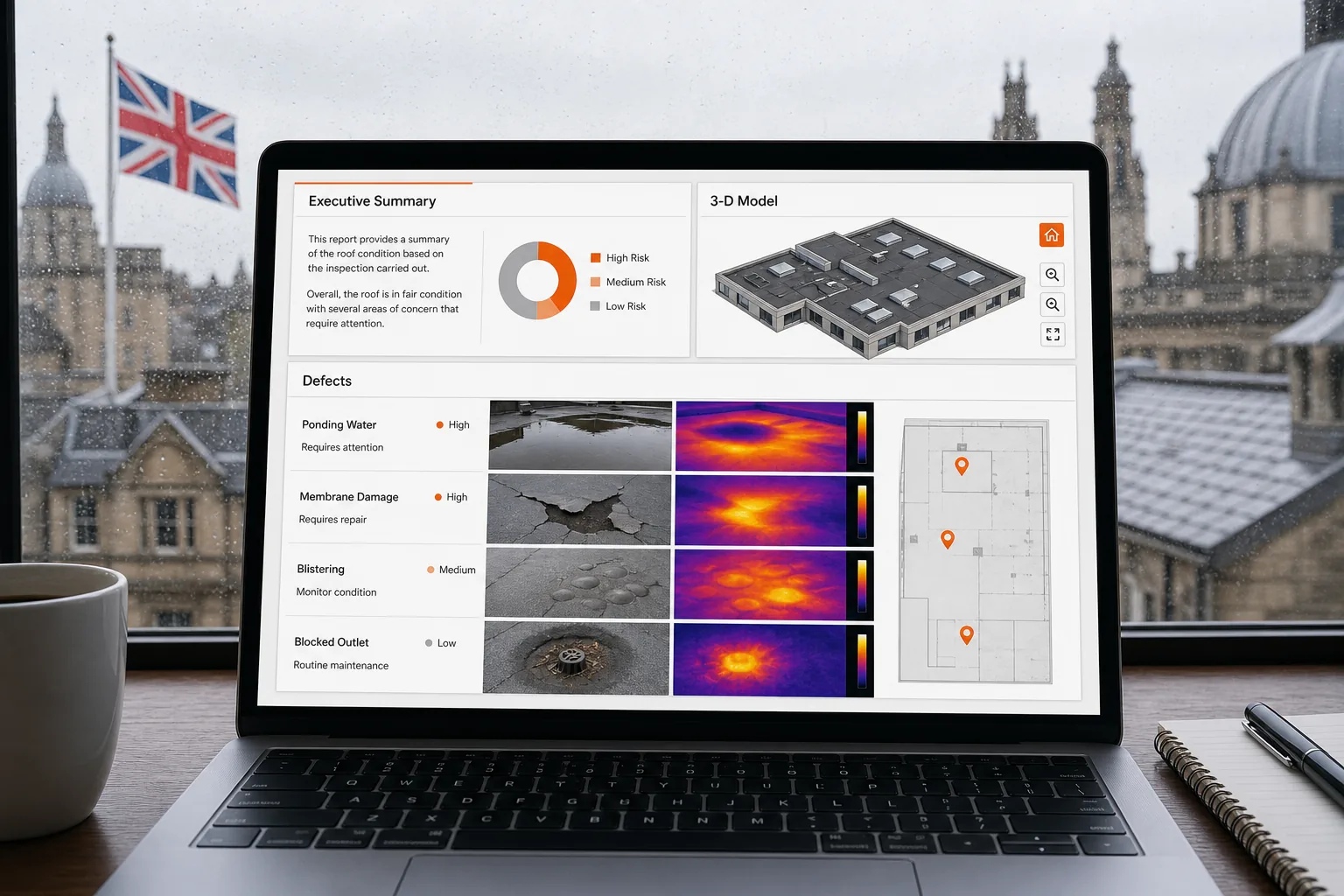
After the data capture, we stitch the images into a 3‑D model, overlay the thermal map and generate an orthomosaic. Every defect gets a unique ID, a GPS coordinate, a photo, a thermal snapshot (if relevant) and a recommended remediation.
The executive summary at the front of the report gives a non‑technical overview, overall condition, risk level and top three actions. The detailed section walks you through each roof zone, grading defects with a traffic‑light system (green, amber, red).
Compliance checks are built in, we verify access routes, guardrails and fire‑safety vents against the Work at Height Regulations 2005. The report also includes a forward‑looking estimate of service life and suggested maintenance intervals.
Our clients appreciate that the final PDF can be exported as BIM‑ready point clouds, making the hand‑over to contractors smooth. You’ll be in good hands.
Choosing the Right Scope, Timing and Service
Scope decisions start with the building’s age, roof type and the questions you need answered. A simple condition survey works for routine maintenance, while a full diagnostic, visual, drone and thermal, is needed for acquisition, insurance renewal or major refurbishment.
Timing matters. Industry guidance suggests a full inspection at least once every 1 to 3 years, and after any severe weather event. If you have solar PV on the roof, you’ll also need an IEC 62446‑compliant thermography check after the system has been running for an hour under load.
Cost varies with roof size and complexity. For more information, see our Drone Roof Inspection Cost UK guide. The real value comes from avoiding unexpected repair bills.
When vetting a provider, ask for:
- CAA‑approved pilots and a public‑liability cover of at least £5 million.
- IEC 62446 compliance if solar panels are present.
- Delivery of a BIM‑ready 3‑D model or GIS layer, not just a PDF.
- Turn‑around time that matches your project schedule.
Public‑sector clients often need the report to feed directly into asset‑management dashboards. Our service is built around that workflow, so the data lands in the right format the first time.
For more detail on how our surveys fit into a wider asset‑management strategy, see our Commercial Roof Inspection Explained guide. You’ll find a clear breakdown of what each deliverable looks like.
Frequently Asked Questions
What does a commercial roof inspection actually include?
A commercial roof inspection records the roof’s construction layers, checks membrane condition, evaluates drainage, notes any roof‑top plant, and produces a defect register with photos and risk ratings.
How often should a large commercial roof be inspected?
Best practice is every 1 to 3 years, plus after any major storm, roof repair or when you’re planning a capital‑budget cycle.
Do I need a CAA‑licensed drone pilot?
Yes, UK law requires a CAA‑approved licence for commercial aerial work, and most insurers will only accept reports from pilots who meet that standard.
What is IEC 62446 compliance and why does it matter?
IEC 62446 sets the testing and reporting standards for solar‑PV thermography. Compliance means the thermal data is reliable for warranty claims and performance modelling.
Can the inspection report be integrated with BIM software?
Our reports include point‑cloud data and DWG files that import directly into Revit or compatible BIM tools, making the hand‑over to contractors smooth.
What if I only need a quick visual check?
A visual walk‑over can spot obvious damage, but it won’t capture hidden moisture or heat loss. For most public‑sector assets, a combined drone‑thermal survey offers the best risk mitigation.
Conclusion
Pick a service that bundles visual, drone and thermal data, meets CAA and IEC 62446 standards, and delivers a risk‑graded report you can feed straight into your asset‑management system. Contact Visual Perspectives Limited to schedule your next inspection and protect your estate’s value.