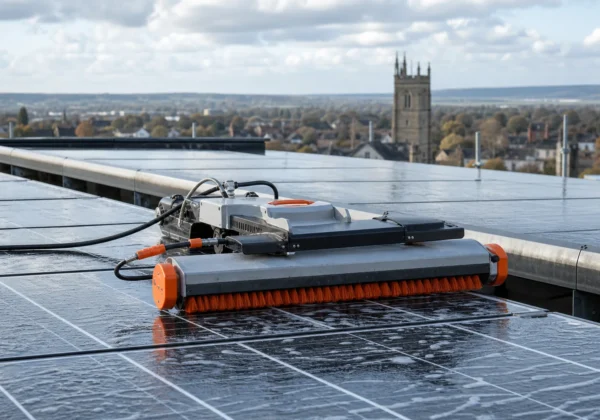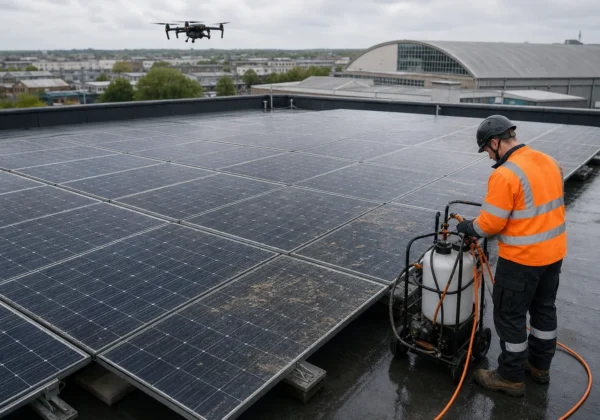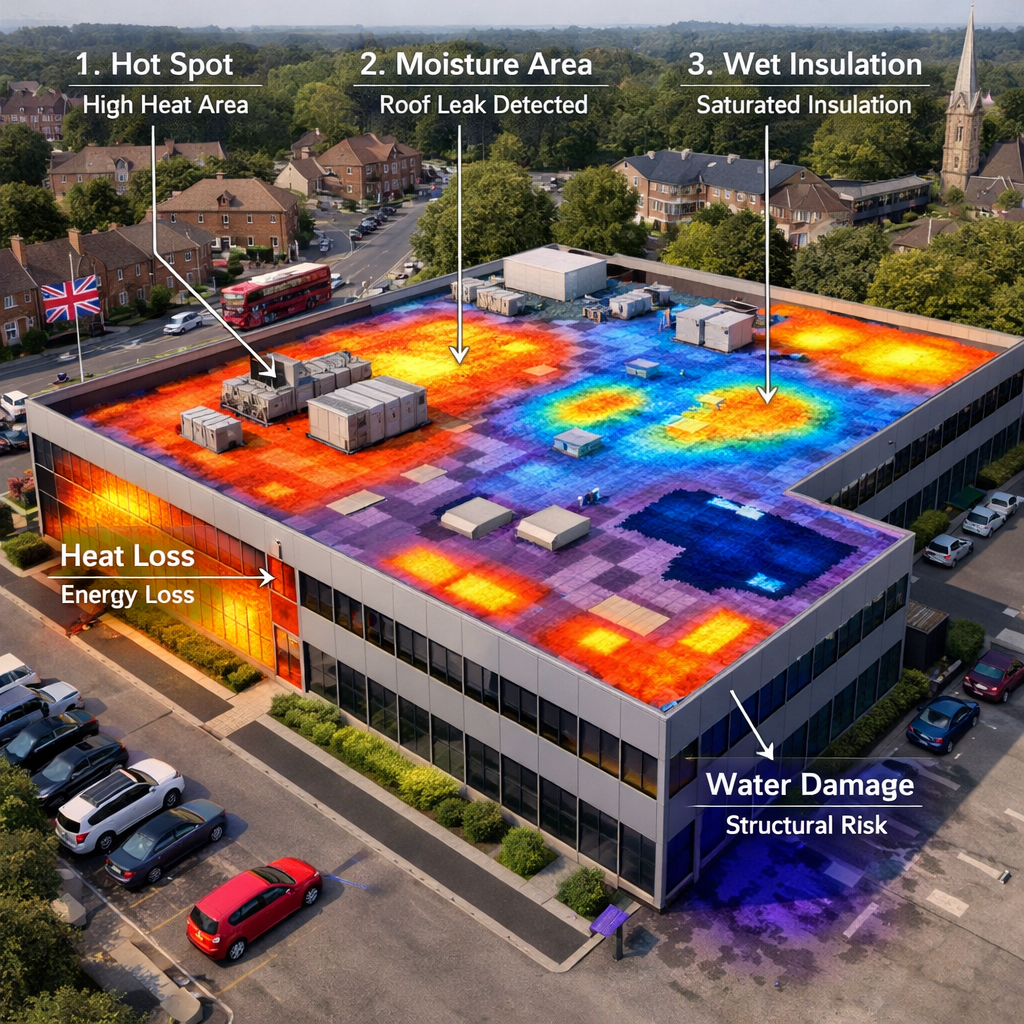
Thermal imaging can spot hidden heat loss, moisture, and electrical hot spots that the naked eye can’t see, a capability showcased in our Building Defect Thermography service. For commercial owners, those hidden issues can cost thousands in repairs and downtime. In this article we’ll walk you through the top thermal imaging house services that specialise in drone roof inspections, solar PV thermography, and full‑stack building diagnostics. By the end you’ll know which provider fits your project, how to compare them, and what to ask before you sign a contract.
We’ll also show you a quick checklist for picking the right partner and a side‑by‑side comparison table. Let’s start.
1. Visual Perspectives , Integrated Drone & Thermal Imaging (Our Pick) , Full‑stack diagnostics for commercial roofs
Visual Perspectives provides managed drone‑based aerial inspections across the UK. Their service blends high‑resolution visual capture with infrared thermography in one flight. That means you get a 3‑D model of the roof, a thermal map of heat loss, and a report that meets IEC 62446 standards for solar PV checks.
Why does that matter? Imagine a flat roof with a hidden leak behind a skylight. A traditional survey might miss it until water drips onto the ceiling. A drone can hover low, capture the exact spot, and the thermal camera shows a cool patch that signals moisture. The report then tells you exactly where to fix it, saving weeks of guesswork.
The team brings 20 years of drone experience, Level 1 & 2 thermography credentials, and £5 million of insurance. They work under CAA rules, so you won’t need special permits for a city‑center building. A full overview of our drone and thermography capabilities is available on our services page.
Key capabilities include:
- Rapid coverage of large roofs , a 5‑storey office can be surveyed in under an hour.
- Heat‑loss heat maps that tie directly to BREEAM points.
- IEC 62446‑compliant solar panel thermography for PV arrays.
- Actionable PDF reports with annotated images and repair priorities.
Their pricing is transparent: a fixed‑price package for roofs up to 5,000 m² and a custom quote for larger estates. That helps facilities managers budget without surprise invoices.
Clients often praise the “quickly, precise, and detailed” approach. The data lands straight into your asset‑management system, so you can track fixes over time.
Read more about their thermal imaging workflow in the Thermal Imaging Archives. You’ll s that match what you need for compliance.
2. ThermoScan Pro , Dedicated Thermal Camera Service , High‑resolution IR surveys for large facilities
ThermoScan Pro focuses on handheld and fixed‑mount infrared cameras for big commercial sites. Their surveys are done by Level 2 certified thermographers who follow BREEAM and IEC 62446 guidelines.
Their process starts with a site‑wide temperature differential check , they need at least a 10 °C gap between inside and out for accurate readings. Once that’s set, they walk the perimeter, scanning walls, windows, and HVAC units. The high‑resolution camera captures thermal signatures down to 0.05 °C, which is enough to spot thin insulation gaps and early‑stage moisture.
ThermoScan’s reports combine thermal images with a clear action list. Each finding is ranked by severity, so you can tackle the biggest risks first. They also offer a dual approach: pair the thermal survey with a blower‑door test to quantify airtightness.
Typical use cases include:
- Warehouse roof inspections where scaffolding would be costly.
- Industrial plant façade checks for thermal bridges.
- Multi‑storey office buildings needing quick turnaround.
Because they can deploy drone‑mounted thermal cameras for hard‑to‑reach heights, they bridge the gap between ground‑level scans and aerial coverage.
ThermoScan’s pricing is custom‑quoted based on building size and survey depth. That works for owners who need a tailored scope.
For deeper technical details, see the official ThermoScan service page Thermographic Building Surveys. The page outlines the environmental conditions they require for accurate data.
3. SkyInspect Ltd , Drone Roof Survey Specialists , Rapid aerial mapping for flat‑roof PV arrays
SkyInspect uses lightweight drones equipped with dual‑sensor payloads: a visual camera for 4K imagery and a thermal sensor tuned for solar panel diagnostics. The combo lets them spot hot‑spots on PV cells that could indicate shading, cell damage, or connection loss.
When a commercial building installs a solar array, the performance can drop quickly if a single panel overheats. SkyInspect flies over the array at a safe altitude, captures a thermal overlay, and the software flags any panel that exceeds the normal operating temperature by more than 5 °C.
They provide a GIS‑ready map that overlays the thermal data onto the roof layout. That makes it easy for engineers to plan targeted repairs without shutting down the whole system.
SkyInspect also offers a quick‑turnaround service: most rooftop PV surveys are completed within 24 hours of the flight, and the report is delivered in a secure portal.
Their pricing model is per‑panel, which works well for owners who want to pay only for the panels inspected.
SkyInspect’s approach is especially useful for large solar farms where manual checks would take days.
4. SolarTherm UK , IEC 62446 PV Thermography Experts , Certified solar panel inspections
SolarTherm UK specialises in IEC 62446‑compliant thermography for photovoltaic (PV) installations. Their technicians are Level 2 thermographers who understand the nuances of solar array wiring, inverter heat, and module degradation.
The service starts with a safety briefing and a site walk‑through to map the array layout. Then a drone equipped with a high‑resolution IR camera flies a grid pattern over the panels. The thermal software automatically calculates temperature differentials and highlights cells that run hotter than the rest.
Why is this important? Hot spots often signal a loose connection, a shading issue, or a defective cell. If left unchecked, they can cause hot‑spot damage that reduces the array’s lifespan.
SolarTherm delivers a report that includes:
- Thermal maps with colour‑coded risk zones.
- IEC 62446 compliance documentation for insurers and regulators.
- Prioritised repair recommendations, complete with part numbers when possible.
They also integrate the findings into the building’s BIM model, so facility managers can see the data alongside other asset information.
SolarTherm’s pricing is transparent: a base fee per megawatt of installed capacity plus a per‑panel surcharge for detailed analysis.
For more on IEC 62446 standards, see the official IEC documentation on ISO’s IEC 62446 page. The standard outlines the testing and reporting requirements that SolarTherm follows.
5. InfraSight , High‑Resolution Thermal Imaging for Asset Management , Fast, data‑rich diagnostics
InfraSight provides a cloud‑based platform that ingests thermal images from a variety of sensors and turns them into actionable data. Their strength lies in fast processing and rich analytics that help asset managers spot trends across multiple sites.
Clients upload thermal captures from drones, handheld cameras, or even fixed‑mount sensors. The AI‑driven engine tags each image with temperature hotspots, moisture flags, and insulation gaps. The dashboard then lets you filter by severity, location, or asset type.
One big advantage is the ability to run comparative studies. For example, a university campus can compare roof heat loss across ten buildings and see which ones need urgent retro‑fit.
InfraSight also offers an API that plugs into existing CMMS (Computerised Maintenance Management Systems). That means a heat‑loss alert can automatically generate a work order.
The service is subscription‑based, with tiers that scale from small portfolios to large enterprise estates.
Learn more about their thermal imaging platform on the official site InfraSight.
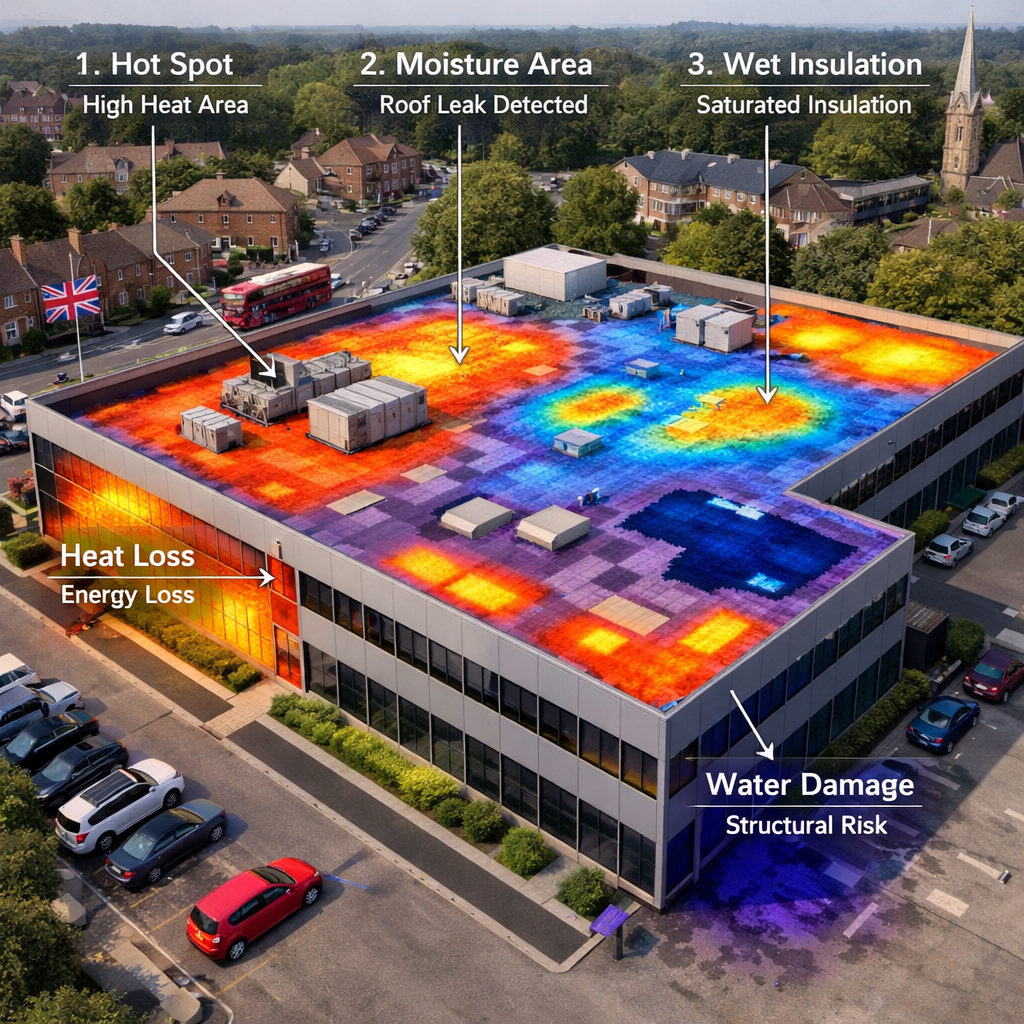
6. How to Choose the Right Thermal Imaging Service
Picking a thermal imaging partner isn’t one‑size‑fits‑all. You need to match the provider’s strengths to your project’s needs.
First, check credentials. Look for Level 1 or 2 thermographer certification and IEC 62446 compliance if you have solar panels. Second, verify insurance coverage , a £5 million policy is a good benchmark for commercial work.
Third, compare reporting formats. Do you need BIM integration? Do you want a simple PDF with annotated images? Ask for a sample report before you commit.Fourth, consider turnaround time. For urgent repairs, a provider that can deliver a report within 48 hours is essential.
Finally, assess cost transparency. Fixed‑price packages help you budget, while custom quotes give flexibility for large estates.
Ready to get started?
7. Comparison of the Top 5 Thermal Imaging House Services
When you compare the rows, you’ll see that Visual Perspectives stands out for its all‑in‑one approach, while InfraSight shines for data‑driven asset management across many sites.
FAQ
What is thermal imaging and how does it work for commercial buildings?
Thermal imaging captures infrared radiation emitted by surfaces and turns it into a colour‑graded picture. Hotter spots appear in reds and oranges; cooler spots show in blues and purples. In a commercial building, the camera reveals heat loss through walls, roof defects, moisture behind cladding, and overloaded electrical components. The data helps you target repairs that improve energy efficiency and reduce fire risk.
Why should I use a drone for roof inspections instead of scaffolding?
Drones reach high or hard‑to‑access roof areas in minutes, without the cost or safety risk of scaffolding. They can capture hundreds of high‑resolution images and thermal data in a single flight. That speeds up surveys by up to 75 % and reduces labour costs, which is a big win for large commercial roofs.
Is IEC 62446 compliance mandatory for solar panel inspections?
IEC 62446 isn’t a legal requirement in the UK, but many insurers and EPC assessors expect it. The standard defines how to test, document, and maintain grid‑connected PV systems. A compliant report can help you claim insurance benefits and meet sustainability certifications.
Can thermal imaging detect moisture inside walls?
Thermal cameras can’t see water directly, but they show temperature anomalies that suggest dampness. A wet area usually appears cooler because evaporation pulls heat away. You’ll need a moisture meter to confirm, but thermal imaging points you to the exact location to test.
How often should a commercial building undergo thermal imaging surveys?
Most facility managers schedule a full‑building thermal survey every 2‑3 years, or sooner if you notice rising energy bills or suspect a leak. Critical assets like data centres or hospitals may need annual checks to keep risk low.
What should I look for in a thermal imaging report?
Good reports include annotated thermal images, a clear severity ranking, recommended remedial actions, and compliance documentation if needed. They should also reference the environmental conditions during the survey , temperature difference, wind speed, and humidity , because those affect accuracy.
Do I need special insurance for thermal imaging services?
Reputable providers carry professional liability insurance, often around £5 million for commercial work. That protects you if the survey misses a defect that later causes damage. Always ask for proof of coverage before signing a contract.
Can I integrate thermal data with my existing building management system?
Yes. Many providers, like InfraSight, offer APIs that feed temperature alerts straight into your CMMS. This lets you create automated work orders when a hotspot is detected, keeping maintenance proactive.
Conclusion
Thermal imaging has become the go‑to method for spotting hidden issues in commercial buildings. Whether you need a quick drone roof sweep, detailed PV panel analysis, or a data platform that tracks heat loss across a portfolio, the five services listed above cover the full spectrum.
Visual Perspectives leads the pack with an integrated drone‑thermal workflow that delivers “quickly, precise, and detailed” results without the need for separate contracts. ThermoScan Pro offers high‑resolution handheld scans for large industrial sites, while SkyInspect and SolarTherm UK focus on solar‑specific inspections that meet IEC 62446 standards. InfraSight turns raw thermal images into a live asset‑management dashboard.
Use the checklist in section 6 to match your project’s size, compliance needs, and budget. Compare the table in section 7 to see where each provider shines. And when you’re ready to act, remember the mid‑article call‑to‑action , a free trial from Visual Perspectives can give you a taste of the data quality before you commit.
Take the next step today: start a pilot thermal survey, gather the data, and let the numbers drive your retrofit plan. The hidden heat loss, moisture, and electrical risks won’t wait, but you can stay ahead with the right thermal imaging house service.