Commercial solar PV systems need proof that the roof and panels are in good shape before a warranty kicks in. A drone roof inspection can give you that proof fast and without ladders. Below are the best UK services that deliver IEC 62446‑compliant reports.
1. Visual Perspectives Limited (Our Top Pick) , Full‑service UK‑wide drone inspections
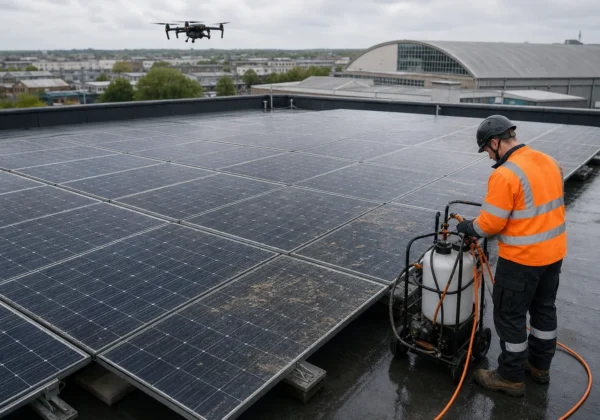
Visual Perspectives provides managed drone‑based aerial inspections, specialising in roof and façade surveys across the United Kingdom. The team runs high‑resolution 3D mapping and thermal imaging that meet IEC 62446 standards, so insurers and warranty providers accept the data.
We serve building surveyors, facilities managers, solar installers, and public‑sector owners. Our reports flag heat loss, membrane saturation, and hidden defects before a PV array goes live, cutting costly re‑work.
Clients appreciate that we avoid scaffolding, reduce site disruption, and deliver actionable defect diagnostics. How to Conduct a Commercial Building Drone Roof Inspection shows the workflow we follow.
You’ll be in good hands.
2. DroneSurvey UK , Rapid‑response aerial roof surveys for commercial assets
DroneSurvey UK focuses on speed. They can dispatch a crew and capture a full‑roof video within 48 hours for most commercial sites.
Their service includes a written report from in‑house roofing specialists, so you get both visual evidence and expert advice on repairs.
Clients often cite the quick turnaround when insurers need proof for a claim. The company also offers infrared thermography to spot moisture or insulation gaps before PV panels are installed.
Because they work across the UK, they handle everything from office blocks to warehouses.
Read a real‑world case on how they helped a multi‑storey block avoid costly leaks here.
One limitation is that they do not currently provide 3D point‑cloud models, which some large‑scale PV projects prefer.
3. SkyInspect , High‑resolution 3D mapping & thermal analysis
SkyInspect blends photogrammetry with thermal imaging to produce interactive 3D models of roof surfaces. The models let you walk around the roof virtually and zoom into hot‑spot locations.
This level of detail is useful when you need to plan mounting structures for a big solar farm. Their reports follow the IEC 62446 format, so warranty teams can verify the data without extra paperwork.
They also supply geo‑referenced CSV files for integration with asset‑management software.
Clients like the ability to overlay the model on BIM data, which speeds design reviews.
A small drawback is the higher price point for the 3D processing, which may not be needed for smaller rooftop installs.
4. Aerial Insight , Specialist in flat‑roof defect detection before PV install
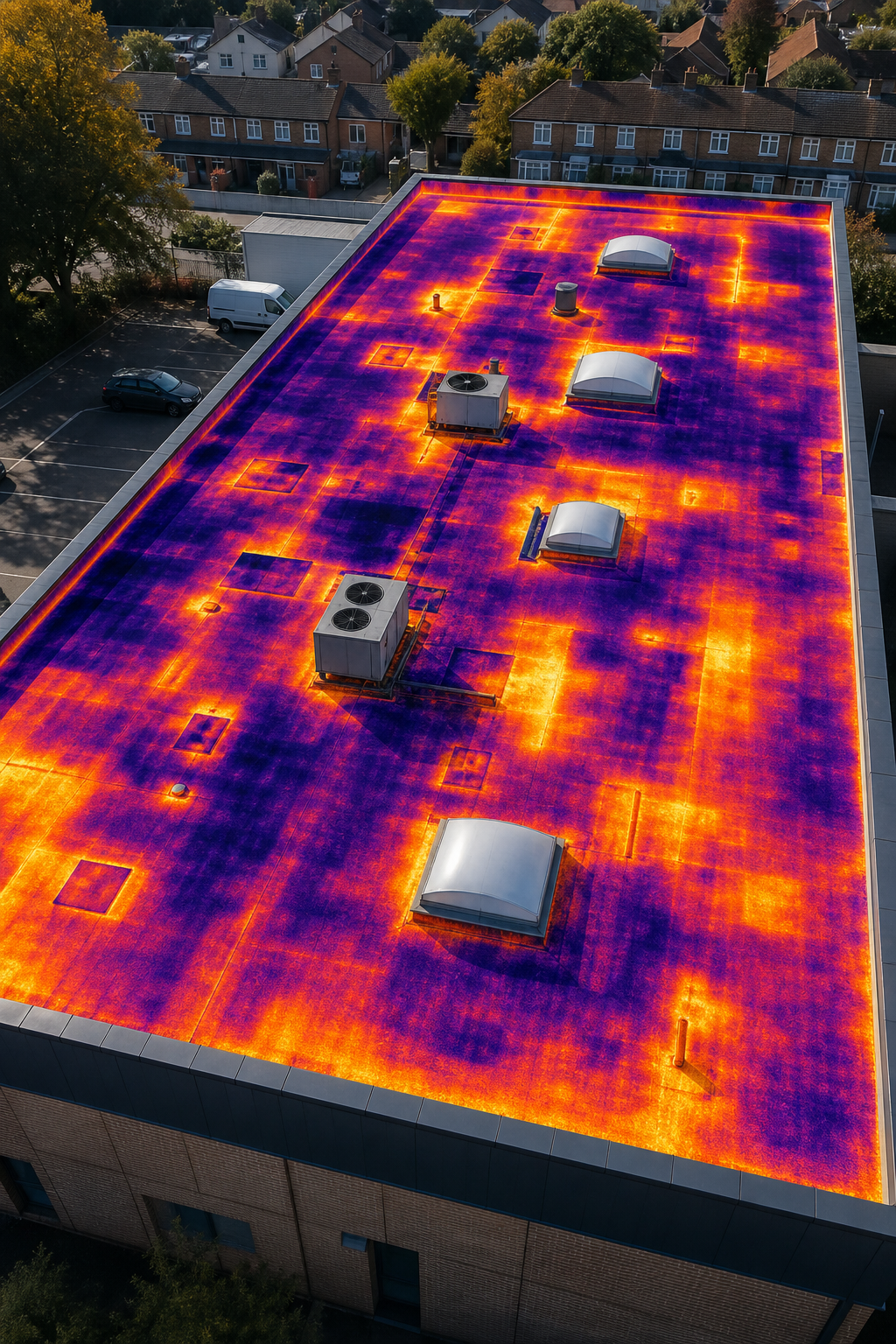
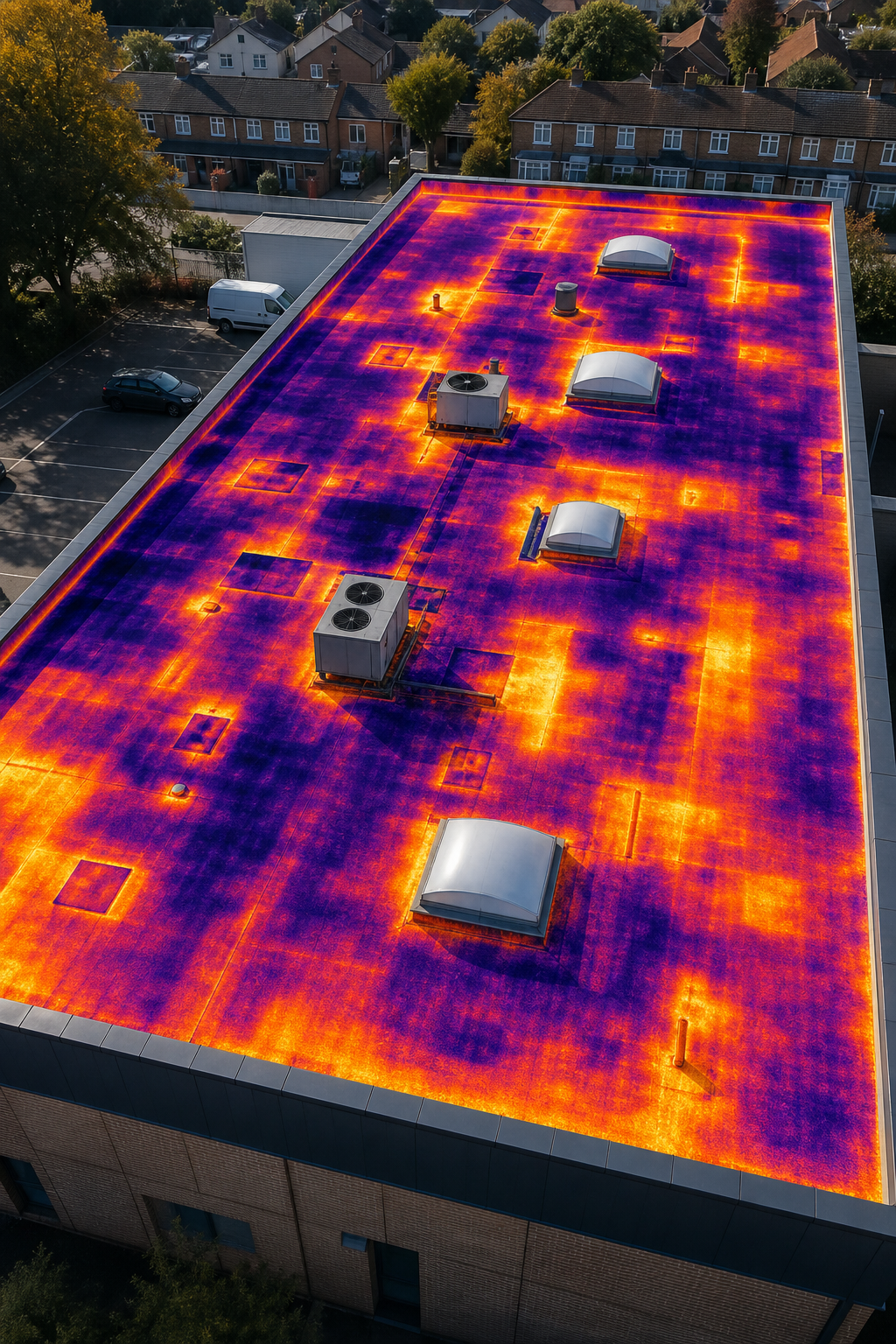
Aerial Insight targets flat‑roof commercial buildings that plan to add solar panels. Their drones carry infrared cameras that can detect membrane saturation and early‑stage delamination.
They follow the IEC 62446 reporting template, making the output ready for warranty claims and insurance assessments.
According to their own documentation, the thermal data can reveal hidden moisture pockets that traditional visual checks miss.
They also provide a heat‑map overlay that highlights the most critical areas for remediation.
One caveat is that they operate mainly in the South East, so travel time may add cost for northern sites.
For more on IEC 62446 compliance, see the official Wikipedia entry here.
5. Helix Aerial , Scalable inspections for large solar farms and industrial roofs
Helix Aerial is built for utility‑scale projects. Their fleet can cover dozens of hectares in a single flight, capturing both RGB and thermal data.
The company integrates the data directly into GIS platforms, letting asset owners monitor performance trends over time.
Their reports are IEC 62446‑aligned, and they offer a post‑flight audit service for warranty verification.
Because they work at scale, the per‑panel cost drops dramatically compared with boutique firms.
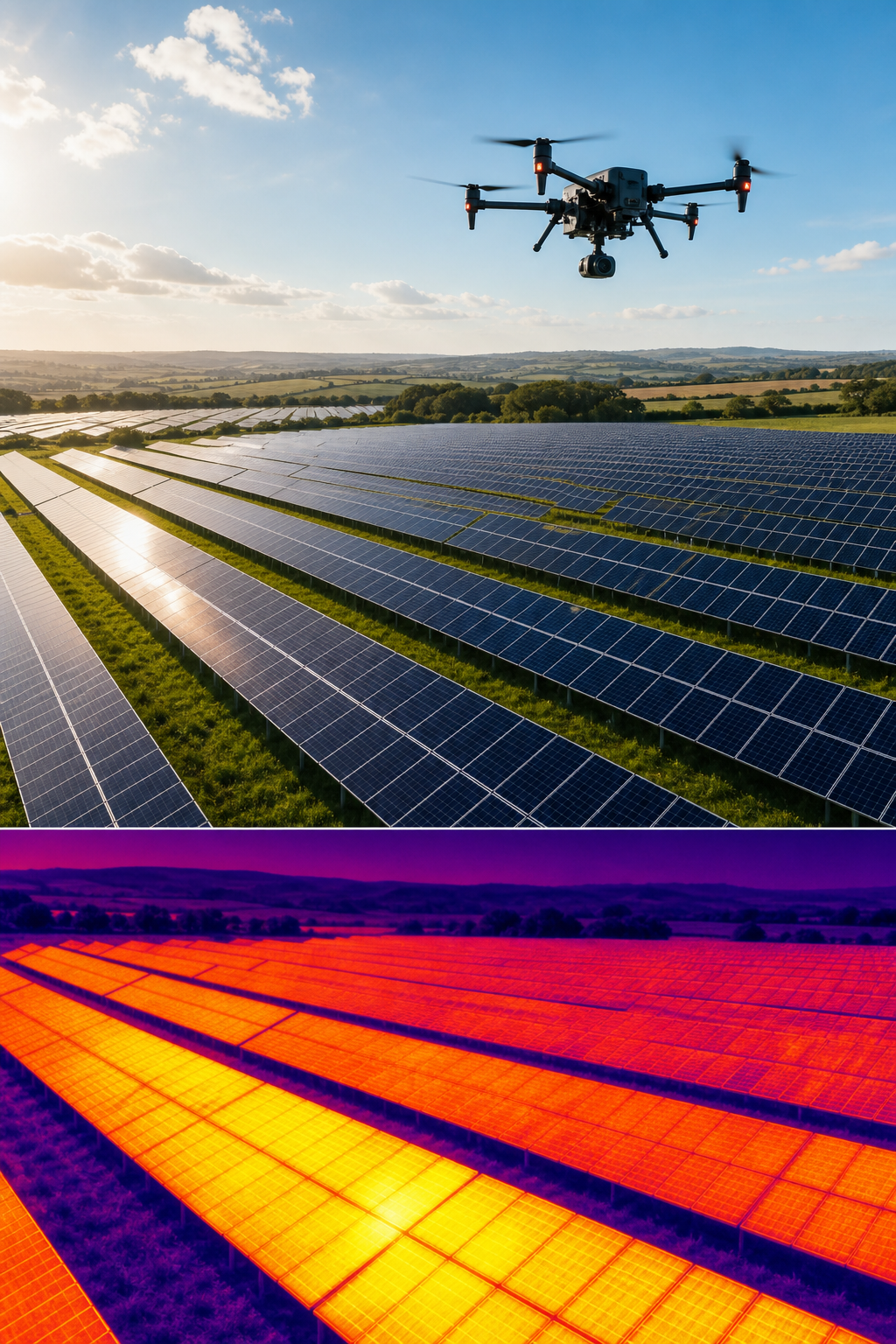
The trade‑off is that smaller commercial roofs may not get the same level of personal attention as with a local provider.
6. UK Drone Inspections Ltd , Cost‑effective aerial surveys for public sector buildings
UK Drone Inspections Ltd focuses on public‑sector clients such as schools, hospitals, and council buildings. Their pricing model is transparent and based on square‑metre coverage.
They provide a basic defect report plus an optional thermal add‑on that meets IEC 62446 criteria.
Facilities managers like the quick turnaround and the fact that the reports are ready for procurement audits.
Because they specialise in public‑sector compliance, they are familiar with UK building‑control regulations.
A limitation is that they do not currently offer 3D point‑cloud visualisations, which some larger private‑sector projects demand.
Read more about their service offering here.
7. What to Look For When Choosing a Drone Roof Inspection Partner
Picking the right partner can save time, money, and headaches. Here’s a quick checklist you can use.
- IEC 62446 compliance , the report must follow the standard’s structure.
- Thermal imaging capability , needed for pre‑install defect detection and warranty evidence.
- 3D mapping or point‑cloud options , useful for complex roof geometry.
- Turnaround time , insurers often need reports within 48 hours.
- Insurance coverage , the provider should hold at least £5 million public‑liability cover.
- CAA certification , pilots must be CAA‑approved for commercial work.
Make sure the company can supply a report that your warranty provider will accept without extra paperwork.
For official guidance on drone operation in the UK, see the Civil Aviation Authority page here.
FAQ
What is IEC 62446 and why does it matter for solar PV warranties?
IEC 62446 is the international standard that defines how photovoltaic system testing, documentation, and maintenance should be performed. A compliant inspection report satisfies most warranty clauses, so insurers and manufacturers accept it without asking for additional evidence.
Do drone inspections replace the need for physical roof access?
In most commercial cases, a drone can capture every angle needed for a compliant report, eliminating scaffolding and reducing safety risk. However, very small or highly obstructed areas may still require a spot check by a qualified technician.
How quickly can I get a report after the flight?
Reputable providers aim to deliver a full IEC 62446‑formatted report within 24‑48 hours, which is fast enough for most warranty claim windows.
Are thermal images enough to prove a panel defect?
Thermal images show temperature anomalies that often indicate faulty cells, bypass diode failures, or shading issues. When combined with an IEC 62446 report, they provide the evidence most manufacturers require for warranty work.
Will the drone data integrate with my asset‑management software?
Many providers export CSV or GIS‑compatible files that can be imported into common asset‑management platforms, letting you track roof health and PV performance over the life of the system.
Ready to get a compliant inspection that protects your solar investment? Start your free assessment now and see how quickly we can deliver the data you need.