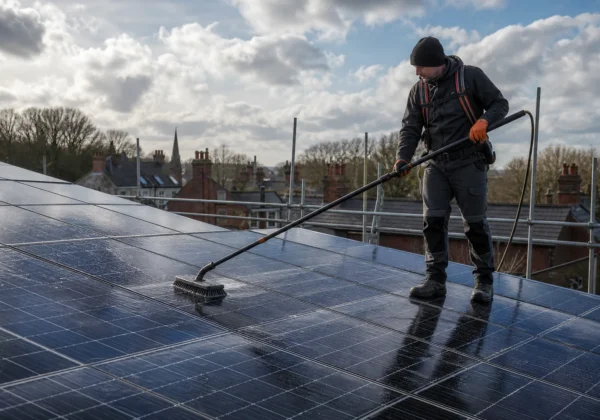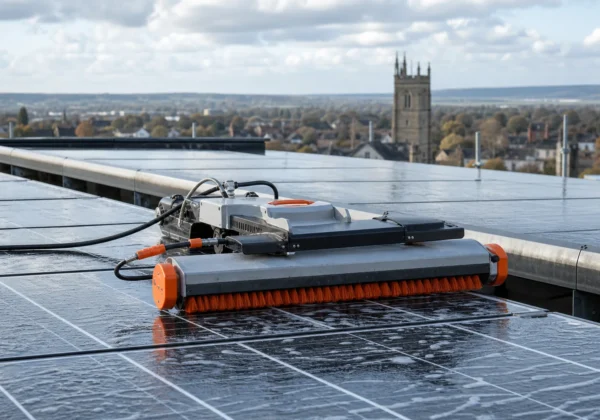
Commercial roofs hide a lot. One tiny crack can turn into a costly leak fast. If you own or manage a commercial property, you need a reliable way to we’ll walk you through what a roof condition survey is, why you need it, how drones make it better, and how to pick the right provider. By the end you’ll know exactly how to keep your roof healthy and your budget safe.
What Is a Roof Condition Survey?
A roof condition survey is a systematic check of a roof’s health. It looks at the membrane, flashings, drainage, and any equipment on the roof. The goal is to spot problems before they become emergencies. Inspectors record their findings in a report that includes photos, measurements, and recommendations.
We at Visual Perspectives use drones to capture high‑resolution images and thermal data, then stitch them into a 3‑D model. That lets us see the whole roof at once, even the spots you can’t reach with a ladder.
Why does this matter? A typical commercial roof lasts 20‑30 years. A single missed defect can shave years off that life. A roof condition survey gives you a clear picture of remaining service life, helping you plan repairs or replacements in a sensible way.
During the survey we follow a checklist that covers:
- Visual inspection of membrane surface
- Thermal imaging for hidden moisture
- Measurement of roof slope and ponding areas
- Inspection of roof penetrations (vents, skylights, PV panels)
- Assessment of flashings and edge details
Each item is recorded with a reference photo and a location tag. That level of detail lets your maintenance team act quickly.
Bottom line: A thorough roof condition survey spots hidden defects early, saving you money and headaches later.
Why Commercial Buildings Need Regular Roof Condition Surveys
Commercial roofs face a lot of wear and tear. Weather, foot traffic, and rooftop equipment all add stress. If you skip regular checks, small issues can snowball into big, expensive repairs.
Dynamic Alliance Roofing points out that neglect can add up quickly, leading to emergency repairs that disrupt business operations. They note that regular inspections can save thousands in repair costs. That’s a real risk you don’t want to take.
Facilities Net explains that a roof failure can jeopardise health and safety, especially in hospitals or schools. They also say that twice‑annual inspections are the industry baseline for most commercial properties.
When you schedule a roof condition survey after a harsh winter, you catch freeze‑thaw damage before the spring heat accelerates it. When you do another check in autumn, you make sure drainage is clear before the next winter.
Imagine a flat roof on a logistics centre. A tiny puncture lets water seep into the insulation. The insulation gets soggy, loses R‑value, and your heating bills climb. A roof condition survey would spot that wet spot on a thermal image before the roof deck rots.
Here’s how regular surveys protect you:
- Early detection of membrane cracks and seam failures
- Identification of blocked drains that cause ponding
- Verification that rooftop equipment stays properly sealed
- Documentation that satisfies insurers and lenders
Bottom line: Regular roof condition surveys keep your building safe, your operations running, and your insurance happy.
The Drone Advantage: Faster, Safer, More Detailed Inspections
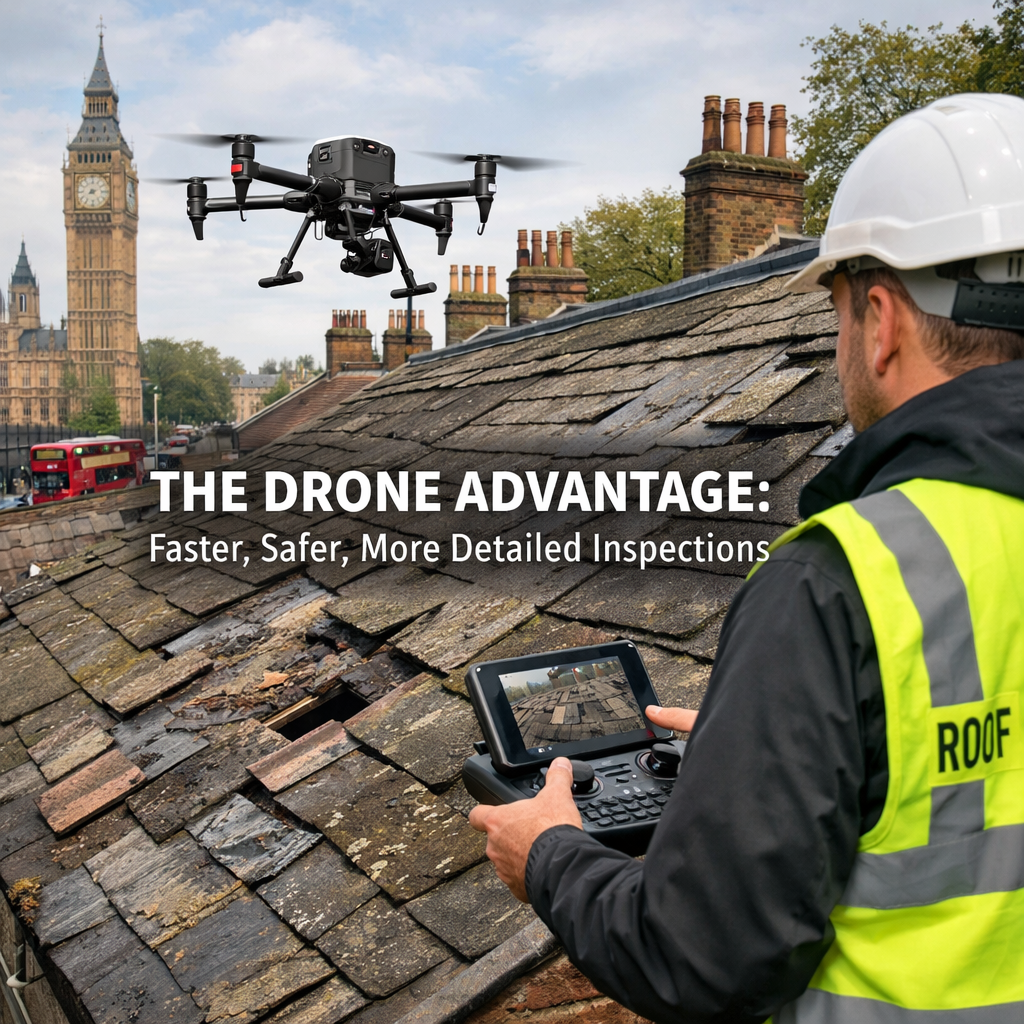
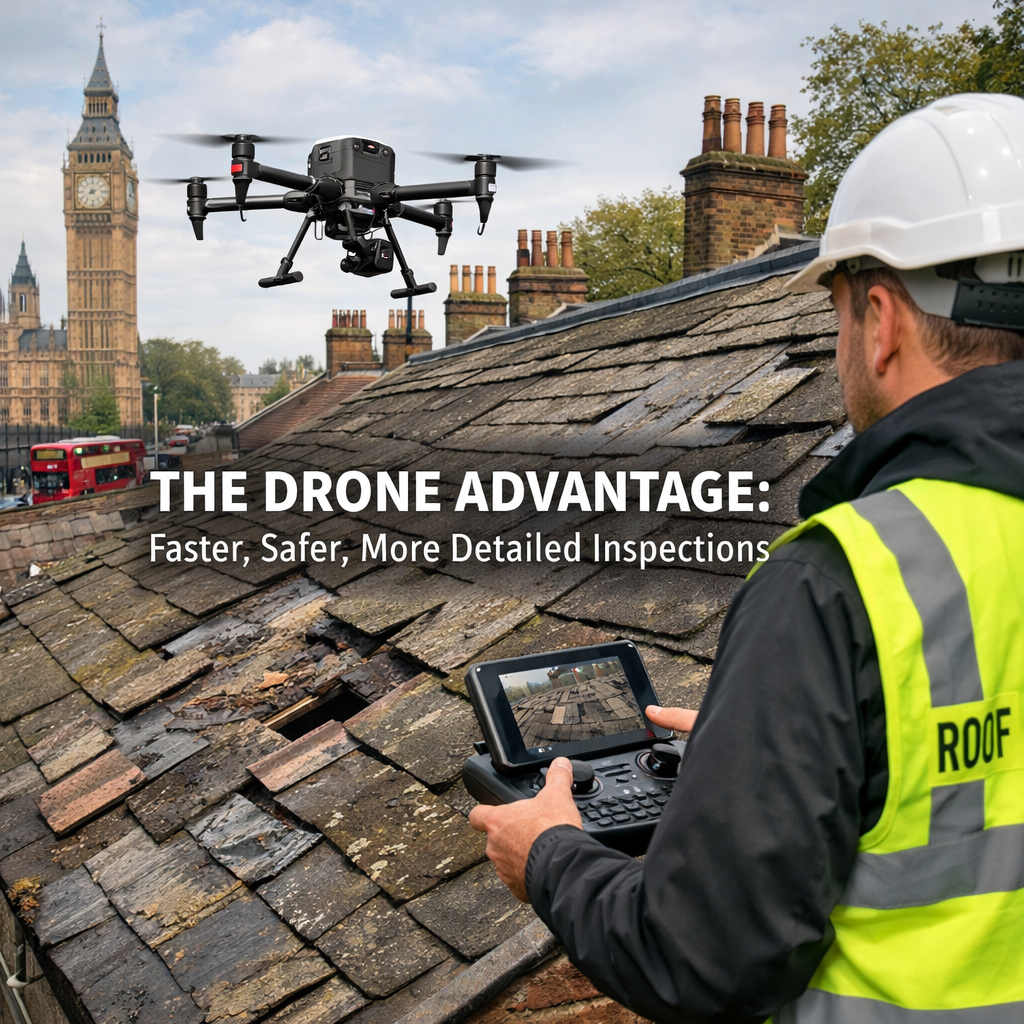
Drones have changed how we look at roofs. Instead of climbing ladders, we launch a UAV and let it fly over the building. That means no risk of falls, no need for scaffolding, and no disruption to the people below.
HOA‑CC compares drones to traditional methods and notes that drones give high‑resolution photos, AI‑driven damage detection, and even thermal imaging. Their research shows drones can capture angles you simply can’t get from the ground. That extra perspective helps us spot hidden cracks and ponding that a ladder‑based walk‑around would miss.
We also add 3‑D mapping. Drone photogrammetry turns thousands of photos into a precise 3‑D model, a key part of any professional drone roof survey. That model lets you measure roof pitch, calculate surface area for new membrane, and plan repair routes.
Safety is a huge win. Our pilots follow the UK Civil Aviation Authority (CAA) rules, hold Part‑107 equivalents, and carry full insurance. That means you don’t have to worry about legal exposure.
Speed matters too. A traditional roof walk‑around on a 10,000 m² roof can take a full day. Our drone can finish the flight in under an hour, then deliver a draft report within 48 hours.
Here’s a step‑by‑step look at a typical drone‑based roof condition survey:
- Plan the flight path and safety zone.
- Launch the drone and capture overlapping high‑res images.
- Switch to the thermal sensor for a heat scan.
- Process the data into orthomosaic, point cloud, and heat map.
- Combine the visuals into a single report with actionable notes.
Bottom line: Using drones means you get a full picture of the roof without ever stepping on it.
Common Defects Detected During a Roof Condition Survey
Even the best roofs develop problems over time. A roof condition survey pinpoints the exact issues so you can fix them efficiently.
Below is a quick reference of the most common defects we see on commercial roofs, why they happen, and how a drone‑based survey catches them.
Take the example of a large retail park we surveyed last year. The thermal map showed a hot line along a metal conduit that was not obvious in the visual images. That line indicated a thermal bridge that was causing a 12% rise in heating costs. By sealing the conduit, the client cut energy use noticeably.
Remember, each defect has a ripple effect. A small leak can soak insulation, which then loses its R‑value, raising heating bills and inviting mold.
Bottom line: Knowing the exact defects lets you plan repairs that protect the roof and the building’s interior.
Compliance and Standards for Roof Condition Surveys
In the UK, roof surveys aren’t just good practice, they help you meet legal and insurance requirements. While there’s no single law that forces a roof condition survey, several standards shape what a proper survey looks like.
The Building Safety Act 2022 and the Health and Safety Executive (HSE) expect owners to manage risk, which includes regular roof checks. Insurance policies often require proof of a recent professional survey before they renew coverage.
Our work aligns with the IEC 62446 standard for solar PV inspections and the ITC Level 1‑2 thermography certifications. That means our thermal reports meet the same rigor that manufacturers use for warranty claims.
For a concrete regulatory reference, see the UK government’s Approved Documents for Building Regulations. They outline the duty of care for roof maintenance in commercial settings.
Compliance also means using the right data format. We deliver reports in PDF with embedded GIS data, making it easy for facilities managers to import the information into asset management software.
When you work with us, you get a report that ticks every box: high‑res imagery, thermal heat maps, 3‑D models, and a clear action plan. That report can be shown to lenders, insurers, or regulators to prove you’re meeting your obligations.
“The best time to start building backlinks was yesterday.”
Bottom line: Meeting UK standards with a professional survey keeps your building on the right side of the law and your insurers.
How to Choose a Roof Condition Survey Provider
Choosing the right provider matters. Not all drone firms can give you the full suite of data you need for a commercial roof.
Here are the top criteria you should use:
- Certification: Look for IEC 62446 and ITC thermography credentials. They show the provider can deliver reliable heat data.
- 3‑D capability: Only a few firms can turn photos into a true 3‑D model. Visual Perspectives is the only UK firm that offers that full package.
- Insurance: A minimum £5 million public liability cover protects you if something goes wrong during the flight.
- Reporting: Reports should be actionable, with clear defect IDs, GPS locations, and repair recommendations.
- Turn‑around time: Fast delivery (usually within 48 hours) helps you act before weather worsens the issue.
We also recommend asking for a sample report. A good provider will show you how they label defects, how they embed thermal overlays, and how they summarize costs.
Finally, consider the provider’s experience with commercial and public sector buildings. We have over 20 years of work with hospitals, universities, and local authorities across the UK.
Bottom line: The right provider gives you confidence, compliance, and a clear path to fixing roof issues.
Frequently Asked Questions
What does a roof condition survey include?
A roof condition survey looks at the membrane, flashings, drainage, and any rooftop equipment. We capture high‑resolution visual photos, thermal heat maps, and a 3‑D model. The final report lists each defect, its exact GPS location, and recommended repair actions, all in a format that facilities managers can feed into asset‑management software.
How often should I schedule a roof condition survey?
Industry best practice suggests twice a year , once in spring after winter damage, and once in autumn before the next winter. Buildings with harsh weather exposure, heavy equipment, or older roofs may need quarterly checks. Our compliance guide aligns with the UK Building Safety Act recommendations for regular monitoring.
Can a drone detect moisture inside the roof layers?
Yes. Thermal imaging spots moisture because wet material holds heat longer than dry material. The drone’s infrared camera creates a heat map that highlights wet spots, even when the surface looks dry. We then confirm with spot moisture meters if needed.
Is a drone survey safe for my building?
Absolutely. Our pilots follow CAA‑approved flight plans, carry liability insurance, and use drones with built‑in geofencing. We conduct risk assessments before each flight and keep the aircraft at a safe distance from people and property.
Do I need a special permit to have a drone survey?
For most commercial sites in the UK, a standard CAA operational permission (PfCO) is enough. If the site is near an airport or in a restricted airspace, we obtain the necessary ATC clearance. We handle all paperwork so you don’t have to.
How does a roof condition survey help with insurance?
Insurers often require proof of recent roof inspections before renewing a policy. A detailed, compliant report demonstrates proactive maintenance, which can lower premiums and prevent claim disputes. Our reports meet the documentation standards most insurers request.
Will the survey disrupt my building’s operations?
Not at all. The drone takes off from a safe perimeter and flies over the roof while you carry on inside. There is no need for scaffolding, ladders, or shutdowns. Most surveys finish in under an hour, and the report is delivered within two days.
What if my roof has solar panels?
We are IEC 62446‑certified for solar PV thermography. The drone can capture thermal data of each panel, spot hot spots, and verify that the mounting system is sealed. This helps you keep the PV system efficient and maintain warranty compliance.
Conclusion
Keeping a commercial roof in good shape is a strategic move. A roof condition survey gives you a clear, data‑rich view of the roof’s health, helps you meet UK compliance, and cuts long‑term costs. By using drones, you get faster, safer, and more detailed inspections than any traditional method.
Visual Perspectives brings together drone photography, thermal imaging, and 3‑D mapping into one “quickly, precise, and detailed” service. We work with building surveyors, facilities managers, and asset owners across the United Kingdom to turn hidden problems into actionable plans.
If you’re ready to protect your roof, lower your energy bills, and stay on the right side of regulations, get in touch with us today. Let’s make sure your roof stays strong, dry, and efficient for years to come.
Bottom line: A professional roof condition survey is the smartest investment you can make to safeguard your commercial property.