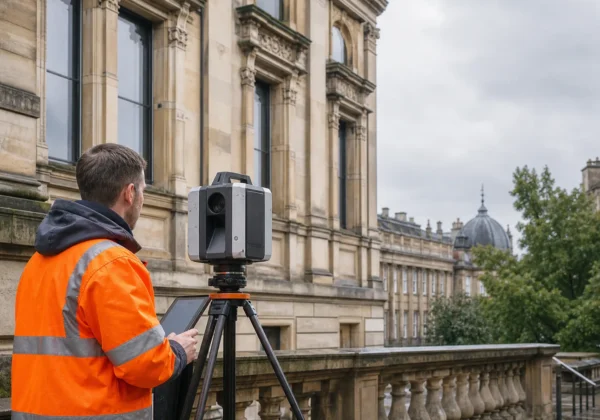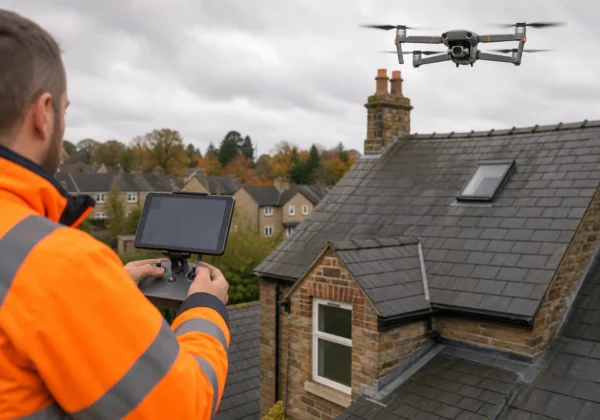
Public‑sector estates need fast, safe, and accurate façade data. Below is a shortlist of the leading UK providers, plus a quick checklist to help you choose the right partner.
1. Visual Perspectives Limited (Our Top Pick) – Independent Drone Façade Surveys with Thermal Imaging
Visual Perspectives provides managed drone‑based façade inspections that combine high‑resolution 3‑D mapping with radiometric thermal imaging. The service is built for facilities managers, building surveyors and ESG consultants who need evidence‑based data. Their drone inspection services cover façade and curtain wall surveys, roof surveys, and thermal imaging across a wide range of commercial and public‑sector building types.

What sets them apart is IEC 62446 compliance , the industry benchmark for reliable thermal surveys , and a proven workflow that captures data after sunset for optimal temperature contrast. A recent commercial roof survey showed warm red zones that revealed trapped moisture, prompting targeted repairs that cut heating demand by double‑digit percentages.source
They serve a wide range of public‑sector clients, from local authorities to NHS trusts, and deliver reports that meet PAS 2035 and CIBSE guidance. Their turnaround time keeps projects on schedule, which is critical for PSDS Phase 4 funding cycles. You’ll be in good hands.
2. HireDronePilot – CAA‑Authorised Network for Façade Drone Surveys
HireDronePilot runs a vetted network of CAA‑operationally authorised pilots. Every flight is logged and insured, which gives public‑sector owners a clear audit trail.

Their platform lets you request a survey, upload site plans and receive a secure cloud portal with geo‑referenced images. The service is especially useful for housing associations that need rapid triage of cladding defects.source
One limitation is that they do not offer in‑house thermal analysis; you’ll need a separate thermographer for heat‑loss mapping. Still, the compliance focus makes them a solid secondary choice.
3. Drone Site Surveys – Public Sector and Housing Association Specialists
Drone Site Surveys (Iprosurv) specialises in large‑scale public‑sector projects. Their AI‑driven crack detection can flag structural issues across thousands of images in minutes.
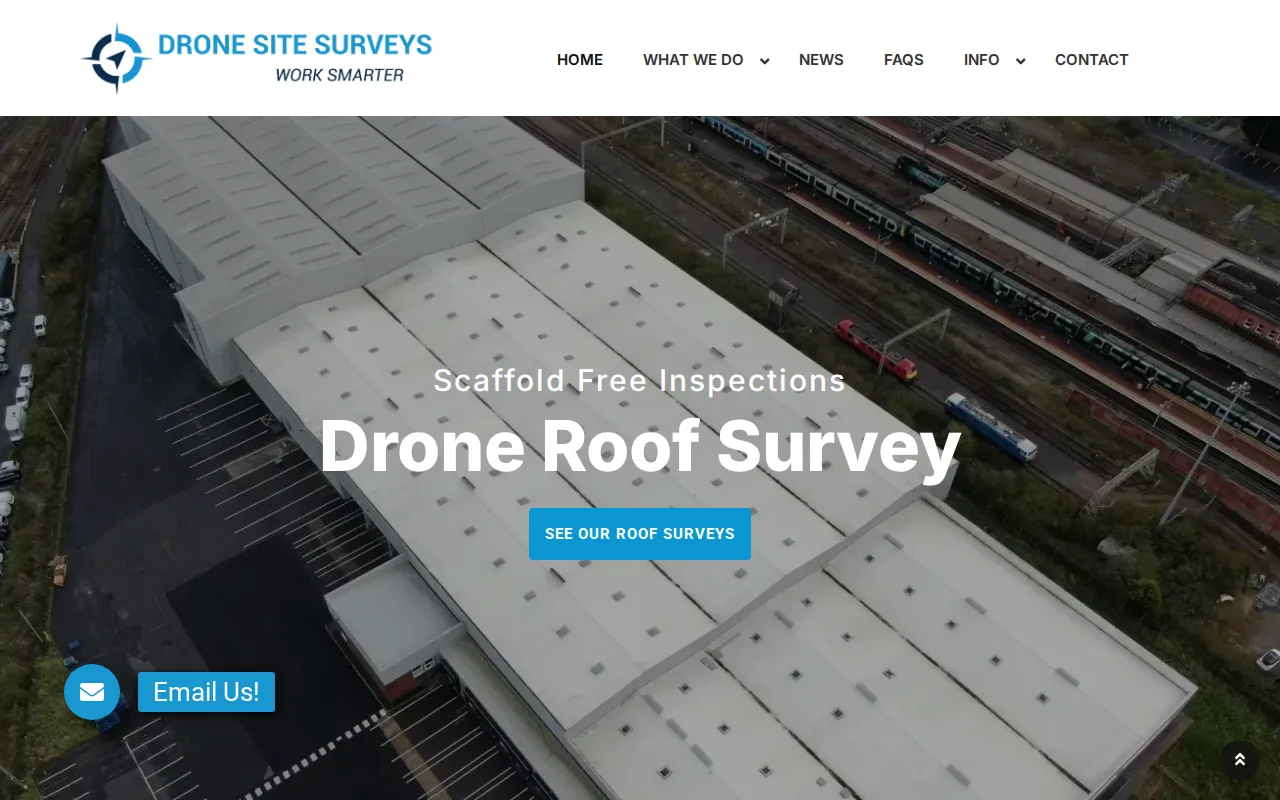
A 15‑storey tower block in Leeds was inspected after EWI panels began detaching. The drone captured a full 3‑D model, which let the housing association prioritise repairs without ever sending a scaffold crew onsite. The AI flagged 30 % more defects than a manual walk‑through.
They excel at fast turnarounds , a full report can be delivered within 72 hours , but their pricing model is opaque, so you’ll need a detailed quote before committing.
4. Drone Media Imaging – Level 3 Master Thermographer Supervised Inspections
Drone Media Imaging provides IEC 62446‑3 certified aerial thermography supervised by a Level 3 Master Thermographer. The supervision ensures that temperature data meets the strict standards required for EPC upgrades and BREEAM credits.

They also produce orthomosaic maps and DSM/DTM models that integrate with BIM workflows. A commercial office tower used their service to locate thermal bridges around window frames; the resulting retro‑fit cut the building’s heating load by 12 %.
Because the service leans heavily on specialist thermographers, scheduling can be slower during peak seasons. The data quality, however, is defensible for regulatory submissions.
5. IRT Surveys – Thermal Imaging with In‑House Energy Modelling Platform
IRT Surveys blends high‑resolution infrared capture with its proprietary DREam energy‑modelling software. The platform translates temperature differentials into predicted energy loss values, which helps estate managers justify retrofit budgets.
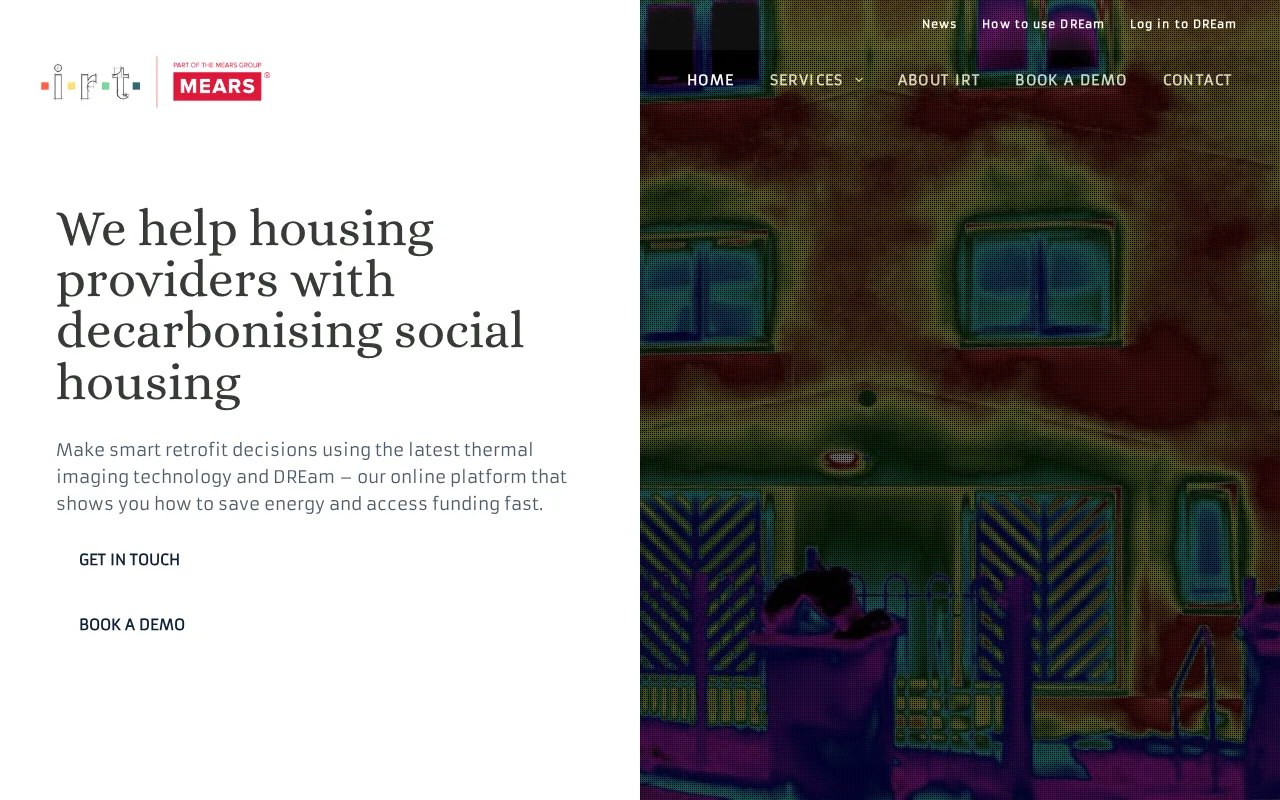
They have a strong track record with social housing providers, delivering rapid, non‑intrusive surveys that meet CAA regulations. Their reports include actionable heat‑loss numbers that align with PAS 2035 decarbonisation pathways.
A caveat: the DREam platform is proprietary, so data export options are limited if you need to feed the results into another analysis tool.
6. Vertex Access – UAV Technology for Safe High‑Rise Façade Inspection
Vertex Access focuses on high‑rise towers where scaffolding would be costly and dangerous. Their drones carry LiDAR sensors and thermal cameras, producing geo‑referenced point clouds that can be imported into BIM models.

The team holds the necessary airspace permissions for city‑centre sites, meaning they can work around altitude restrictions that slow other providers. A recent local‑authority tower survey was completed in a single day, cutting a planned month‑long programme to just 24 hours.
The main limitation is that they do not perform on‑site thermographer supervision, so you may need a third‑party to validate the thermal data for compliance purposes.
7. ScanTherm – Building Envelope Thermography for Councils and Housing
ScanTherm offers Level 2 certified thermographers who conduct building envelope surveys across councils, housing associations and universities. Their focus is on detecting insulation gaps, moisture ingress and thermal bridging.
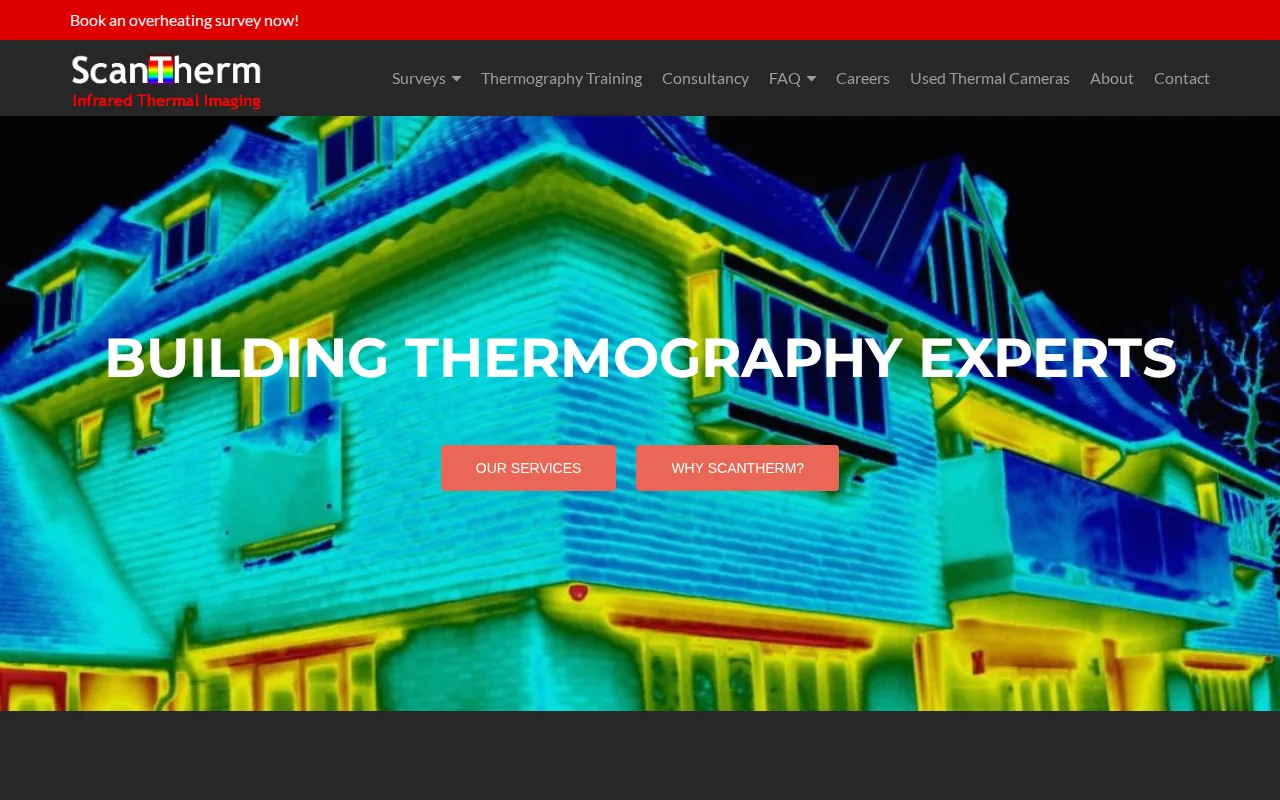
They use FLIR cameras that meet BREEAM standards, and their reports include a clear prioritisation matrix. A council used ScanTherm to identify hidden moisture in a historic school roof, preventing a potential structural failure.
Because they rely on ground‑based thermography for many sites, access to very high façades can be slower than drone‑based providers.
8. Thermography Services UK – Multi‑Sector Facade and Cladding Diagnostics
Thermography Services UK provides continuous‑monitoring thermal cameras for large commercial estates. Their automated system sends real‑time alerts when temperatures exceed preset thresholds, useful for fire‑risk monitoring on cladding.

The service is ideal for assets that need ongoing surveillance, such as shopping centres or mixed‑use developments. The early‑warning capability helped a retailer spot an overheating rooftop HVAC unit before it caused a fire alarm.
One downside is the higher upfront cost for the permanent camera network, which may not suit occasional inspection needs.
9. TI Thermal Imaging Ltd – FLIR‑Approved Inspections with BREEAM Compliance
TI Thermal Imaging delivers FLIR‑approved thermal surveys that align with BREEAM and other sustainability frameworks. Their technicians are trained to interpret thermograms for both building fabric and electrical safety.
Clients include energy‑intensive facilities that need precise hot‑spot detection. A recent industrial plant used their service to locate a faulty motor bearing, avoiding an expensive shutdown.
The service focuses on single‑visit inspections, so it lacks the longitudinal data that continuous‑monitoring providers offer.
10. Red Current Ltd – Non‑Intrusive Thermal Building Envelope Surveys
Red Current specialises in rapid, non‑intrusive thermal surveys that comply with the Electricity at Work Regulations 1989. Their portable FLIR rigs can be set up in minutes, delivering quick heat‑maps for decision‑makers.
They have worked with several NHS trusts to assess façade insulation ahead of PSDS Phase 4 funding rounds. The fast turnaround helped the trusts lock in contractor bids early.
A limitation is that they do not provide 3‑D photogrammetry, so measurements are less precise than drone‑based providers.
11. What to Look for When Commissioning a Façade Inspection
Choosing the right provider hinges on a few key criteria. Understanding how thermal imaging for buildings works in practice—including sensor specifications, data interpretation and compliance requirements—will help you ask the right questions before briefing a contractor. Below is a quick checklist you can use when you’re ready to proceed.
FAQ
What does a building façade inspection usually include?
A façade inspection typically captures high‑resolution visual images, thermal data, and a geo‑referenced map of the building envelope. The report highlights cracks, moisture, thermal bridges and any cladding defects that could affect safety or energy performance.
How often should a public‑sector estate commission a façade inspection?
Most guidelines recommend a full inspection every 3‑5 years, or sooner if you notice visual damage, plan a retrofit, or need evidence for PSDS Phase 4 funding.
Do drone‑based surveys meet UK building regulations?
Yes, when the operator holds a CAA Operational Authorisation and follows standards such as BS EN 13187 and IEC 62446. These certifications ensure the data is legally admissible for compliance reporting.
Can thermal imaging detect hidden moisture behind cladding?
Thermal imaging can reveal moisture that retains heat after sunset, showing warm patches on an otherwise cool façade. This method is widely used in roof and façade diagnostics to pinpoint water ingress.
What is the benefit of a 3‑D photogrammetry model?
A 3‑D model lets you measure crack widths, panel gaps and building geometry directly on the model, which speeds up defect tracking and integrates with BIM for future asset management.
For a dees fit into PSDS Phase 4, see our top drone façade inspection guide for commercial offices. If you need a partner that blends compliance, speed and accurate thermal data, Visual Perspectives Limited is ready to help you get the evidence you need.